 Marketing
Listmonk
High-performance, self-hosted newsletter and mailing list manager packed into a single Go binary
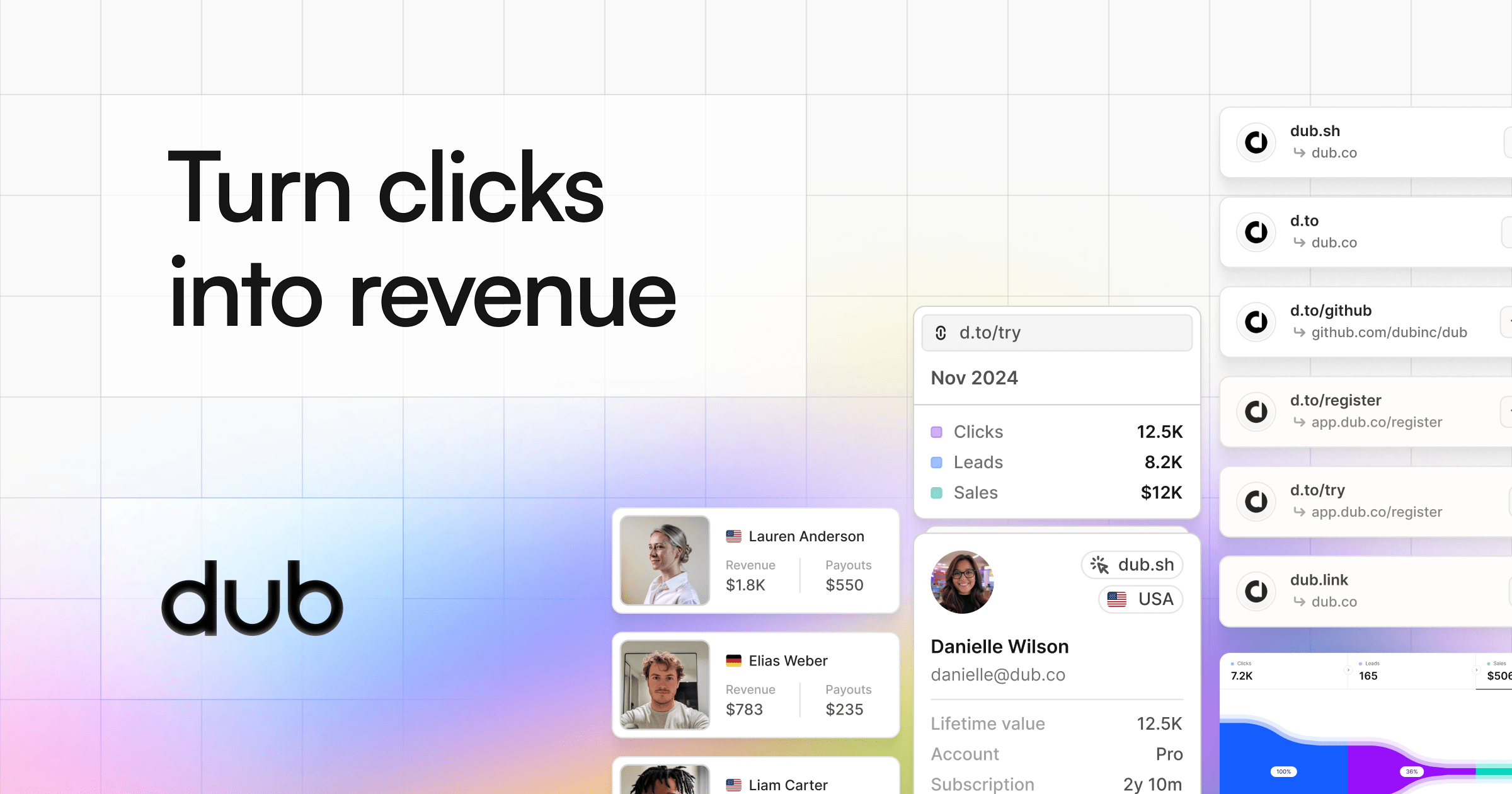
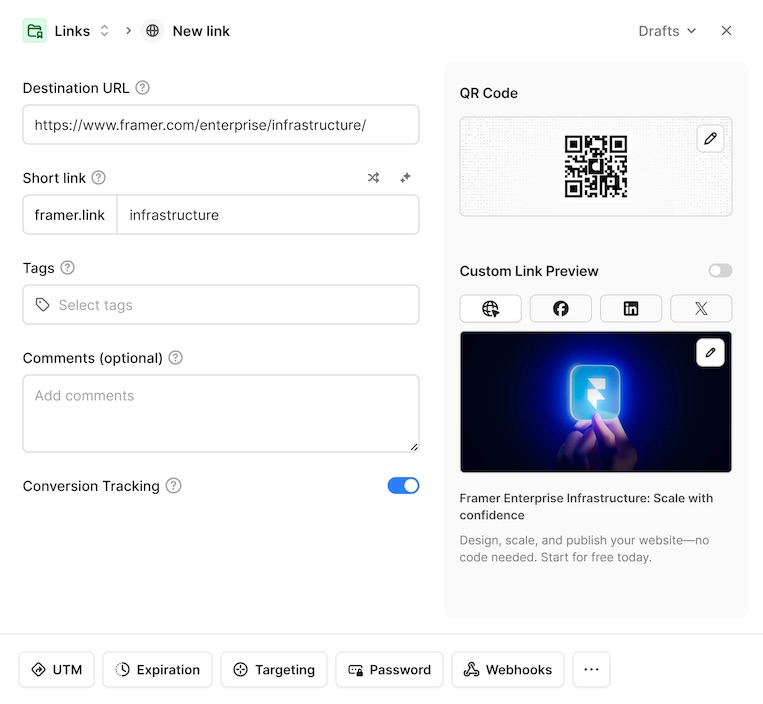
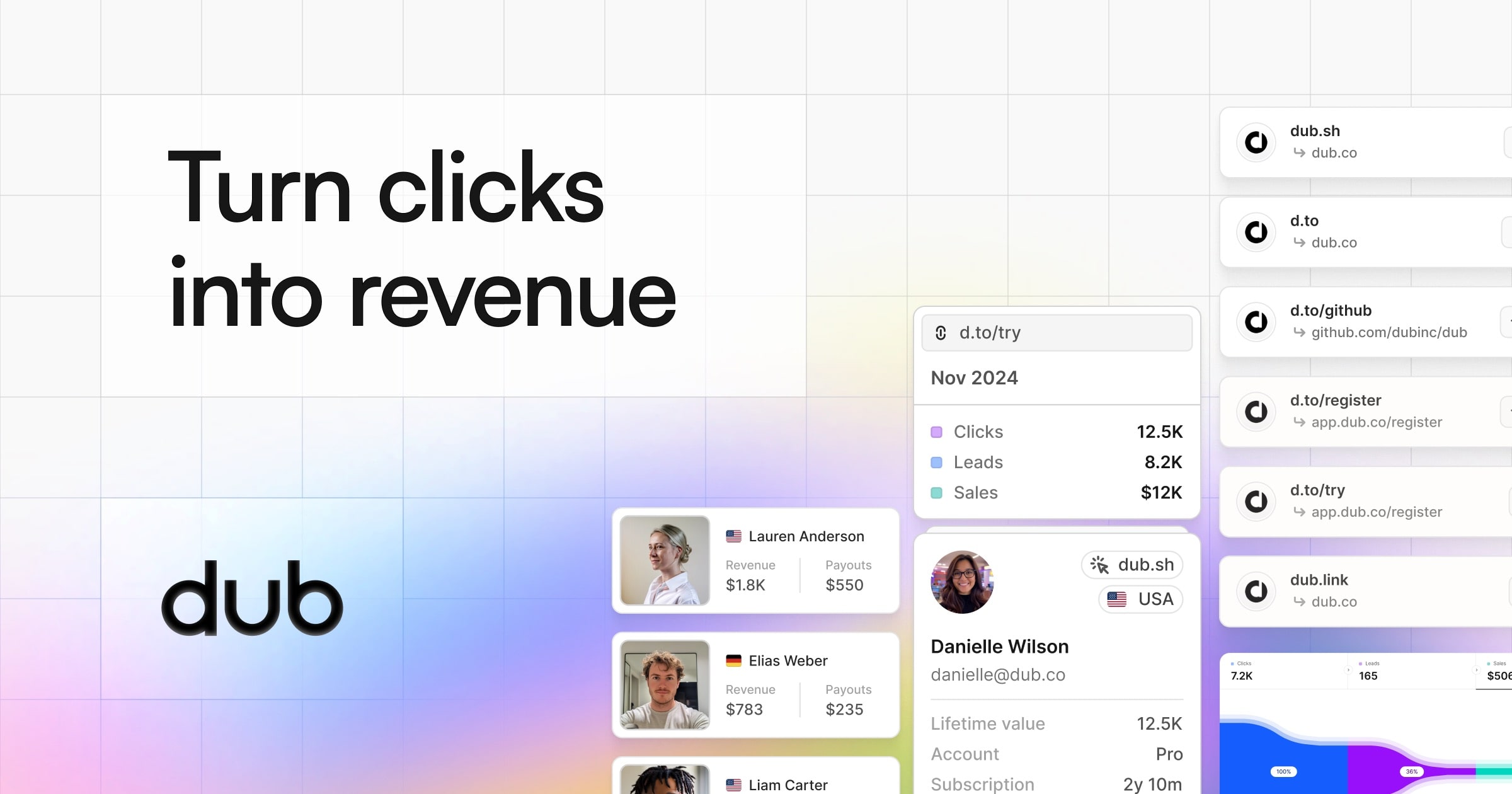
Dub is an open-source link attribution platform used by teams at Vercel, Perplexity, and Supabase to create branded short links, track conversions in real time, and manage affiliate programs — all from one dashboard. It's the modern, developer-first alternative to Bitly with 23k+ GitHub stars and a free tier to get started.
Dub is an open-source link attribution and management platform that handles short links, real-time analytics, and affiliate program infrastructure in one place. We rate it 82/100 — an excellent tool for marketers, SaaS teams, and developers who need reliable conversion tracking and affiliate management without stitching together multiple services.
Founded in by Steven Tey, Dub started as an open-source alternative to Bitly with a focus on developer-friendly APIs and real analytics. Today it has evolved into a full link attribution engine, handling hundreds of millions of clicks monthly for companies like Twilio, Perplexity, Framer, Buffer, and Vercel. The GitHub repository (dubinc/dub) has accumulated over 23,300 stars, making it one of the most popular open-source link management tools available.
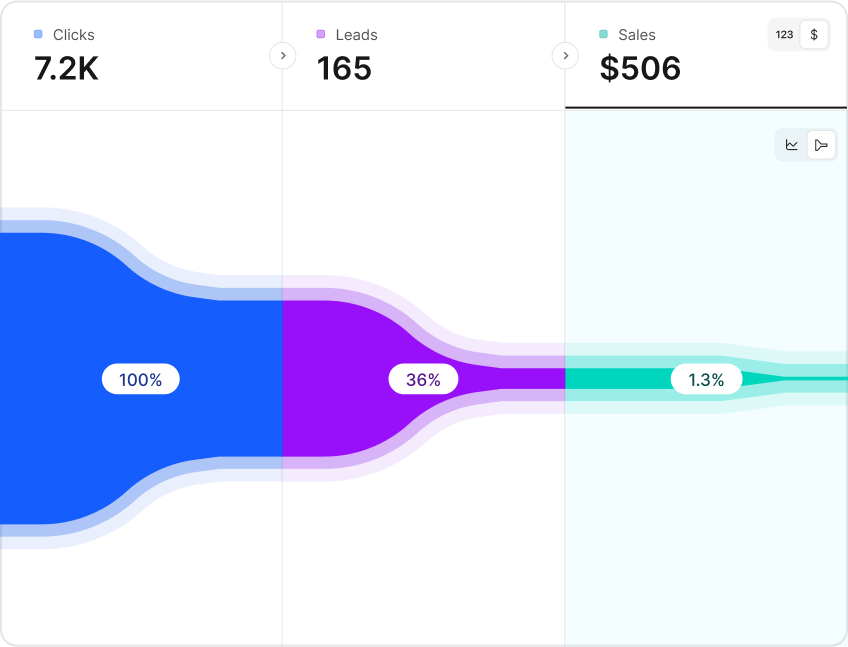
Where Bitly gives you basic click counts, Dub gives you the full customer journey — tracking from the first short-link click through to conversion and revenue attribution. This makes it particularly powerful for SaaS companies running affiliate programs or growth teams trying to prove marketing ROI.
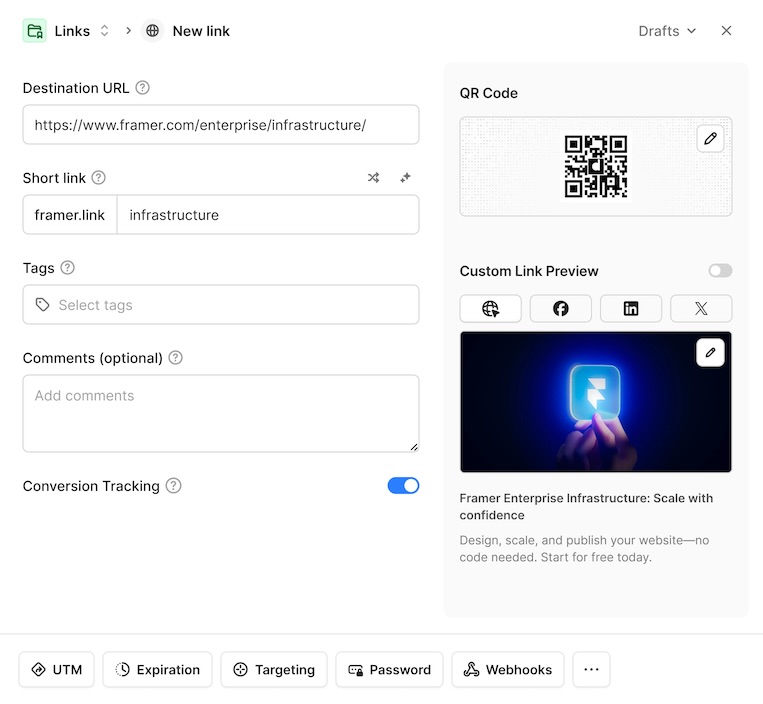
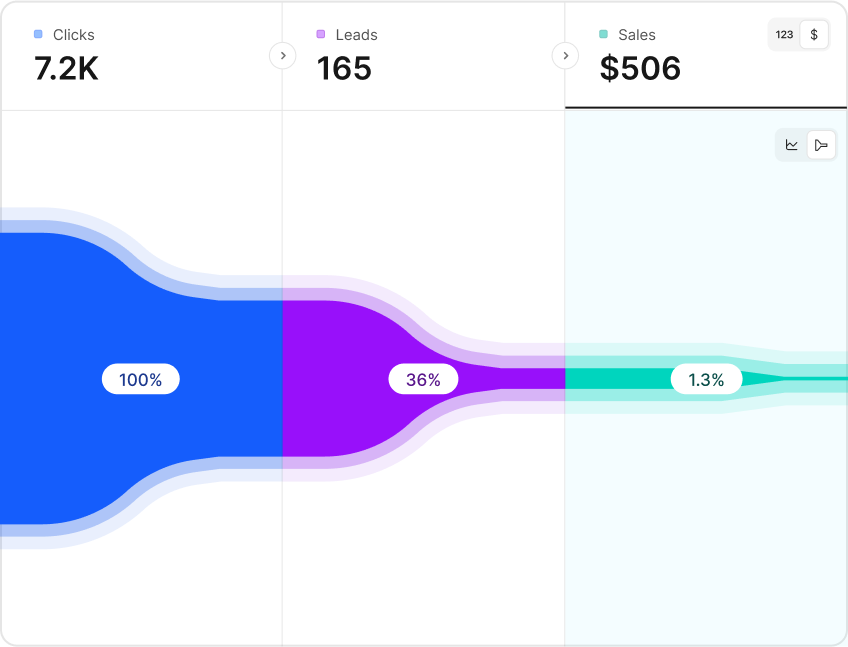
Across Product Hunt and Trustpilot, Dub consistently earns praise for its speed, modern interface, and the depth of its analytics. Multiple reviewers note it saves them hours of manual tracking weekly — one Product Hunt reviewer stated Dub saves them "at least 4 hours of work weekly." The founder, Steven Tey, is noted for personally responding to support requests, with multiple reviews mentioning fixes within hours of filing. The most common criticism is the free tier's limits: only 25 new links per month and 1,000 tracked events makes it more of a trial than a viable free plan for high-volume users. On Hacker News, the response to Dub's launch was enthusiastic, with commenters noting it fills a genuine gap between "link shorteners" and full attribution platforms, though some noted the pricing gap between the Free and Pro tiers is steep for individual developers.
Dub offers a free tier and four paid plans (prices shown at annual billing, saving 17% vs monthly):
| Plan | Price/month | Key Limits |
|---|---|---|
| Free | $0 | 25 links/mo, 1K events/mo, 1 user, 30-day retention |
| Pro | $25 | 1K links/mo, 50K events/mo, 3 users, 1-year retention, A/B testing |
| Business | $75 | 10K links/mo, 250K events/mo, 10 users, conversion tracking, Dub Partners |
| Advanced | $250 | 50K links/mo, 1M events/mo, 20 users, 5-year retention |
| Enterprise | Custom | Unlimited everything, SSO/SAML, audit logs, dedicated success manager |
Best for: SaaS companies running affiliate programs, growth marketers tracking multi-channel campaigns, developer teams that want a self-hostable Bitly alternative with a real API, and content creators who need branded short links with proper conversion attribution.
Not ideal for: Individuals or small teams who need more than 25 links per month but can't justify $25/month — the jump from Free to Pro is steep. Also, purely volume-focused use cases (millions of redirects with no analytics needed) may find cheaper commodity shorteners more cost-effective.
Pros:
Cons:
Bitly is the legacy link shortener — broader brand recognition, but limited analytics on lower tiers and no built-in affiliate management. Short.io is a direct competitor with competitive pricing and similar feature set, but less developer-friendly and no equivalent to Dub Partners. Rebrandly focuses on branded links and has a strong enterprise offering, but lacks Dub's open-source pedigree and conversion tracking depth.
Dub is one of the best-designed tools in its category. The combination of open-source transparency, full-funnel attribution, and built-in affiliate management is genuinely unique in this space. For SaaS teams and growth marketers who need more than click counts, the Business plan at $75/month pays for itself quickly. The free tier is genuinely limited — treat it as a trial, not a permanent plan. We rate Dub 82/100: highly recommended for teams that need link attribution and affiliate infrastructure; less compelling for pure link-shortening use cases where cheaper alternatives exist.
 Marketing
High-performance, self-hosted newsletter and mailing list manager packed into a single Go binary
 Marketing
The open-source publishing platform with built-in newsletters and paid memberships
 Marketing
Open-source, AI-powered social media scheduler with 20+ channel integrations and a real public API.
 Marketing
The modern, open-source link attribution platform — short links, real-time analytics, and affiliate programs in one.
ServiceNow and Accenture Launch Forward Deployed Engineering Program to Scale Agentic AI in the Enterprise (May 6, 2026)
At Knowledge 2026, ServiceNow and Accenture announced a joint forward deployed engineering program that drops co-located engineer pods into customer environments to ship agentic AI workflows natively on the ServiceNow AI Platform — with access to 300+ pre-built agent skills and the AI Control Tower as the governance backbone.
May 7, 2026
ReFiBuy Raises $13.6M Seed to Help Brands Get Recommended by AI Shopping Agents (May 5, 2026)
ReFiBuy, the Raleigh-based agentic commerce platform from ChannelAdvisor founder Scot Wingo, closed an oversubscribed $13.6M seed led by NewRoad Capital Partners on May 5, 2026 — betting that the next billion-dollar e-commerce moat is being chosen by ChatGPT, Claude and Perplexity.
May 7, 2026
OpenAI Replaces ChatGPT's Default Model With GPT-5.5 Instant — 52.5% Fewer Hallucinations, 30% Shorter Answers (May 5, 2026)
OpenAI on May 5 swapped GPT-5.3 Instant for the new GPT-5.5 Instant as ChatGPT's default model, claiming 52.5% fewer hallucinated claims on high-stakes prompts and 30% more concise answers. The model also rolls into the API as chat-latest and adds personalization from Gmail and past chats for Plus and Pro web users.
May 7, 2026
Is this product worth it?
Built With
Compare with other tools
Open Comparison Tool →