

 Productivity
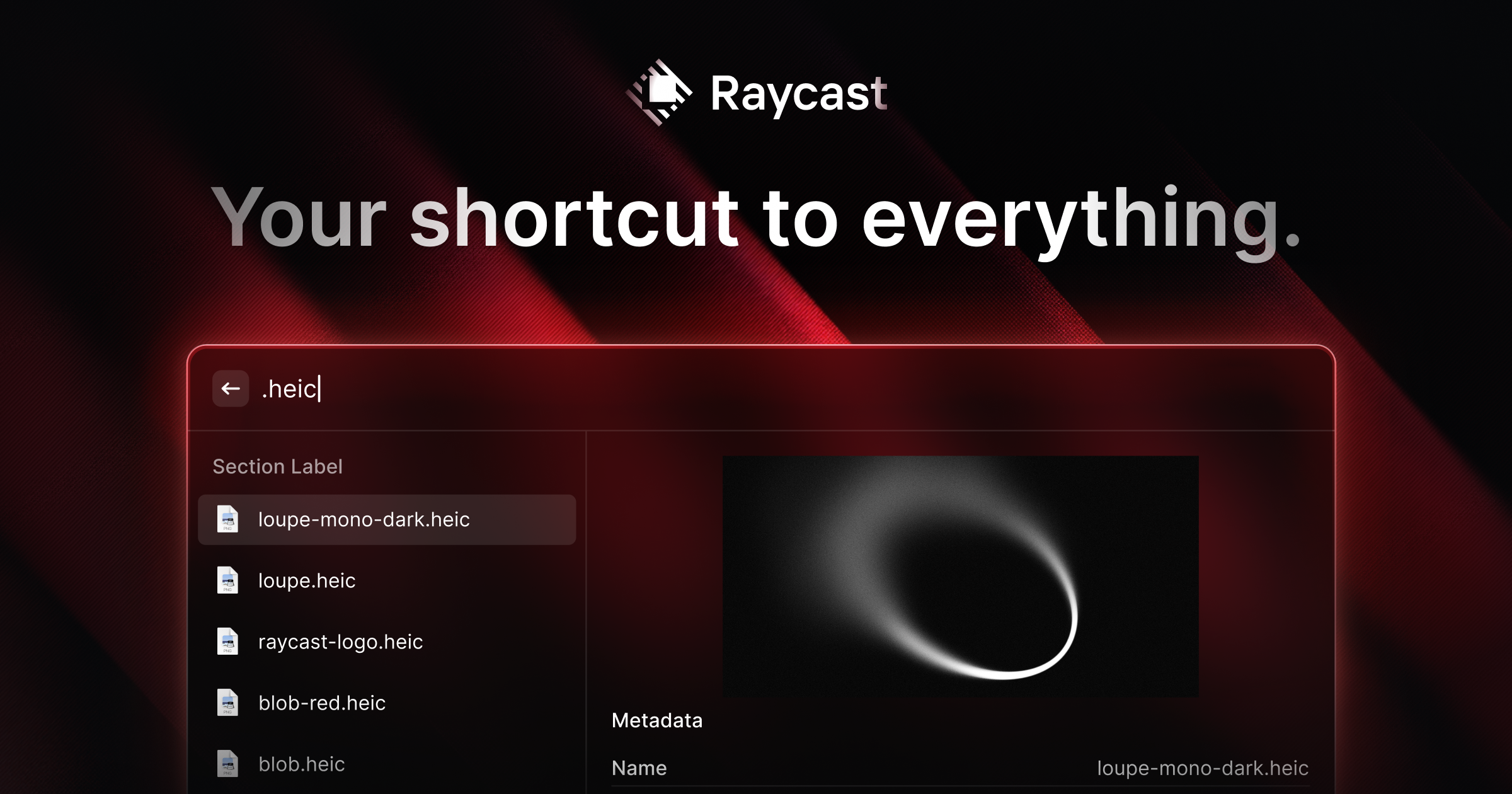
Raycast
Powerful macOS launcher and productivity platform — 7.3K GitHub stars for extensions
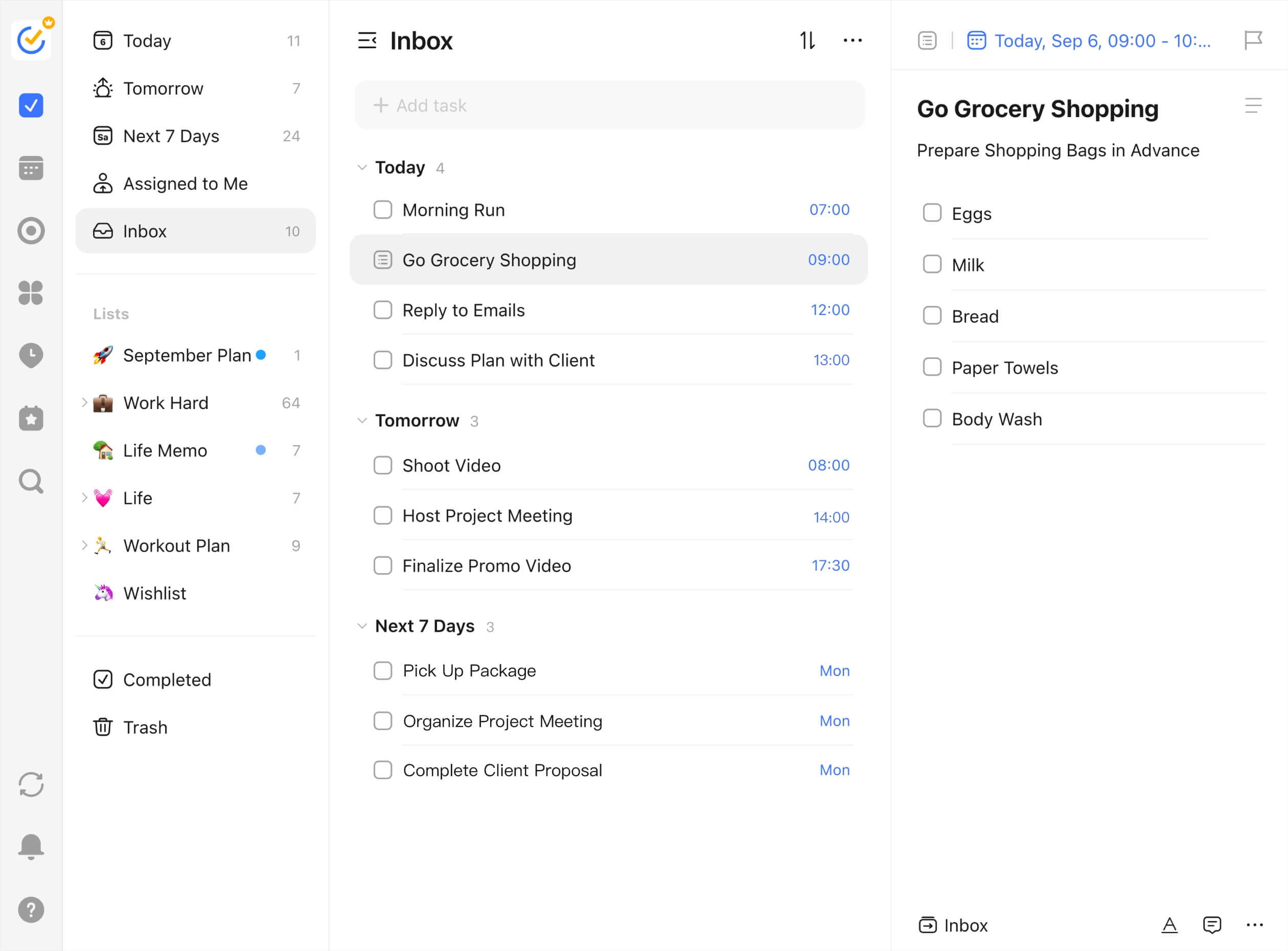
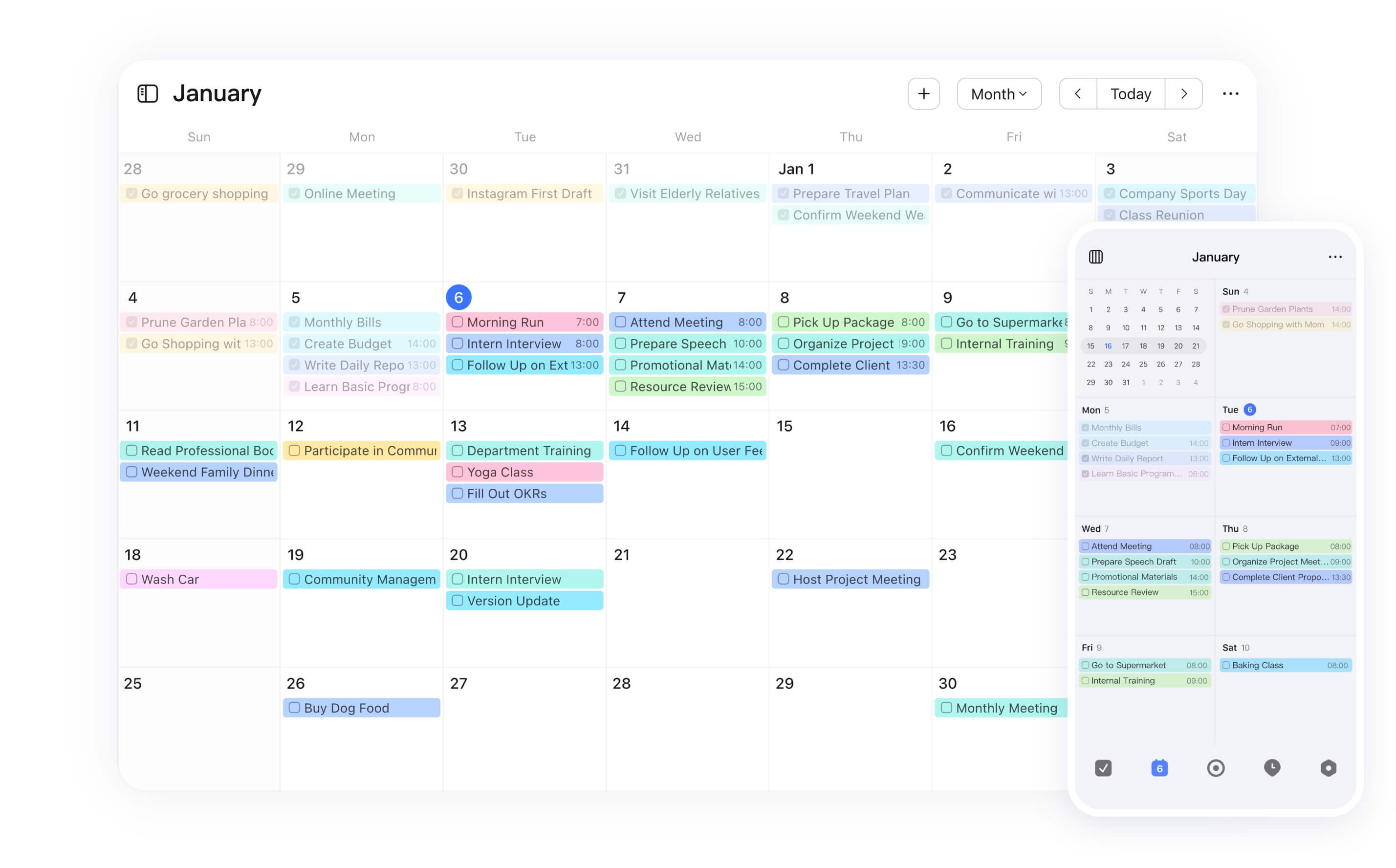
TickTick bundles a serious task manager, Pomodoro timer, habit tracker, and calendar view into one cross-platform app — and at $35.99/year, it costs about half of Todoist Pro.
TickTick is one of the most feature-dense to-do apps on the market — a serious task manager bundled with a Pomodoro timer, habit tracker, calendar view, and Eisenhower Matrix in a single $35.99/year package. We rate it 87/100 — the best-value all-in-one productivity app for individuals, students, and freelancers who want depth without paying $48+/year for Todoist or $99+ for Things.
TickTick is a cross-platform task management app developed by Appest Inc., founded by Zhimin Chen in 2012 and headquartered in Santa Clara, California. The app first launched on iOS, Android, and the web in , and shipped native macOS and Windows desktop builds in 2016. The team's previous app — GTasks, an Android client for Google Tasks — gave them a head start on sync architecture, and TickTick has grown into a tool that markets itself as serving "millions of people" across more than ten platforms including web, macOS, Windows, Linux, iOS, Android, Apple Watch, Wear OS, and browser extensions for Chrome and Firefox.
The pitch against the competition is value plus breadth. Todoist and Things charge premium prices for clean, focused task management. TickTick charges less and adds a built-in Pomodoro timer, habit tracker, calendar/agenda view, white-noise focus sounds, and an Eisenhower Matrix view — features you would otherwise need three separate apps and three separate subscriptions to assemble.


Sentiment on Reddit's r/productivity and r/getdisciplined skews strongly positive — a recurring r/productivity thread titled "What finally got you to switch from Todoist to TickTick?" has accumulated thousands of upvotes praising the bundled Pomodoro and habit tracker. The flip side, from the same threads, is feature creep: as one long-time Todoist user put it, TickTick has "too many features that were just distracting side quests." On Trustpilot, customer-service responses are generally praised, but a small subset of users report sync hiccups when toggling between mobile and desktop with poor connectivity. The Apple App Store rating sits above 4.7 stars across more than a million ratings, and Capterra reviewers consistently call out value-for-money as the standout reason they switched.
| Plan | Price | Key Limits |
|---|---|---|
| Free | $0 | 9 lists, 99 tasks/list, 19 subtasks/task, 2 reminders/task, 1 collaborator/list |
| Premium (annual) | $35.99/year ($2.99/month) | 299 lists, 999 tasks/list, 199 subtasks, calendar view, custom smart lists, premium themes, unlimited reminders, premium Pomo sounds |
| Premium (monthly) | $3.99/month | Same as annual, billed monthly |
For context, Todoist Pro runs $48/year, Things 3 is a $79.98 one-time purchase across iPhone + Mac, and a dedicated habit tracker like Streaks is $4.99 on top of that. TickTick's annual Premium tier replaces that whole stack at less than half the cost.
Best for: Solo professionals, students, freelancers, and small teams who want one app for tasks, focus sessions, habits, and calendar — and who don't want to assemble (and pay for) three separate productivity tools. Particularly strong fit for anyone who lives across iOS + Android + a desktop OS and needs reliable sync everywhere.
Not ideal for: Teams that need full-fat project management with dependencies, workload balancing, and time tracking — Asana, ClickUp, or Linear do that better. Also not the right pick if you specifically want minimalist, opinionated software (Things, OmniFocus) — TickTick's strength is breadth, which inevitably means more knobs and panels to ignore.
Pros:
Cons:
Todoist is the polished, opinionated default — pick it if you want a cleaner UI and don't need a Pomodoro/habits combo. Things 3 is the gold-standard Apple-only experience and a one-time purchase, but no Android, no Windows, no Linux. Notion works as a task manager if you already live in Notion, but lacks reminders parity with TickTick. Linear is a far better fit for engineering teams.
Yes — TickTick is the strongest all-in-one productivity app for individuals in 2026 and the best value in the category. The free tier is generous enough for casual users (it can run a full GTD setup if you stay under nine lists), and the $35.99/year Premium tier is the cheapest practical way to get a serious task manager with bundled Pomodoro and habit tracking. The reason you might still pick something else is taste: if you find feature density distracting, Things 3 or a minimalist Todoist setup will be calmer. But if you want the most capability per dollar, TickTick is the easy recommendation.
ProductivityPowerful macOS launcher and productivity platform — 7.3K GitHub stars for extensions
 Productivity
Local-first, Markdown-native note-taking with a graph view and 2,000+ community plugins
 Productivity
Open-source AirDrop alternative for any device — 80k GitHub stars, end-to-end encrypted, zero internet required.
 Productivity
Self-hosted document management with OCR, auto-tagging and full-text search in 100+ languages
ServiceNow and Accenture Launch Forward Deployed Engineering Program to Scale Agentic AI in the Enterprise (May 6, 2026)
At Knowledge 2026, ServiceNow and Accenture announced a joint forward deployed engineering program that drops co-located engineer pods into customer environments to ship agentic AI workflows natively on the ServiceNow AI Platform — with access to 300+ pre-built agent skills and the AI Control Tower as the governance backbone.
May 7, 2026
ReFiBuy Raises $13.6M Seed to Help Brands Get Recommended by AI Shopping Agents (May 5, 2026)
ReFiBuy, the Raleigh-based agentic commerce platform from ChannelAdvisor founder Scot Wingo, closed an oversubscribed $13.6M seed led by NewRoad Capital Partners on May 5, 2026 — betting that the next billion-dollar e-commerce moat is being chosen by ChatGPT, Claude and Perplexity.
May 7, 2026
OpenAI Replaces ChatGPT's Default Model With GPT-5.5 Instant — 52.5% Fewer Hallucinations, 30% Shorter Answers (May 5, 2026)
OpenAI on May 5 swapped GPT-5.3 Instant for the new GPT-5.5 Instant as ChatGPT's default model, claiming 52.5% fewer hallucinated claims on high-stakes prompts and 30% more concise answers. The model also rolls into the API as chat-latest and adds personalization from Gmail and past chats for Plus and Pro web users.
May 7, 2026
Is this product worth it?
Built With
Compare with other tools
Open Comparison Tool →