 Hosting & Infrastructure
Pi-hole
Network-wide ad blocker and DNS sinkhole — kills ads on every device on your network without any client software
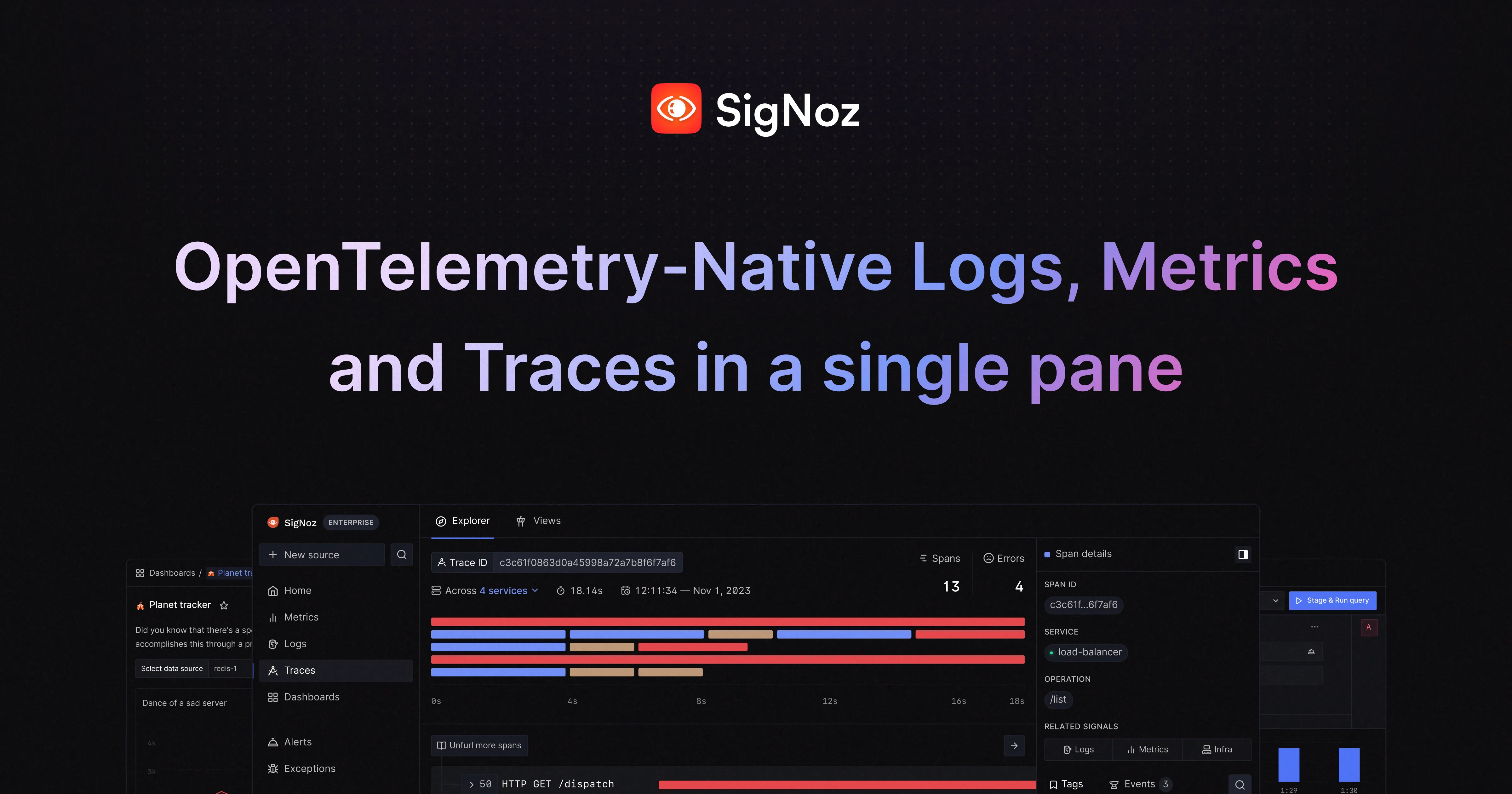
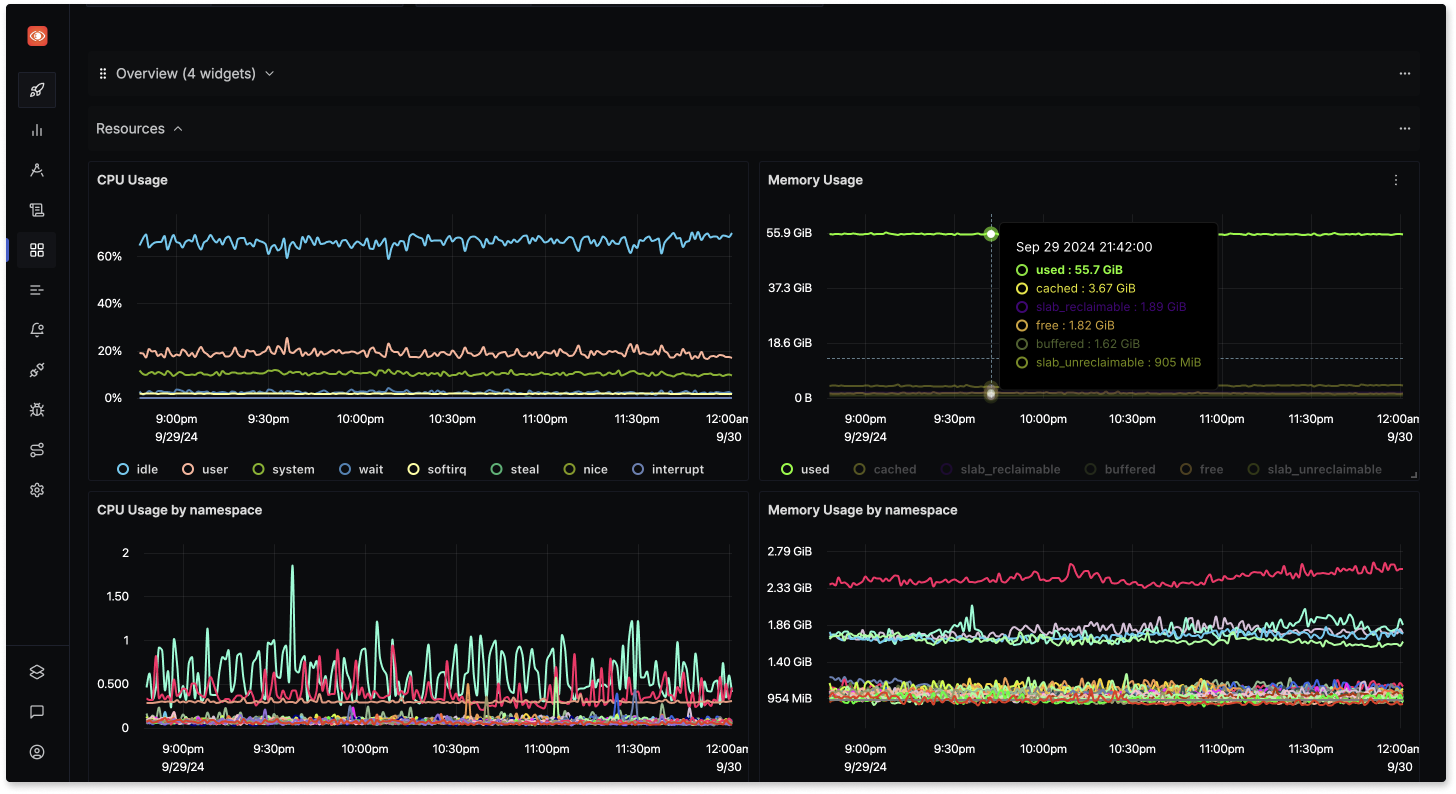
SigNoz is an open-source observability platform built natively on OpenTelemetry that unifies logs, metrics, and traces in a single tool. We rate it 87/100 — the strongest Datadog alternative for teams that want full data control without paying SaaS APM prices.
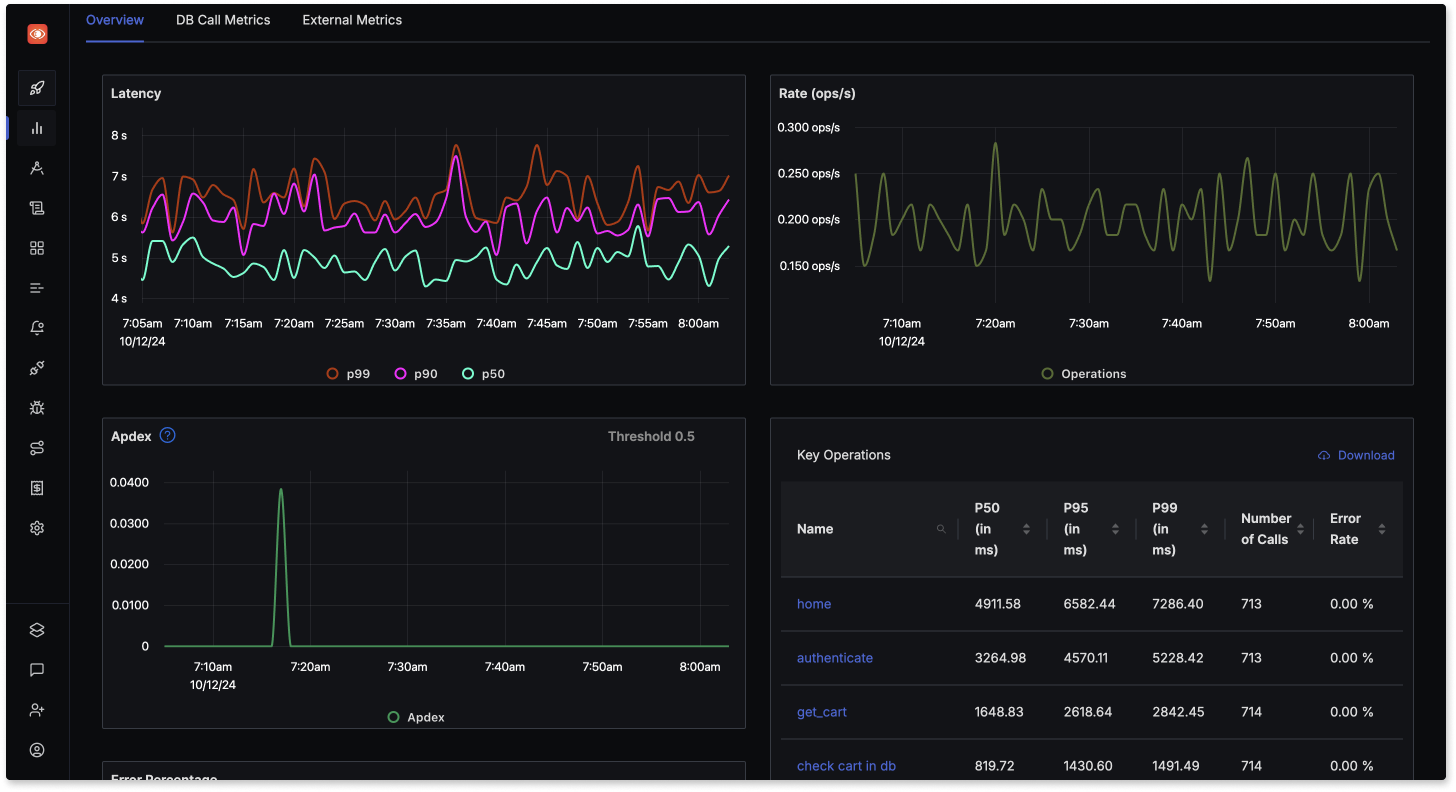
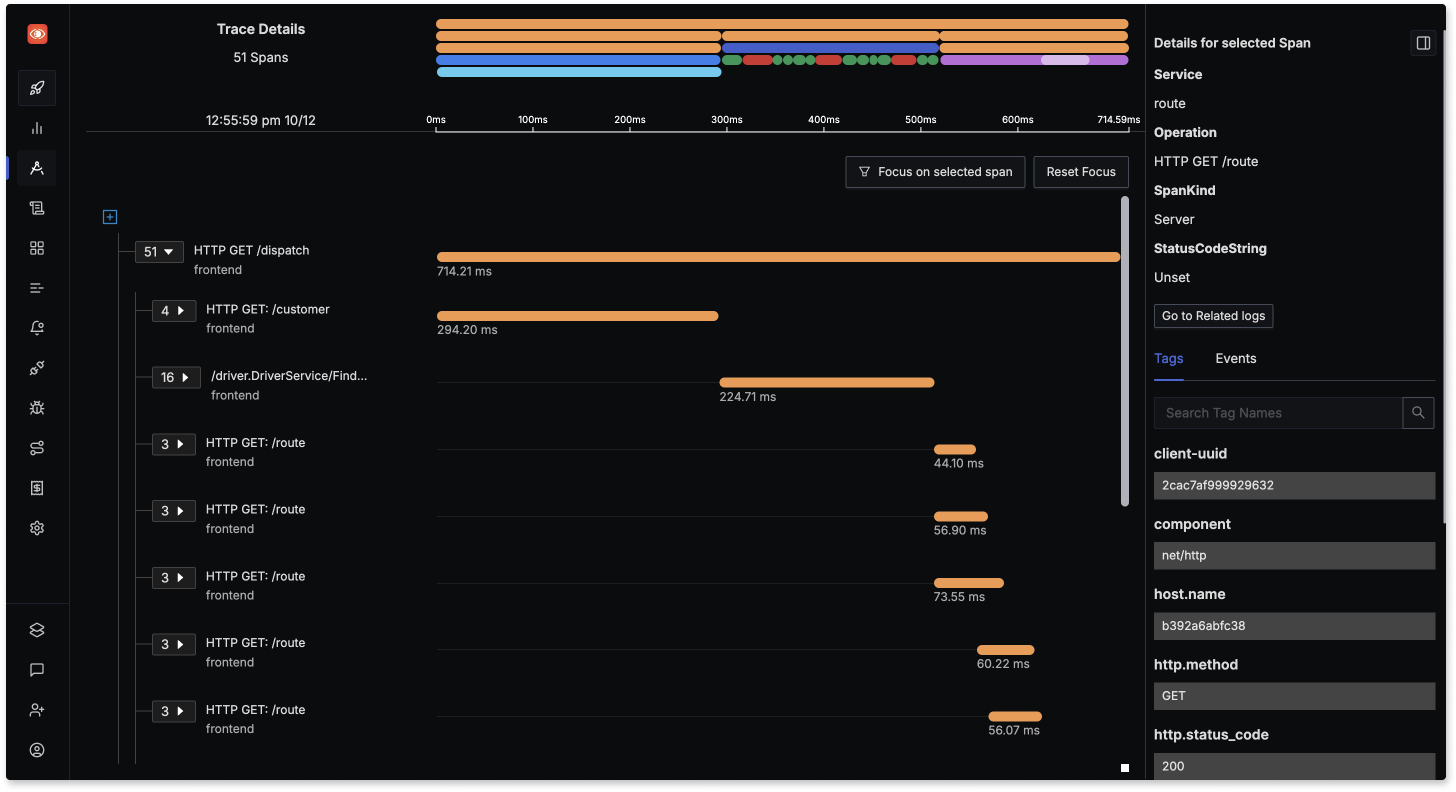
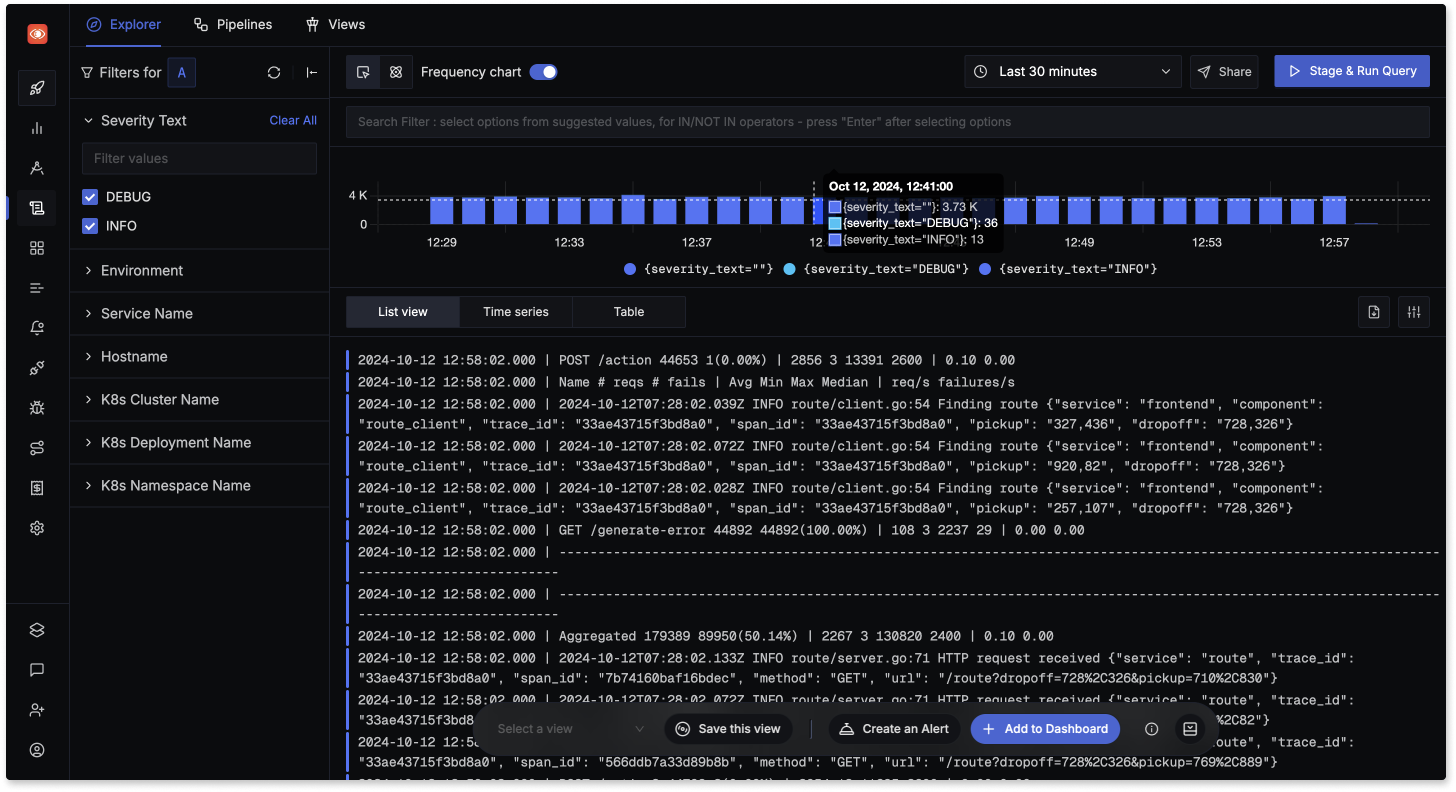
SigNoz is an open-source, OpenTelemetry-native observability platform that puts logs, metrics, traces, exceptions and alerts behind a single UI. We rate it 87/100 — it is the most credible self-hostable alternative to Datadog and New Relic in 2026, and the obvious pick for teams that have already standardized on OpenTelemetry.
SigNoz was founded by Pranay Prateek and Ankit Nayan in 2020, went through Y Combinator's W21 batch, and raised a $6.5M seed round led by SignalFire. The project is open-source under an Apache 2.0–style license, has crossed 22,000+ GitHub stars on github.com/SigNoz/signoz, and ships both as a self-hosted Docker stack and as a fully managed cloud at signoz.io.
The pitch is direct: most APM vendors charge per host, per user, per custom metric and per log GB, and the bill compounds. SigNoz collapses traces, metrics and logs into one tool, stores them in ClickHouse — the same column store used by Uber and Cloudflare — and lets you keep the data on your own infrastructure for free.
opentelemetry SDK and point the OTLP exporter at SigNoz, which means zero vendor lock-in.The community sentiment is genuinely warm but not uncritical. On Reddit's r/devops and r/selfhosted, the most-upvoted threads praise the OTel-first design and the cost savings — multiple teams report 60–70% reductions versus Datadog after migrating, and one widely-shared blog post documents a 500-microservice deployment that cut its observability bill by 70% on SigNoz 1.0. Product Hunt launches drew 800+ upvotes and consistent comments about how quickly the docker-compose stack gets you to a working dashboard.
The complaints are also consistent. The most common pain point is operational: self-hosting SigNoz means self-hosting ClickHouse, and on GitHub there are recurring issues about ClickHouse memory pressure, the bundled cluster topology forcing Zookeeper, and otel-collector start-order races on reboot. The UI is described as functional but "clunky" compared to Datadog, and SSO and advanced RBAC are gated to the Enterprise tier.
SigNoz is unusual in that the self-hosted Community edition is genuinely the full product — not a stripped-down loss leader. Cloud pricing is usage-based with no per-seat and no per-host fees, which is the opposite of Datadog's model.
| Plan | Price | Key Limits |
|---|---|---|
| Community (self-hosted) | $0 | Unlimited hosts, users, retention. You operate ClickHouse and the collector yourself. |
| Cloud Teams | From $49/month | $49 base includes ingestion. Then $0.30/GB logs & traces, $0.10 per million metric samples at 1-month retention. Unlimited users and hosts. |
| Enterprise | From $4,000/month | SSO/SAML, advanced RBAC, audit logs, dedicated support, regional data residency. |
Best for: platform and SRE teams that have already adopted OpenTelemetry, startups and mid-market companies looking to escape Datadog or New Relic bills, and any team that needs to keep telemetry inside its own VPC for compliance or cost reasons.
Not ideal for: very small teams without the appetite to operate ClickHouse (use Cloud instead), or large enterprises that need extremely deep integration catalogs, mature RUM/synthetics, and turnkey SSO/audit out of the box on day one.
Pros:
Cons:
If you want a fully managed, batteries-included experience and budget is not the constraint, Datadog remains the benchmark. If you prefer to assemble your own stack from open-source pieces, the classic combination is Grafana + Prometheus + Loki + Tempo. For a newer storage-optimized open-source option focused on logs, OpenObserve is worth comparing. Among self-hostable APMs, SigNoz is the closest single-product analog to Datadog APM.
Yes — for the right team. SigNoz is the rare open-source project that has matched commercial APM functionality on the parts that matter most (traces, metrics, logs, alerts, exceptions) while staying fully OpenTelemetry-native and giving you the option of either zero-cost self-hosting or honest usage-based cloud pricing. The operational cost of running ClickHouse is real and is the main reason it scores 87 instead of higher. If your team can absorb that, or if you're happy to use the $49 Cloud tier, SigNoz delivers materially better economics than Datadog without compromising on the core observability workflow.
Hosting & InfrastructureNetwork-wide ad blocker and DNS sinkhole — kills ads on every device on your network without any client software
 Hosting & Infrastructure
The open-source Go web server with automatic HTTPS by default — no Certbot, no cron, no excuses.
 Hosting & Infrastructure
The free software media system — a 100% open-source, ad-free, self-hosted alternative to Plex and Emby.
 Hosting & Infrastructure
A fancy self-hosted monitoring tool with 86k GitHub stars, 13 monitor types and 90+ alert integrations.
ServiceNow and Accenture Launch Forward Deployed Engineering Program to Scale Agentic AI in the Enterprise (May 6, 2026)
At Knowledge 2026, ServiceNow and Accenture announced a joint forward deployed engineering program that drops co-located engineer pods into customer environments to ship agentic AI workflows natively on the ServiceNow AI Platform — with access to 300+ pre-built agent skills and the AI Control Tower as the governance backbone.
May 7, 2026
ReFiBuy Raises $13.6M Seed to Help Brands Get Recommended by AI Shopping Agents (May 5, 2026)
ReFiBuy, the Raleigh-based agentic commerce platform from ChannelAdvisor founder Scot Wingo, closed an oversubscribed $13.6M seed led by NewRoad Capital Partners on May 5, 2026 — betting that the next billion-dollar e-commerce moat is being chosen by ChatGPT, Claude and Perplexity.
May 7, 2026
OpenAI Replaces ChatGPT's Default Model With GPT-5.5 Instant — 52.5% Fewer Hallucinations, 30% Shorter Answers (May 5, 2026)
OpenAI on May 5 swapped GPT-5.3 Instant for the new GPT-5.5 Instant as ChatGPT's default model, claiming 52.5% fewer hallucinated claims on high-stakes prompts and 30% more concise answers. The model also rolls into the API as chat-latest and adds personalization from Gmail and past chats for Plus and Pro web users.
May 7, 2026
Is this product worth it?
Built With
Compare with other tools
Open Comparison Tool →