
 Developer Tools
Unkey
Open-source API key management and rate limiting platform for modern developers
Resend is a developer-first email API that lets you send transactional and marketing emails using clean REST APIs and React components. Founded by Zeno Rocha in 2023 (YC W23), it offers a 400,000-user platform that makes email integration genuinely fast — most devs are live in under 10 minutes.
Resend is a developer-first email API platform built by Zeno Rocha and his team at Y Combinator's Winter 2023 batch. We rate it 85/100 — an excellent choice for developers who want a clean, modern email API without the complexity of legacy providers like SendGrid or Mailgun.
Resend launched publicly in August 2023 with one clear ambition: be the Stripe of email. Zeno Rocha, previously a developer advocate at Cloudflare and GitHub, founded Resend after repeatedly struggling with legacy email APIs that were built for another era. The platform has since grown to over 400,000 users and is backed by Y Combinator.
Unlike legacy providers, Resend was built specifically for modern JavaScript and TypeScript stacks. Its killer feature is tight integration with React Email — an open source library (18.3k GitHub stars) that lets you write email templates as React components instead of wrestling with HTML tables and inline styles. This alone makes Resend uniquely compelling for teams already using Next.js, Remix, or any React-based stack.
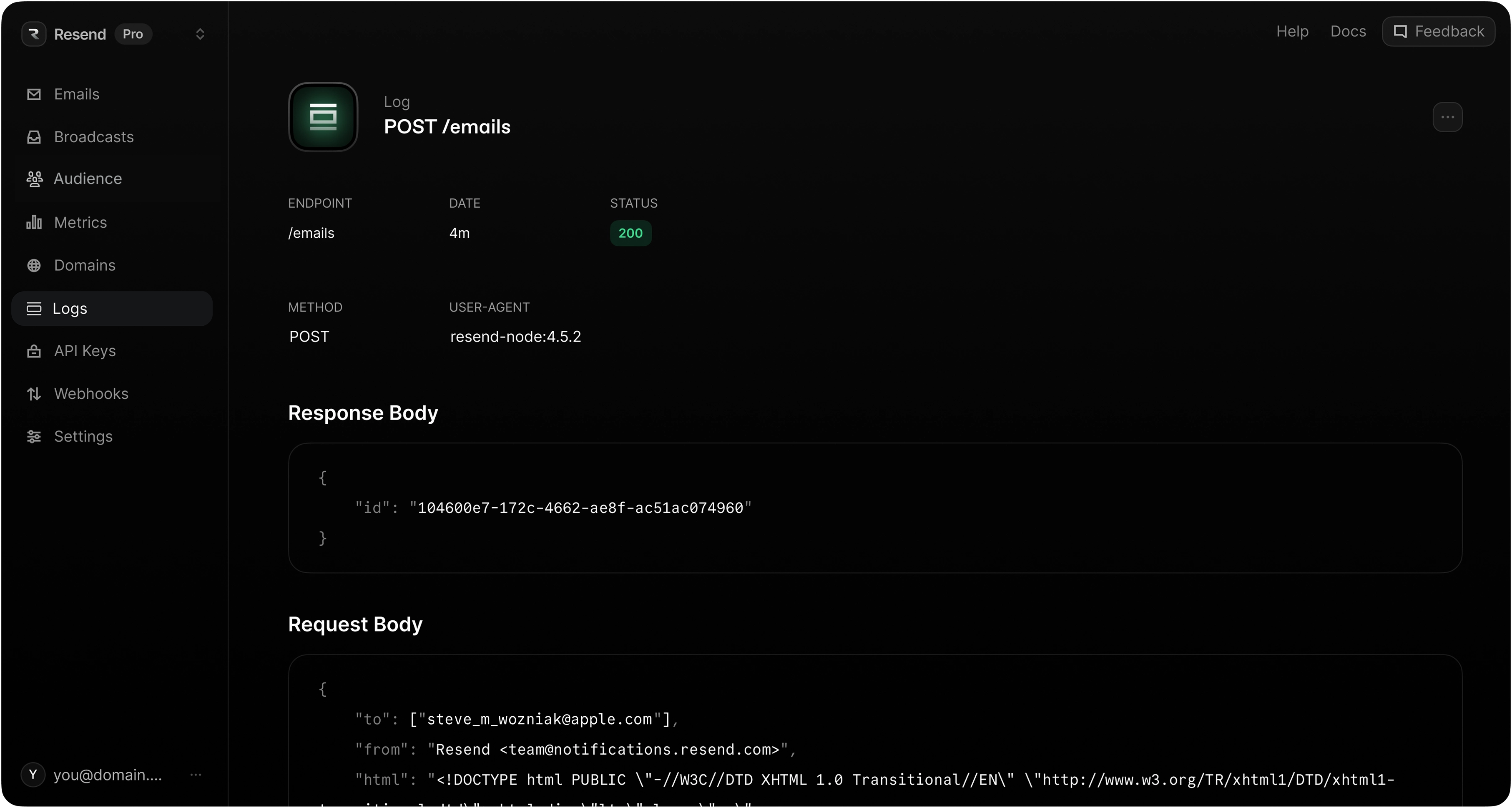
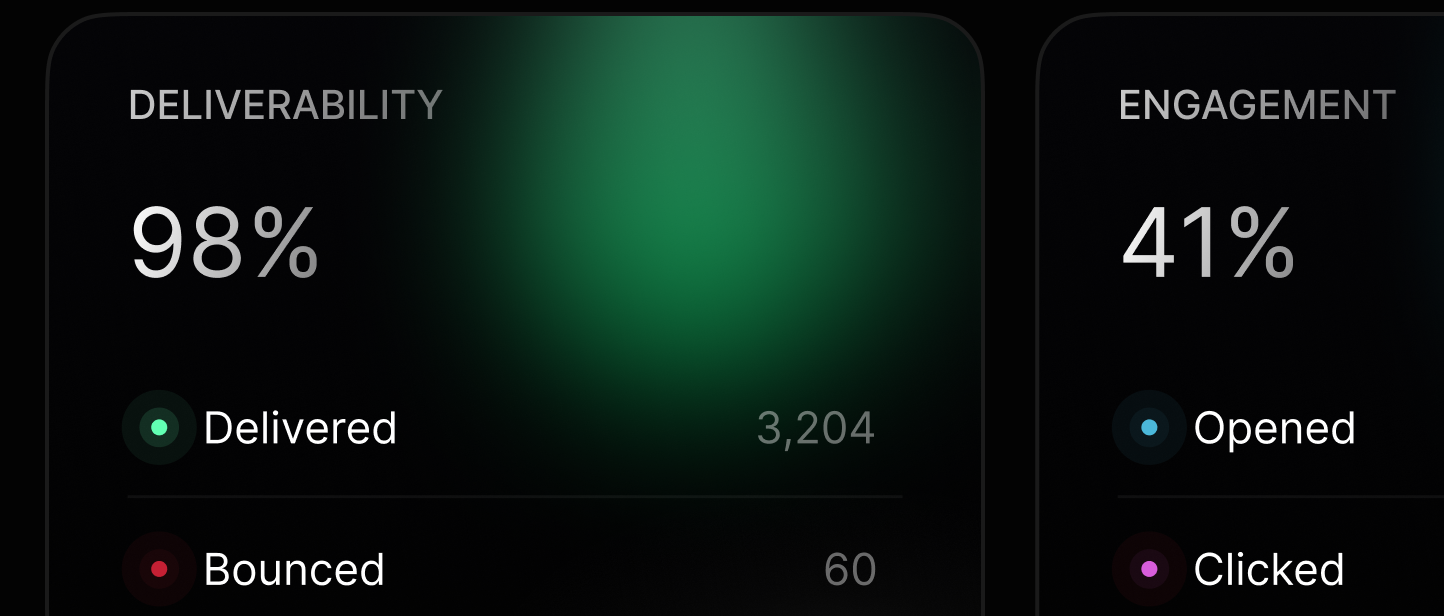
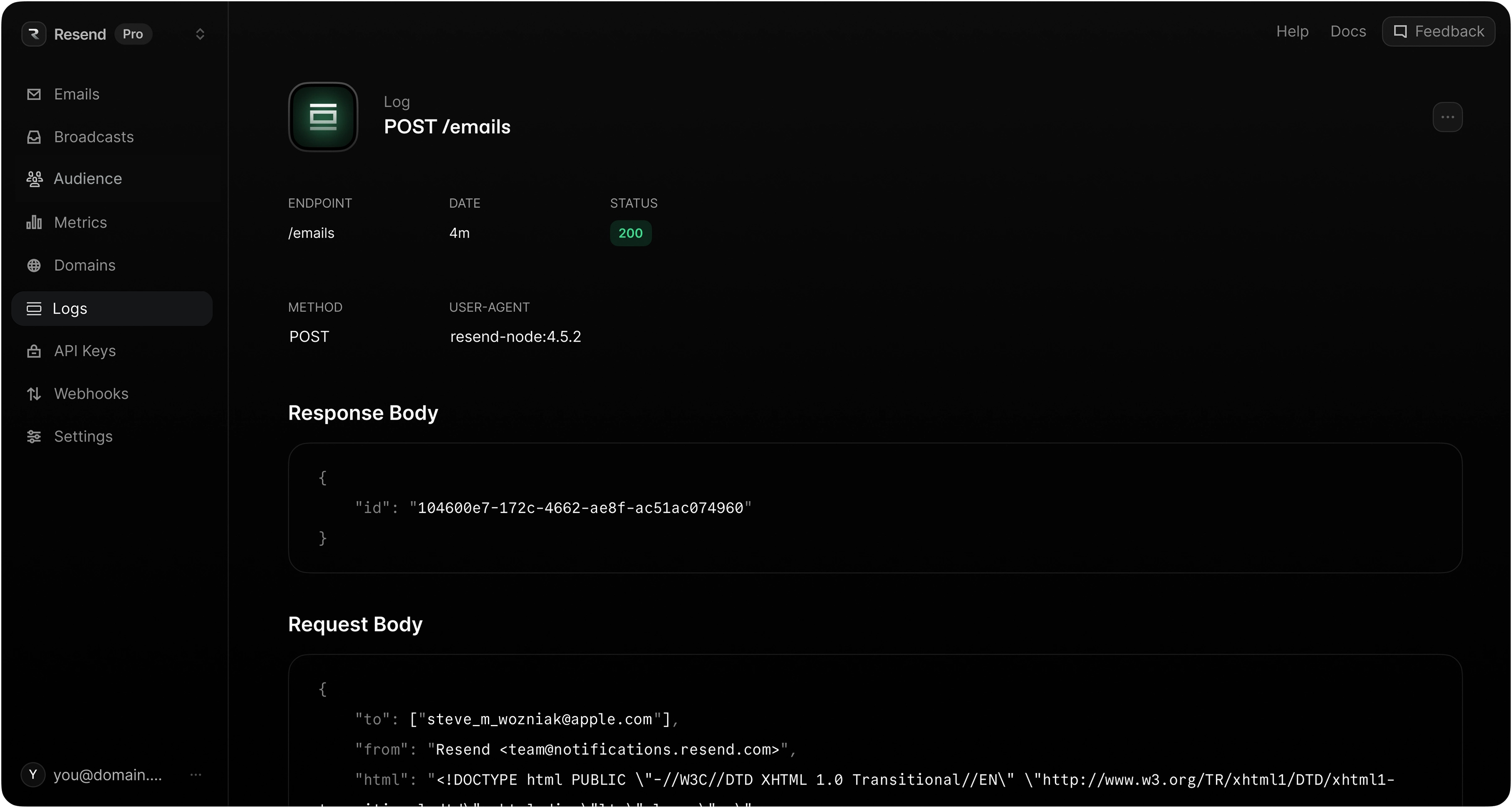
On Product Hunt, Resend holds a 4.9/5 rating across 184 reviews — one of the highest in the email API category. Users consistently praise the setup speed ("most developers live in under 10 minutes"), the clarity of the documentation, and the quality of the logs dashboard. One reviewer called it "the developer experience gap that is too large to ignore" compared to SendGrid.
That said, Reddit threads are more candid. The most common complaint: email delivery can lag under load, with some users reporting confirmation emails taking over a minute to arrive during peak periods. A few developers on r/webdev have also noted that the free tier's 100 emails/day limit becomes a constraint faster than expected for startups running any kind of welcome email sequence. These are known rough edges, and Resend's team is active in acknowledging them.
Resend uses a straightforward volume-based model with no annual discount — monthly billing only.
| Plan | Price | Monthly Emails | Custom Domains |
|---|---|---|---|
| Free | $0/month | 3,000 (100/day limit) | 1 |
| Pro | $20/month | 50,000 | 10 |
| Scale | $90/month | 100,000 | 1,000 |
| Enterprise | Custom | Custom | Flexible |
Overages on Pro and Scale are billed at $0.90 per 1,000 additional emails. A dedicated IP is available as a $30/month add-on for Scale customers sending over 500 emails/day.

Best for: Indie hackers, startups, and engineering teams building on modern JavaScript stacks. Especially strong if you're using Next.js, Remix, or any React-based framework — the React Email integration is a genuine competitive advantage. Also a great fit for teams that want to send transactional email without spending weeks on deliverability configuration.
Not ideal for: High-volume senders who need more than 100,000 emails/month at a predictable price (the overage model gets expensive fast). Teams who need phone or live chat support — Resend is ticket-only on Free and Pro plans. Legacy stacks in PHP or Java will work fine technically, but won't get the full benefit of the React-native workflow.
Pros:
Cons:
SendGrid — The incumbent. More powerful for high-volume enterprise use, but notoriously complex to set up and developer-hostile compared to Resend. Postmark — Excellent deliverability reputation, strong for transactional email, but no marketing email and no React integration. AWS SES — Cheapest at scale ($0.10 per 1,000 emails) but requires significant DevOps overhead — no SDK, no dashboard, no deliverability help out of the box.
For any developer building on a modern JavaScript or TypeScript stack, Resend is the clearest first choice in 2026. The React Email integration, the 9-language SDK coverage, and the genuinely excellent developer experience set it apart from every alternative. The free tier is enough to validate and launch, and the $20/month Pro plan covers most early-stage products comfortably. We dock 15 points for the delivery latency reports and the restrictive daily free limit. Rating: 85/100.
ServiceNow and Accenture Launch Forward Deployed Engineering Program to Scale Agentic AI in the Enterprise (May 6, 2026)
At Knowledge 2026, ServiceNow and Accenture announced a joint forward deployed engineering program that drops co-located engineer pods into customer environments to ship agentic AI workflows natively on the ServiceNow AI Platform — with access to 300+ pre-built agent skills and the AI Control Tower as the governance backbone.
May 7, 2026
ReFiBuy Raises $13.6M Seed to Help Brands Get Recommended by AI Shopping Agents (May 5, 2026)
ReFiBuy, the Raleigh-based agentic commerce platform from ChannelAdvisor founder Scot Wingo, closed an oversubscribed $13.6M seed led by NewRoad Capital Partners on May 5, 2026 — betting that the next billion-dollar e-commerce moat is being chosen by ChatGPT, Claude and Perplexity.
May 7, 2026
OpenAI Replaces ChatGPT's Default Model With GPT-5.5 Instant — 52.5% Fewer Hallucinations, 30% Shorter Answers (May 5, 2026)
OpenAI on May 5 swapped GPT-5.3 Instant for the new GPT-5.5 Instant as ChatGPT's default model, claiming 52.5% fewer hallucinated claims on high-stakes prompts and 30% more concise answers. The model also rolls into the API as chat-latest and adds personalization from Gmail and past chats for Plus and Pro web users.
May 7, 2026
Is this product worth it?
Built With
Compare with other tools


