
 Hosting & Infrastructure
Pi-hole
Network-wide ad blocker and DNS sinkhole — kills ads on every device on your network without any client software
Render is the modern, developer-first cloud platform that replaces Heroku — web services, workers, cron jobs and managed databases on one dashboard. We rate it 87/100.
Render is a unified cloud platform built by ex-Stripe risk lead Anurag Goel that gives you Heroku’s push-to-deploy workflow with private networking, declarative IaC, free SSL, and pricing that’s typically 30–50% cheaper. We rate it 87/100 — the strongest Heroku replacement for indie hackers, small teams and most mid-market SaaS workloads in 2026.
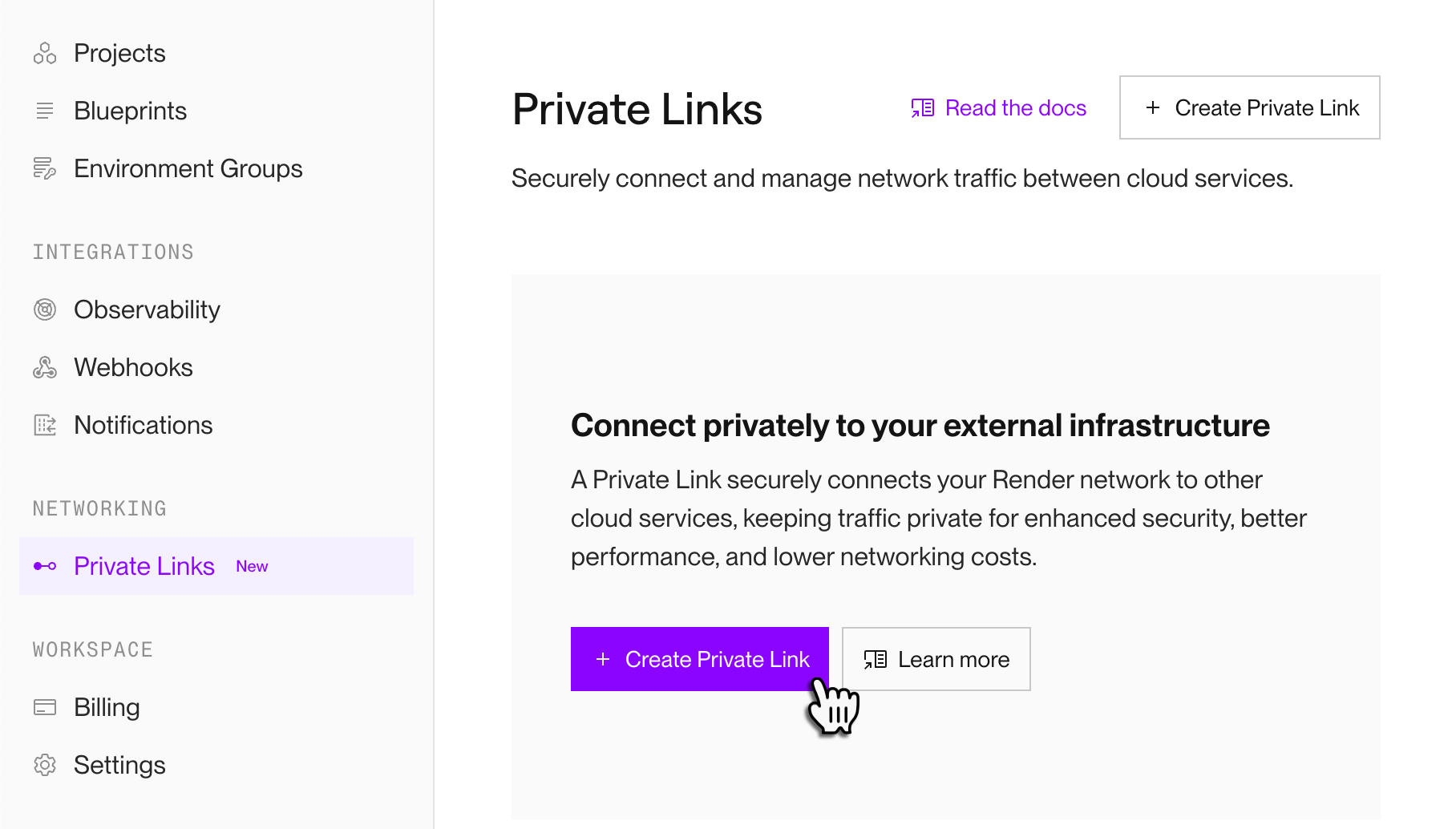
Render is a managed PaaS founded by Anurag Goel in 2018 (publicly launched ) and headquartered in San Francisco. The company has raised over $157M across Seed through Series C, with Series C (June 2024) led by Georgian Partners; reported customers include Mux, Cypress, Coda, Verkada, OneSignal and Anthropic-adjacent startups. The dashboard at dashboard.render.com covers web services, background workers, cron jobs, static sites, managed Postgres, managed Redis (Key Value), and infrastructure-as-code Blueprints in a single Git-connected control plane.
What makes Render different from Heroku is the architecture and the math. Heroku still runs on bespoke single-tenant dynos with fixed 1× / 2× / Performance pricing; Render runs on Kubernetes-backed compute with per-second billing, and customers routinely report cutting their Heroku bill in half after migrating — especially once you factor Heroku’s separate $50–$150/mo Postgres tiers vs. Render’s $7/mo Starter Postgres. Free SSL, DDoS protection via Cloudflare, and IPv6 are included on every plan.
render.yaml in your repo declares every service, env var, autoscaling rule, cron schedule and database. Blueprints are diff-aware: changing the file produces a preview of resources to add, modify or remove before you apply, similar to Terraform.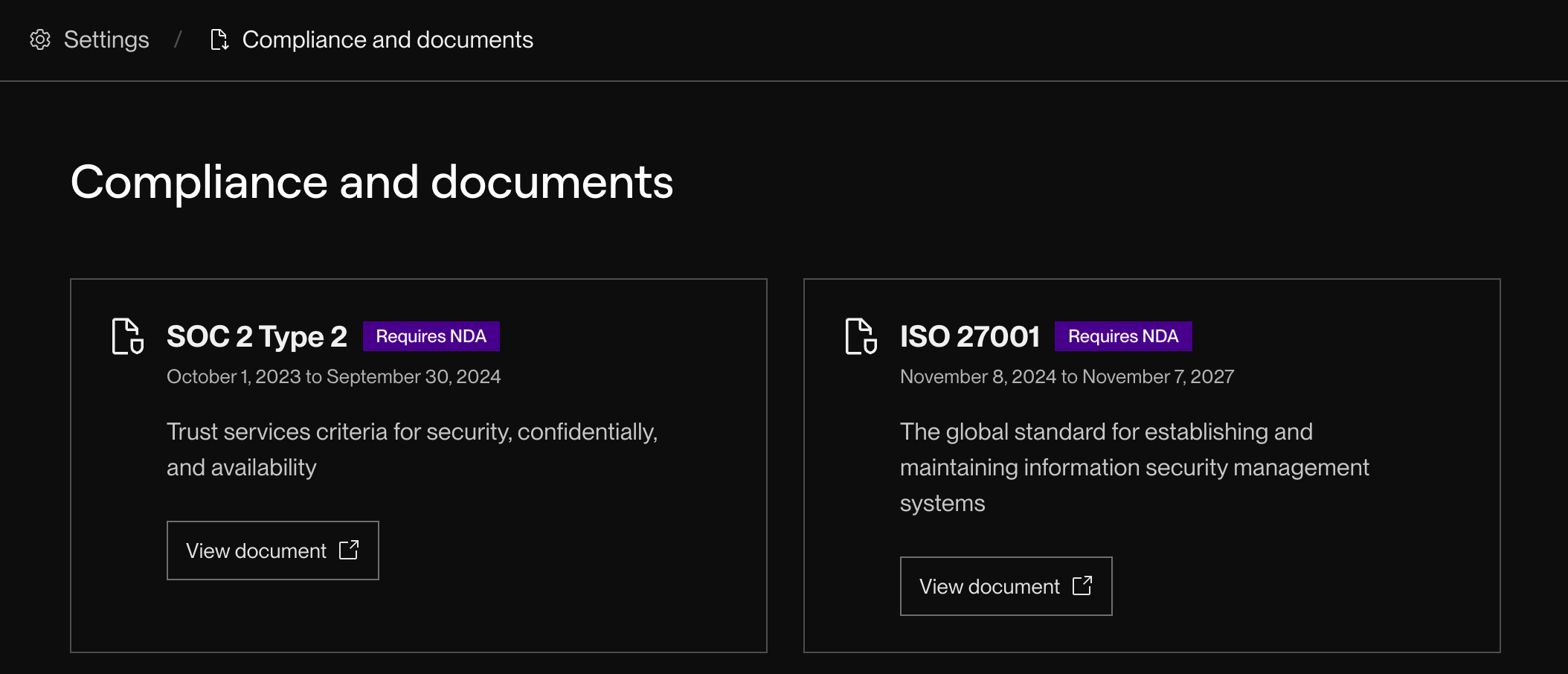
On the recurring “Heroku alternatives in 2026” Hacker News threads, Render is the most-mentioned successor by a wide margin. The most-upvoted comments cite the value-for-money on managed Postgres, the “it just works” deploy ergonomics, and the quality of support replies (“a real engineer answers within an hour, not a tier-1 script”). On G2 and Trustpilot, reviewers highlight the Heroku-to-Render migration playbook and the cost savings; teams report 30–60% reductions on equivalent workloads. The r/webdev and r/devops subreddits regularly rank Render in the top three Heroku replacements alongside Fly.io and Railway.
The most consistent complaint — and the main reason we capped the rating at 87 — is that the free tier’s 15-minute sleep on Web Services is rough for hobby projects: the first request after sleep takes 30–60 seconds, which makes the free tier a poor demo target. The other recurring grumble: Render is single-region per service in some plans, so multi-region failover requires manual replication work that Fly.io automates with its global network.
Render uses workspace plans plus per-resource compute charges. The Hobby workspace is free; you only pay for the resources you actually run.
| Plan | Price | Key Limits |
|---|---|---|
| Hobby | $0/user/month | Pay-as-you-go compute, free SSL, custom domains, 100 GB bandwidth, free Web Service that sleeps after 15 min idle. |
| Professional | $19/user/month | 500 GB bandwidth, autoscaling, preview environments, priority support. |
| Organization | $29/user/month | SOC 2 Type II, SAML SSO, audit logs, RBAC, HIPAA BAA available. |
| Enterprise | Custom | Dedicated support, custom contracts, on-prem connector, regional pricing. |
| Compute (any plan) | $7/mo Starter (512 MB, 0.5 CPU) → $25/mo Standard (2 GB, 1 CPU) → up to $400+/mo Performance (32 GB, 8 CPU) | Per-second billed; managed Postgres from $7/mo; Key Value from $10/mo. |
render.yaml file declares every service, env var, autoscaling rule, cron and database in your stack.Best for: Solo developers and small-to-mid teams migrating off Heroku; SaaS startups that want push-to-deploy ergonomics with managed Postgres, cron and workers in one bill; agencies running many client apps where per-second billing and free preview environments save serious money; HIPAA workloads that don’t want to pay for Heroku Shield.
Not ideal for: Multi-region active-active workloads (Fly.io is purpose-built for that); teams that need fine-grained Kubernetes control (use raw GKE / EKS); workloads with very spiky GPU needs (Render added GPUs in 2024 but Modal and RunPod remain stronger for GPU-only workloads).
Pros:
Cons:
Heroku is the incumbent — deepest add-on ecosystem and the most mature ops story, but materially more expensive and slower to ship features post-Salesforce acquisition. Fly.io is the strongest competitor for global, multi-region apps; its Anycast networking is unmatched but the operational mental model is more complex. Railway is a more polished UX clone of Heroku with usage-based pricing — great for hobbyists, less proven at scale. Vercel wins for Next.js + edge functions but isn’t a generic PaaS. Northflank is the closest like-for-like alternative to Render with multi-cluster control. For self-hosted, see our reviews of Coolify and Dokploy.
Yes — for the vast majority of teams shipping web apps, background jobs and managed Postgres in 2026, Render is the default Heroku replacement. The combination of per-second billing, managed datastores, free SSL, preview environments and SOC 2 + HIPAA compliance hits a sweet spot Heroku can’t match without significant add-on spend. The 87/100 reflects two real costs: the free Web Service sleep behaviour is awkward, and Fly.io still wins on multi-region. For everyone running a single-region SaaS or upgrading from Heroku, Render is now the recommendation.
Dockerfile in your repo. Builds run on Render’s build infrastructure with build cache support.Hosting & InfrastructureNetwork-wide ad blocker and DNS sinkhole — kills ads on every device on your network without any client software
 Hosting & Infrastructure
The open-source Go web server with automatic HTTPS by default — no Certbot, no cron, no excuses.
 Hosting & Infrastructure
The free software media system — a 100% open-source, ad-free, self-hosted alternative to Plex and Emby.
 Hosting & Infrastructure
A fancy self-hosted monitoring tool with 86k GitHub stars, 13 monitor types and 90+ alert integrations.
ServiceNow and Accenture Launch Forward Deployed Engineering Program to Scale Agentic AI in the Enterprise (May 6, 2026)
At Knowledge 2026, ServiceNow and Accenture announced a joint forward deployed engineering program that drops co-located engineer pods into customer environments to ship agentic AI workflows natively on the ServiceNow AI Platform — with access to 300+ pre-built agent skills and the AI Control Tower as the governance backbone.
May 7, 2026
ReFiBuy Raises $13.6M Seed to Help Brands Get Recommended by AI Shopping Agents (May 5, 2026)
ReFiBuy, the Raleigh-based agentic commerce platform from ChannelAdvisor founder Scot Wingo, closed an oversubscribed $13.6M seed led by NewRoad Capital Partners on May 5, 2026 — betting that the next billion-dollar e-commerce moat is being chosen by ChatGPT, Claude and Perplexity.
May 7, 2026
OpenAI Replaces ChatGPT's Default Model With GPT-5.5 Instant — 52.5% Fewer Hallucinations, 30% Shorter Answers (May 5, 2026)
OpenAI on May 5 swapped GPT-5.3 Instant for the new GPT-5.5 Instant as ChatGPT's default model, claiming 52.5% fewer hallucinated claims on high-stakes prompts and 30% more concise answers. The model also rolls into the API as chat-latest and adds personalization from Gmail and past chats for Plus and Pro web users.
May 7, 2026
Is this product worth it?
Built With
Compare with other tools
Open Comparison Tool →