 Developer Tools
Templ
Type-safe HTML templating language for Go with compile-time safety
Papermark is the open-source DocSend alternative — an 8,200-star AGPLv3 platform for secure document sharing, virtual data rooms and page-level analytics.
Papermark is an open-source, AGPLv3-licensed alternative to DocSend that combines secure document sharing, virtual data rooms and granular page-level analytics in a single self-hostable Next.js stack. We rate it 86/100 — the best honest pick in 2026 if you want DocSend-style links and data rooms without paying DocSend prices, or if you simply prefer to keep sensitive M&A and fundraising documents on your own infrastructure.
Papermark was launched on by founder Marc Seitz (@mfts), who open-sourced the project on a weekend after a tweet asking whether anyone wanted a self-hostable DocSend replacement went viral. The repository at github.com/mfts/papermark has since accumulated over 8,200 stars and 1,196 forks, and the company — bootstrapped without venture capital — publicly disclosed crossing $900K ARR in 2024 entirely through self-serve subscriptions to the hosted version at papermark.com.
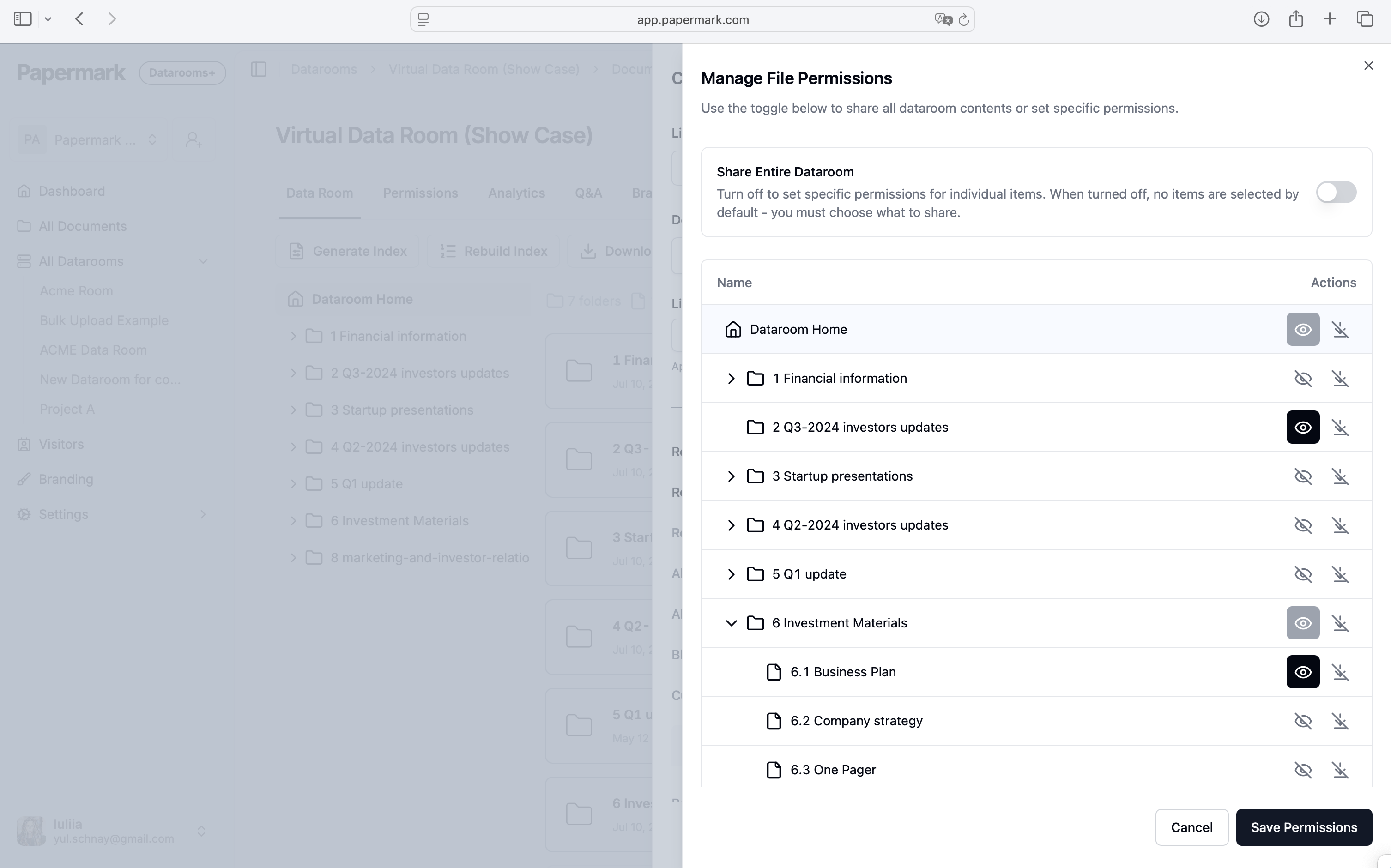
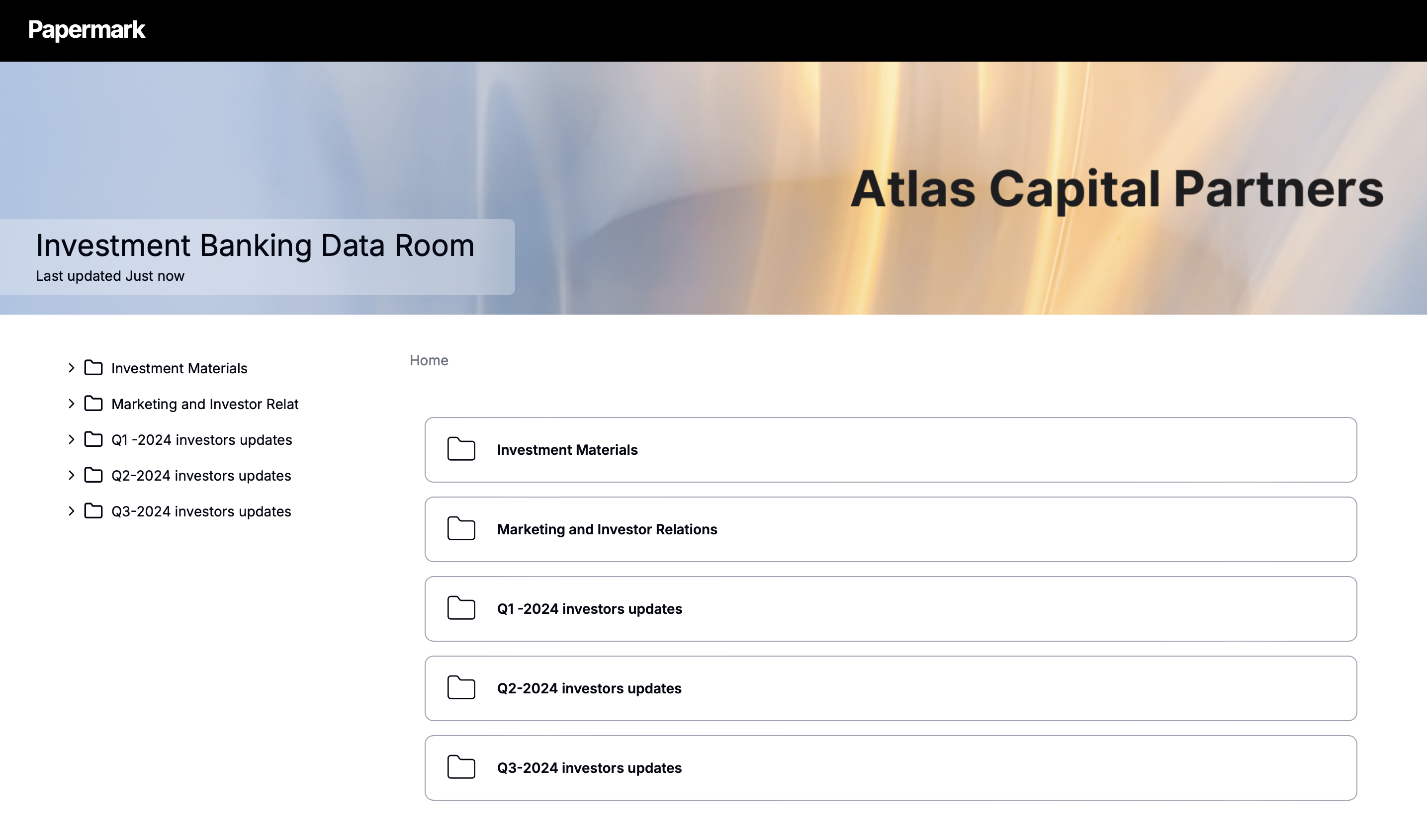
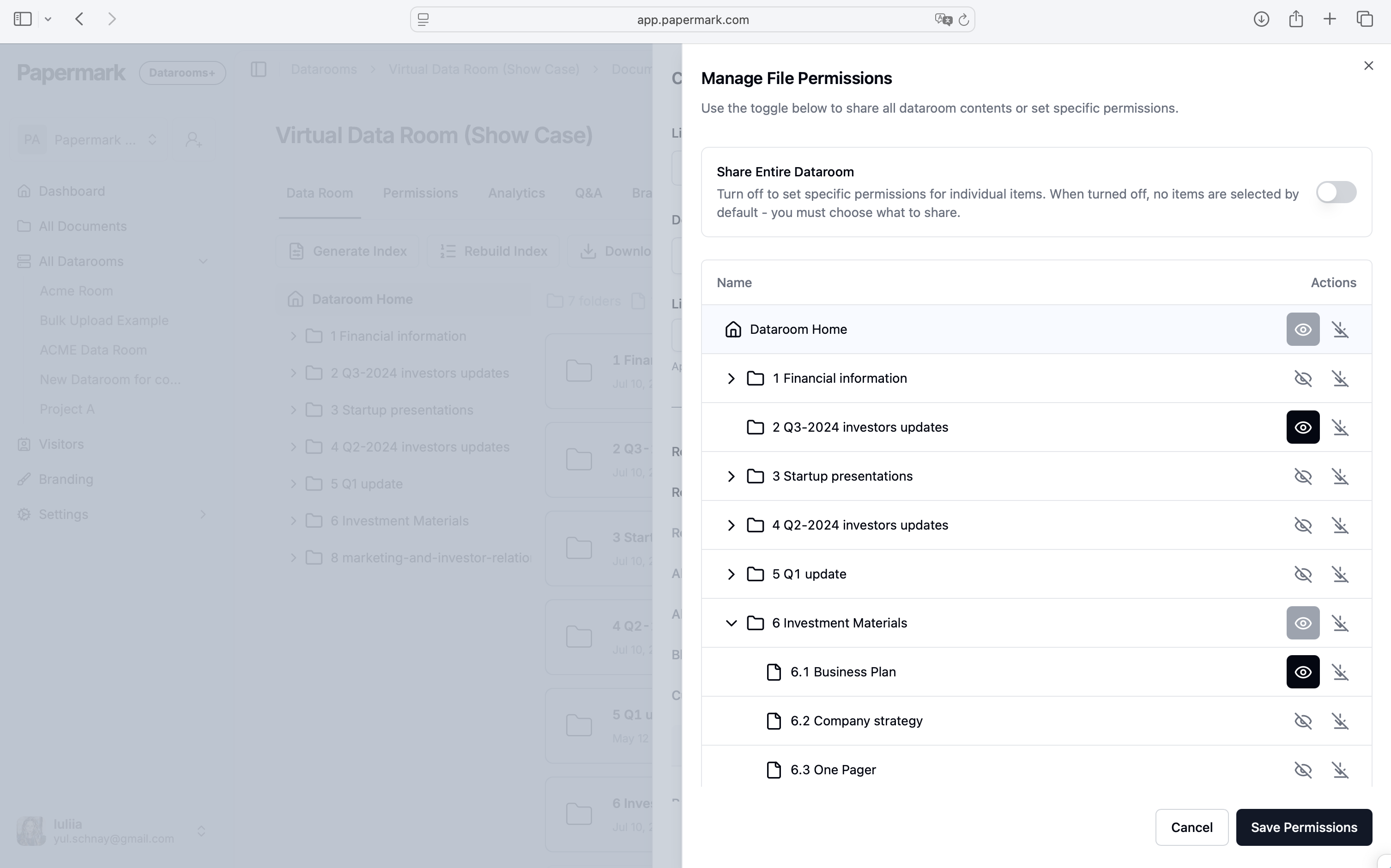
The core problem Papermark solves is straightforward: when you share a pitch deck, financial model, NDA or due-diligence package by email attachment or generic Google Drive link, you lose all visibility into who opened it, how long they spent on each page, and whether they forwarded it. Papermark replaces that with custom-domain shareable links that capture every view, scroll and dwell-time event, plus virtual data rooms with per-folder permissions, watermarks, NDAs, link expiration and screenshot protection — features that DocSend, ContractZen and Firmex have historically charged $200–$2,000 per month for.

On Hacker News, the original Show HN thread (item 37984167) drew 200+ comments mostly praising the AGPLv3 license and clean Next.js stack, with the most consistent critique being that early versions lacked the Q&A and indexing features bundled into Datasite. On Product Hunt, the v3 launch was a category top-post with several VCs in the comments noting they actually use the hosted product to track their portfolio decks. On Reddit, the most upvoted r/SaaS thread about Papermark is a founder retro detailing how the project hit $900K ARR with two people and zero outside funding, while r/selfhosted users frequently flag the Tinybird dependency as a friction point for fully air-gapped deployments — Tinybird is required for analytics on the OSS edition, and there is no built-in Postgres-only fallback yet.
Papermark uses a per-workspace freemium ladder. Self-hosting is free forever under AGPLv3.
| Plan | Price | Key Limits |
|---|---|---|
| Free | $0/mo | 1 user, basic links, basic analytics, no custom branding |
| Pro | $24/mo | 1 user, custom branding, custom domain, link controls, large files |
| Business | $59/mo | 3 users, light data rooms, advanced security, NDA gating |
| Data Rooms | $99/mo | 3 users, unlimited secure data rooms, watermarks, audit logs |
| Data Rooms Plus | $249/mo | Q&A threads, file indexing, premium dataroom features |
| Enterprise | Custom | SSO, SAML, custom contracts, dedicated support |
| Self-hosted | $0 | AGPLv3, unlimited everything, you run the infra |
Best for: Bootstrapped founders sending pitch decks who balk at DocSend's $45-per-user-per-month entry tier; investment banking analysts and corp-dev teams running M&A data rooms who want auditable controls without Datasite-class invoices; and security-conscious legal or healthcare teams who need to keep sensitive documents on their own VPC under AGPLv3.
Not ideal for: Enterprises that already have a vendor-approved DRM solution (Vera, Seclore) baked into their workflow; teams that need fully air-gapped self-hosting without external dependencies (Tinybird is currently required for analytics in the OSS edition); and casual users who just want quick read-receipts on a one-off PDF — the free tier is excellent, but provisioning a workspace is overkill for a single share.
Pros:
Cons:
The most direct paid alternative is DocSend (now owned by Dropbox) at $45–$250 per user per month — more polished UX but no self-hosting, and pricing scales aggressively with team size. Datasite and Firmex are the enterprise data-room incumbents — far more compliance certifications but five-figure annual contracts. For e-signature workflows specifically, our Documenso review covers the open-source DocuSign alternative; for client-facing customer support inboxes, Chatwoot is a comparable AGPLv3 self-host. Among purely OSS document-sharing peers, only OnlyOffice DocSpace comes close on feature parity, but it lacks Papermark's analytics depth.
Yes — Papermark is the rare open-source SaaS where the free and paid offerings are both unambiguously the best in class for what they cost. If you spend more than $50 per month on DocSend today, switching to Papermark Pro at $24/mo or self-hosting under AGPLv3 will save you money without giving up analytics or branding. If you run an M&A or fundraising data room, the $99/mo Data Rooms tier replaces software that historically cost $1,500+/mo. The two real reservations are the Tinybird analytics dependency for OSS users and the AGPLv3 license, both of which are honest trade-offs rather than dealbreakers. Final score: 86/100 — Very Good, with a clear path to Outstanding once the Tinybird-free analytics fallback ships.
ServiceNow and Accenture Launch Forward Deployed Engineering Program to Scale Agentic AI in the Enterprise (May 6, 2026)
At Knowledge 2026, ServiceNow and Accenture announced a joint forward deployed engineering program that drops co-located engineer pods into customer environments to ship agentic AI workflows natively on the ServiceNow AI Platform — with access to 300+ pre-built agent skills and the AI Control Tower as the governance backbone.
May 7, 2026
ReFiBuy Raises $13.6M Seed to Help Brands Get Recommended by AI Shopping Agents (May 5, 2026)
ReFiBuy, the Raleigh-based agentic commerce platform from ChannelAdvisor founder Scot Wingo, closed an oversubscribed $13.6M seed led by NewRoad Capital Partners on May 5, 2026 — betting that the next billion-dollar e-commerce moat is being chosen by ChatGPT, Claude and Perplexity.
May 7, 2026
OpenAI Replaces ChatGPT's Default Model With GPT-5.5 Instant — 52.5% Fewer Hallucinations, 30% Shorter Answers (May 5, 2026)
OpenAI on May 5 swapped GPT-5.3 Instant for the new GPT-5.5 Instant as ChatGPT's default model, claiming 52.5% fewer hallucinated claims on high-stakes prompts and 30% more concise answers. The model also rolls into the API as chat-latest and adds personalization from Gmail and past chats for Plus and Pro web users.
May 7, 2026
Is this product worth it?
Built With
Compare with other tools
Open Comparison Tool →