 Developer Tools
Templ
Type-safe HTML templating language for Go with compile-time safety
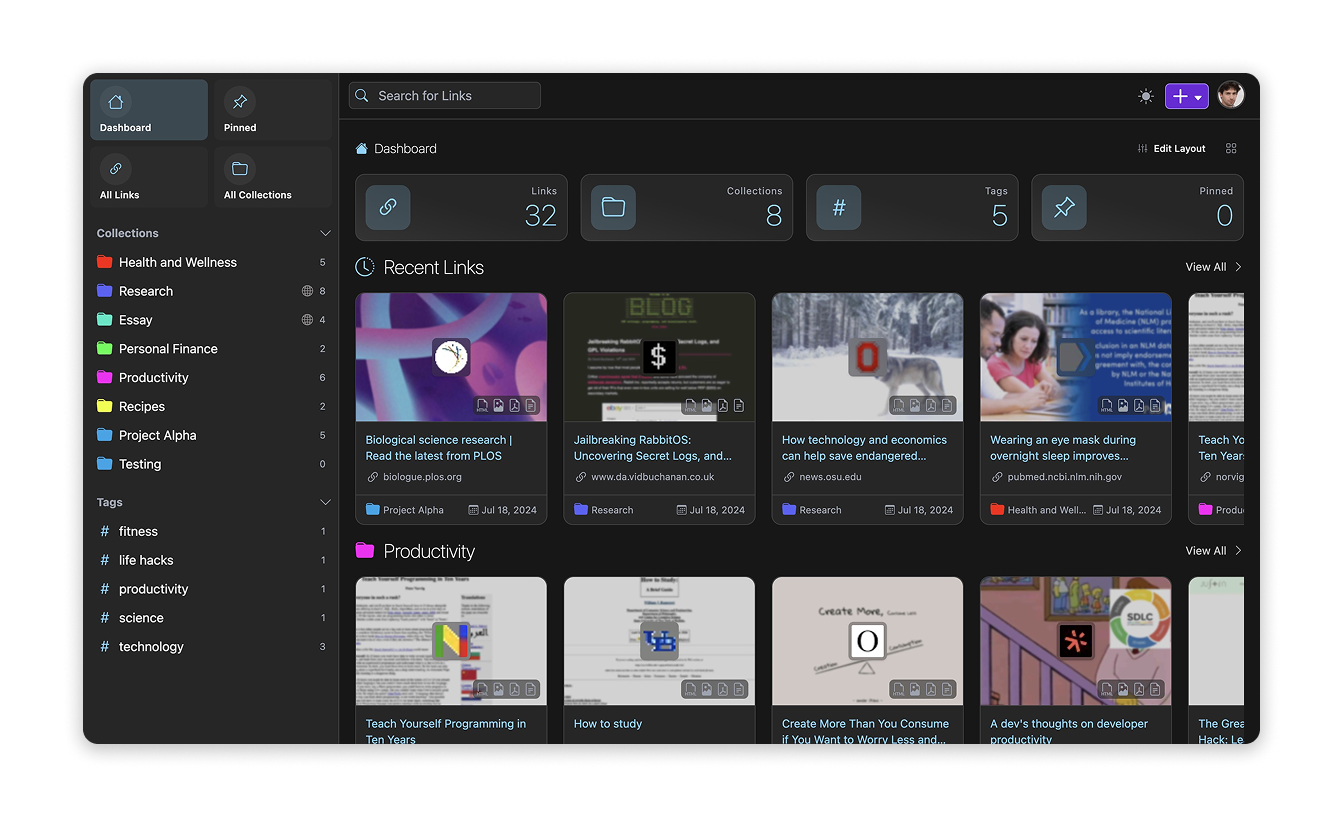
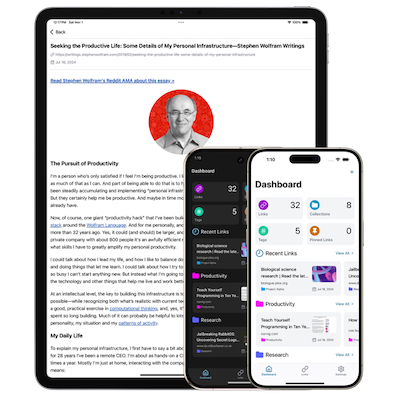
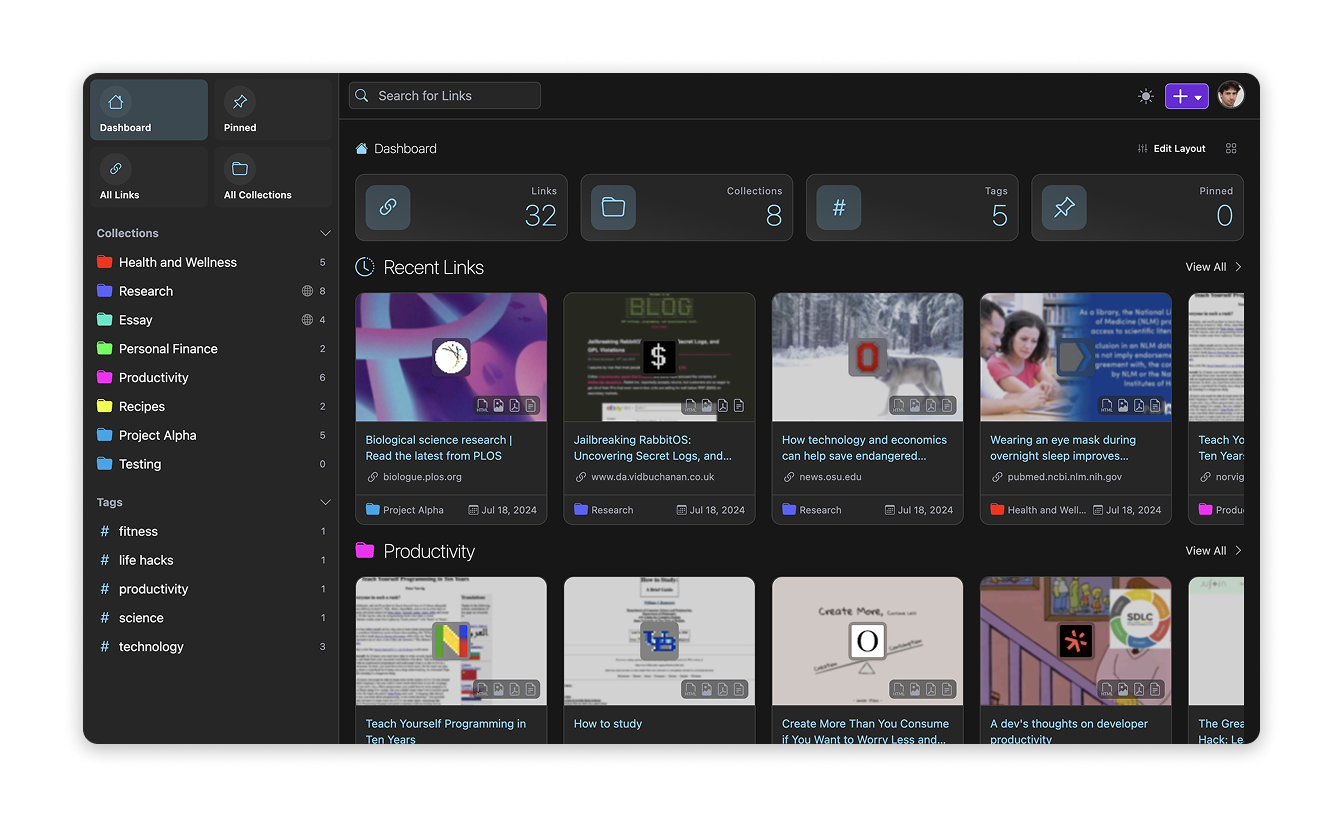
Linkwarden is an 18k-star, AGPL-licensed, self-hostable bookmark manager that archives every saved page as a screenshot, PDF and HTML file. The free self-hosted build is unlimited; Linkwarden Cloud is $3/user/month for up to 30,000 links.
Linkwarden is a self-hosted, open-source bookmark manager that goes beyond saving URLs by archiving every page you bookmark as a screenshot, PDF and full HTML file. We rate it 85/100 — the most full-featured open-source alternative to Raindrop and Pocket in 2026, ideal for anyone who self-hosts and wants a permanent personal web archive, with a small deduction for a heavier setup than minimalist rivals like Linkding.
Linkwarden was created by founder Daniel31x13 and first published on GitHub on . It is a Next.js + TypeScript application licensed under AGPL-3.0, designed to fight link rot by storing a full copy of every webpage you bookmark, not just its URL. As of , the GitHub repository sits at 18,101 stars and ships stable release v2.14.1, which added user content domain isolation for archived HTML.
The product targets a specific niche: developers, researchers and self-hosters who currently juggle browser bookmarks, Pocket, Raindrop.io and a folder of broken links, and want one tool that captures, organises and preserves what matters — without relying on a third-party cloud they cannot inspect or migrate from.
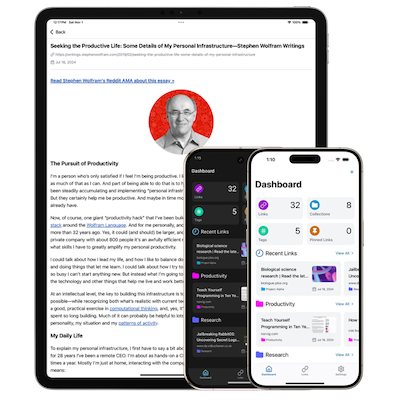
Sentiment is overwhelmingly positive. The original Hacker News thread hit 301 points with developers calling it "the closest open-source equivalent to Raindrop" and praising the archival approach. On Reddit's r/selfhosted, recurring threads describe the deployment as a "weekend project" and confirm a $5 VPS is enough to run a personal instance with thousands of links. XDA Developers and Linuxiac both published largely positive reviews in 2024–2025.
The honest criticism is also consistent. Power users on Lemmy and Hacker News point out that Linkwarden's setup is heavier than minimalist competitors — it is a multi-container Docker Compose stack with PostgreSQL and a Playwright-based archiver, versus Linkding's single binary. A recurring complaint on r/selfhosted is RAM usage during archiving, and one HN commenter who runs both Linkwarden and Raindrop notes that "Linkwarden works well but is not as polished as Raindrop" on mobile UX. The AGPL-3.0 license is also stricter than MIT for organisations that want to fork commercially.
Self-hosted Linkwarden is free forever under AGPL-3.0 with no feature limits. Linkwarden Cloud is the official managed offering and is intentionally simple: one paid tier with a 14-day free trial, plus a Custom plan for organisations that need SSO and unlimited links.
| Plan | Price | Key Limits |
|---|---|---|
| Self-hosted | $0 forever | AGPL-3.0, unlimited links, unlimited users, all features. You pay only for infrastructure. |
| Cloud | $3/user/month | Hosted by Linkwarden, up to 30,000 links per workspace, all premium features, priority support, 14-day free trial. Yearly billing is 25% off ($27/user/year). |
| Custom | Contact sales | Hosted by Linkwarden or yourself. Unlimited links, SSO, fully customisable instance, dedicated support. |
Best for: developers, researchers, journalists and self-hosters who want a permanent personal web archive, run their own infrastructure, and value owning their data. It is also a strong fit for small teams collaborating on link collections — competitive analysis, syllabus building, content research — because of its per-collection permissions and public-share dashboards.
Not ideal for: users who want a one-click installer with zero ops — Linkding or Raindrop will get them running faster. It is also overkill if you only need a synced bookmark list across browsers; Floccus + a folder is simpler. Organisations that need a permissive (MIT/Apache) license for commercial forking should look at Karakeep.
Pros:
Cons:
The most-compared alternatives are Raindrop.io (more polished mobile apps and a free tier, but closed-source SaaS), Linkding (single-binary minimal alternative that is faster to deploy but skips archival and AI tagging), and Pocket (now in maintenance mode after Mozilla's 2025 wind-down). For self-hosters who want even simpler tooling, Karakeep is an MIT-licensed alternative with built-in AI summarisation. Most teams pick Linkwarden when archival and collaboration are non-negotiable, and Linkding when they only want a fast, plain bookmark list.
Yes — for the right user, decisively. Linkwarden is the rare self-hosted project that has reached feature parity with the commercial leader (Raindrop) while staying genuinely free and open-source. If you have ever lost a link to a 404, watched Pocket go into maintenance mode, or simply want your reading list to outlive any one company, this is the tool to install this weekend. Our 85/100 rating reflects that strong fit for self-hosters and researchers, with a deduction for setup complexity and a mobile UX that still trails Raindrop. Casual users who never plan to touch Docker should pick Raindrop or Linkding instead.
ServiceNow and Accenture Launch Forward Deployed Engineering Program to Scale Agentic AI in the Enterprise (May 6, 2026)
At Knowledge 2026, ServiceNow and Accenture announced a joint forward deployed engineering program that drops co-located engineer pods into customer environments to ship agentic AI workflows natively on the ServiceNow AI Platform — with access to 300+ pre-built agent skills and the AI Control Tower as the governance backbone.
May 7, 2026
ReFiBuy Raises $13.6M Seed to Help Brands Get Recommended by AI Shopping Agents (May 5, 2026)
ReFiBuy, the Raleigh-based agentic commerce platform from ChannelAdvisor founder Scot Wingo, closed an oversubscribed $13.6M seed led by NewRoad Capital Partners on May 5, 2026 — betting that the next billion-dollar e-commerce moat is being chosen by ChatGPT, Claude and Perplexity.
May 7, 2026
OpenAI Replaces ChatGPT's Default Model With GPT-5.5 Instant — 52.5% Fewer Hallucinations, 30% Shorter Answers (May 5, 2026)
OpenAI on May 5 swapped GPT-5.3 Instant for the new GPT-5.5 Instant as ChatGPT's default model, claiming 52.5% fewer hallucinated claims on high-stakes prompts and 30% more concise answers. The model also rolls into the API as chat-latest and adds personalization from Gmail and past chats for Plus and Pro web users.
May 7, 2026
Is this product worth it?
Built With
Compare with other tools
Open Comparison Tool →