
 Hosting & Infrastructure
Pi-hole
Network-wide ad blocker and DNS sinkhole — kills ads on every device on your network without any client software
Jellyfin is a free, fully open-source media server that streams your movies, TV, music and books to any device — with no subscription, no phone-home, and no premium tier. We rate it 88/100.
Jellyfin is the volunteer-built, fully open-source media server that streams your movies, TV, music, audiobooks and live TV to any device on any network — with no subscription, no premium tier, and no phone-home authentication. We rate it 88/100 — the right pick for self-hosters who want a privacy-friendly, $0-forever Plex alternative, and the wrong pick only if you want a polished plug-and-play experience or first-class native apps on every TV stick.
Jellyfin was forked from Emby on by Andrew Rabert and Joshua Boniface after Emby moved its 4.x release closed-source. The first release shipped — just 22 days after the fork was announced — and the project has been entirely community-maintained ever since under the GPLv2 license. As of April 2026, the GitHub repo at jellyfin/jellyfin sits at 50,775 stars and 4,708 forks, the official Docker image has crossed 360 million pulls, and the project celebrated its 7th anniversary in December 2025.
The pitch is simple: install the .NET-based server on Linux, Windows, macOS, FreeBSD, a NAS or a Docker container, point it at your media folders, and it transcodes, organises, fetches metadata and streams to web, mobile, Android TV, Apple TV (Swiftfin), Roku, Xbox, LG webOS and Samsung Tizen. Unlike Plex, every feature — including hardware transcoding, offline downloads and remote streaming — is free forever, and unlike Emby, the entire codebase is GPL-licensed and verifiably open.
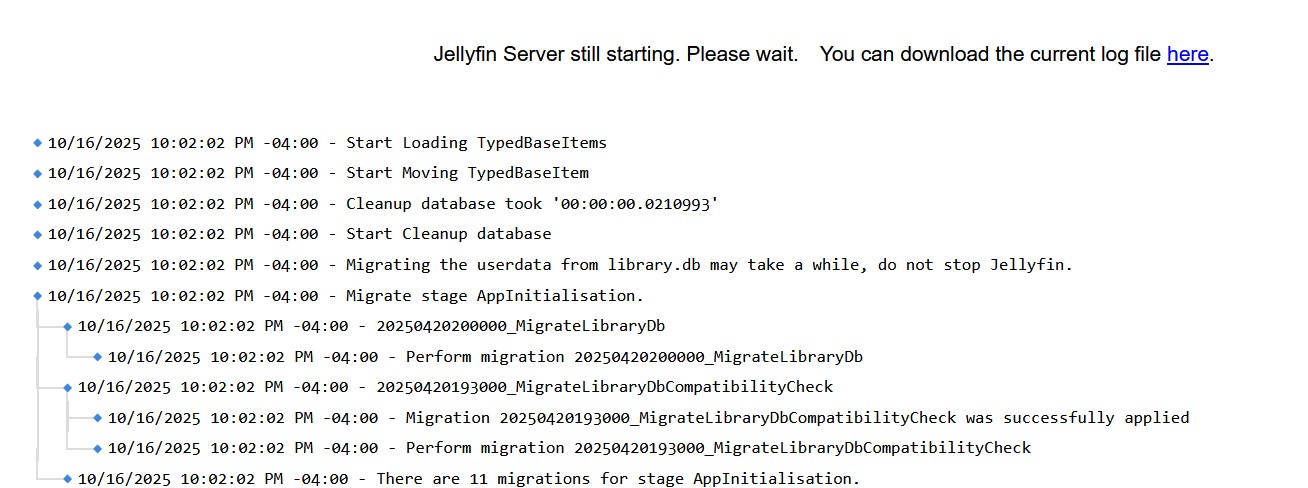
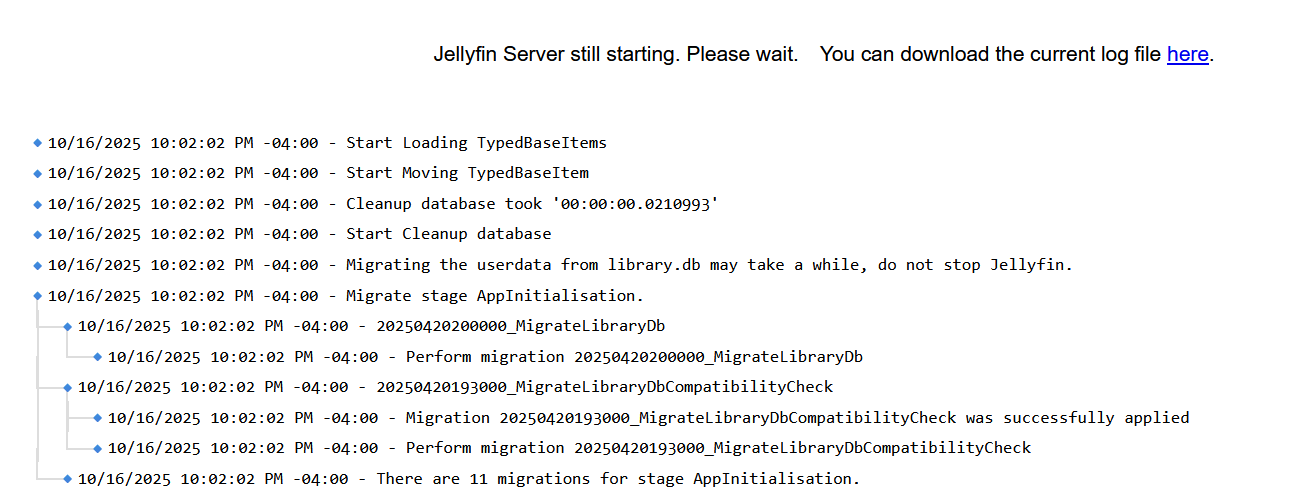
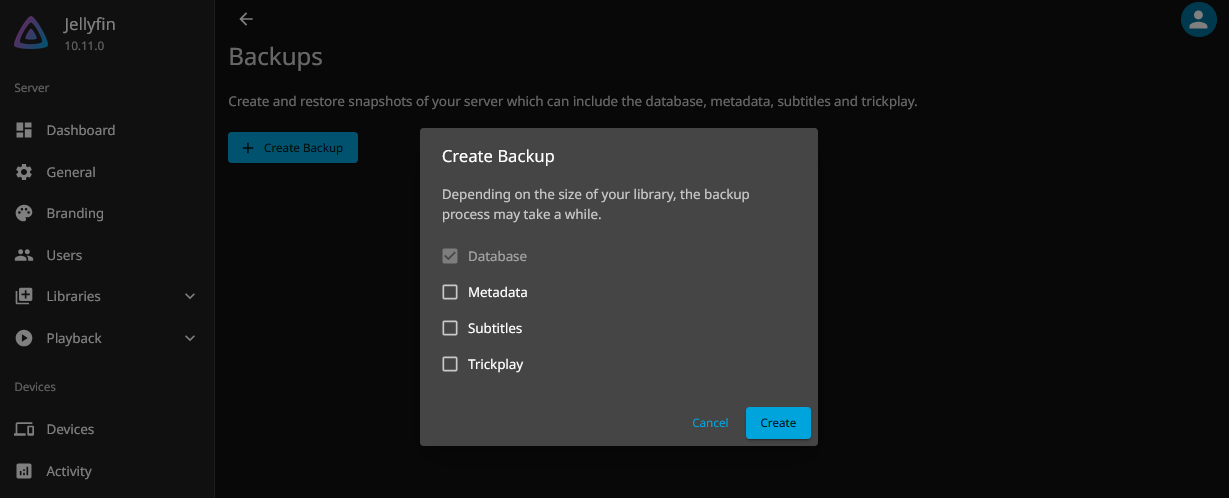
library.db into a single jellyfin.db, plus first-class system backups, .gitignore-style media exclusions, a startup overlay, storage-capacity checks and a redesigned "Experimental" web UI that is now the default on non-TV devices.jellyfin/jellyfin image with QSV/NVENC variants makes setup on Synology, TrueNAS, Unraid, Proxmox or any Docker host roughly a 5-minute job.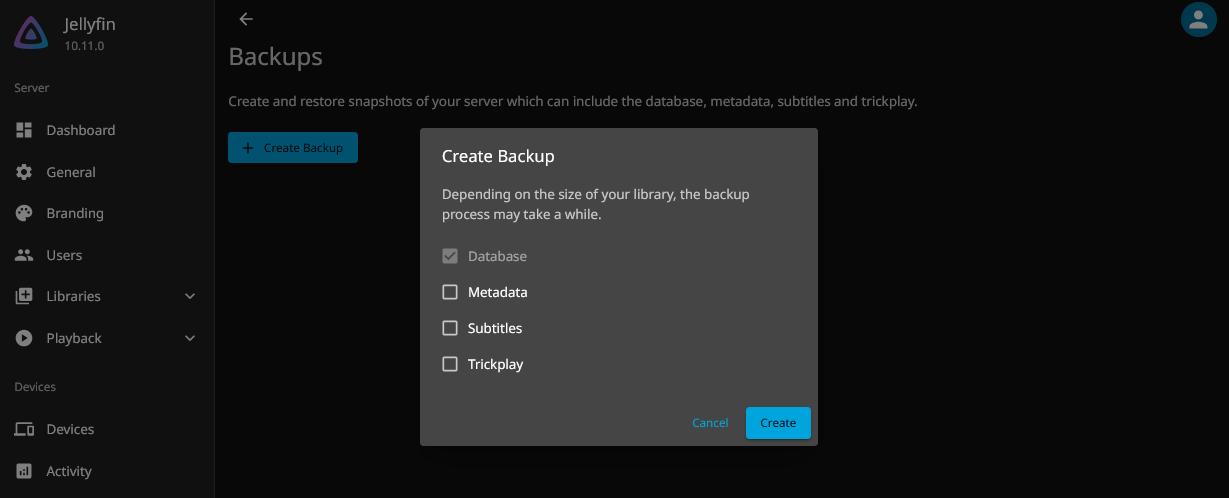
Sentiment across r/jellyfin, r/selfhosted and r/Piracy in 2025 and 2026 is overwhelmingly positive, especially after Plex's price hike pushed lifetime access from $119.99 to $249.99 and ended free remote streaming — multiple top-voted Reddit threads document users mass-migrating to Jellyfin in the weeks that followed. The most common praise is the "just works" transcoding setup, the privacy story, and the fact that nothing is paywalled. The most recurring complaints — echoed on Hacker News and the official forum — are: the web UI lacks the polish of Plex's Apple-TV-grade native apps, occasional unnecessary transcoding when a client mis-reports codec support (still being actively worked on, see GitHub issue #15459 from November 2025), and reliability quirks across some smart-TV clients where playback works on one device but fails on another. The official Tizen app failed Samsung's 2025 review and is still being reworked, which is a real gap if you live on Samsung TVs.
Jellyfin is and always has been completely free. There is no Cloud product, no paid tier, no commercial license, and no $5M revenue threshold — the GPLv2 license applies equally to a hobbyist and to a Fortune 500.
| Plan | Price | Includes |
|---|---|---|
| Self-Hosted (only plan) | $0 forever | Server, all official clients, hardware transcoding, Live TV/DVR, multi-user, plugins, remote streaming |
The only optional cost is hardware (a Raspberry Pi 5, an old NUC, or a NAS) and bandwidth if you choose to expose Jellyfin to the internet.
Best for: Self-hosters and homelab users with a Plex/Emby library who refuse to pay $250 for software they already own; privacy-conscious households who do not want their media habits sent to a third-party cloud; families who want unlimited users and devices without seat limits; and anyone with mixed Linux/macOS/Windows/mobile devices who values open-source software.
Not ideal for: Casual users who want a single-click setup and Apple-TV-grade polish — Plex still wins on UI fit and finish; Samsung Tizen users until the Tizen app rework lands; and people who want bundled streaming-service catalogs (Plex's ad-supported on-demand library has no Jellyfin equivalent).
Pros:
Cons:
Plex: More polished UI, better Apple TV experience, bundled free streaming — but $5.99/month or $249.99 lifetime for hardware transcoding and remote access, and your watch history is sent to plex.tv. Emby: The closed-source parent project Jellyfin was forked from — better UI than Jellyfin in places but premium features cost $4.99/month. Kodi: Excellent client but not a true server — pair it with Jellyfin via the Kodi plugin for the best of both worlds.
For self-hosters, the answer in 2026 is unambiguously yes. After Plex's 2025 price doubling, Jellyfin is the obvious destination for anyone unwilling to keep paying for features they once had for free. The trade-off is real — you give up some UI polish and a couple of TV-platform clients — but in exchange you get a $0-forever, fully open-source, privacy-respecting media stack that has matured dramatically with 10.11's database refactor and backup system. We rate it 88/100: outstanding for the target audience, with a few rough edges that keep it just shy of the top tier.
Hosting & InfrastructureNetwork-wide ad blocker and DNS sinkhole — kills ads on every device on your network without any client software
 Hosting & Infrastructure
The open-source Go web server with automatic HTTPS by default — no Certbot, no cron, no excuses.
 Hosting & Infrastructure
A fancy self-hosted monitoring tool with 86k GitHub stars, 13 monitor types and 90+ alert integrations.
 Hosting & Infrastructure
AI-native observability and incident management — one bill for logs, metrics, uptime, and on-call, 30x cheaper than Datadog
ServiceNow and Accenture Launch Forward Deployed Engineering Program to Scale Agentic AI in the Enterprise (May 6, 2026)
At Knowledge 2026, ServiceNow and Accenture announced a joint forward deployed engineering program that drops co-located engineer pods into customer environments to ship agentic AI workflows natively on the ServiceNow AI Platform — with access to 300+ pre-built agent skills and the AI Control Tower as the governance backbone.
May 7, 2026
ReFiBuy Raises $13.6M Seed to Help Brands Get Recommended by AI Shopping Agents (May 5, 2026)
ReFiBuy, the Raleigh-based agentic commerce platform from ChannelAdvisor founder Scot Wingo, closed an oversubscribed $13.6M seed led by NewRoad Capital Partners on May 5, 2026 — betting that the next billion-dollar e-commerce moat is being chosen by ChatGPT, Claude and Perplexity.
May 7, 2026
OpenAI Replaces ChatGPT's Default Model With GPT-5.5 Instant — 52.5% Fewer Hallucinations, 30% Shorter Answers (May 5, 2026)
OpenAI on May 5 swapped GPT-5.3 Instant for the new GPT-5.5 Instant as ChatGPT's default model, claiming 52.5% fewer hallucinated claims on high-stakes prompts and 30% more concise answers. The model also rolls into the API as chat-latest and adds personalization from Gmail and past chats for Plus and Pro web users.
May 7, 2026
Is this product worth it?
Built With
Compare with other tools
Open Comparison Tool →