
 AI Tools
Aider
AI pair programming in your terminal—free, open-source, any LLM
Greptile is a YC-backed AI code review tool that indexes your full repo to catch cross-file bugs in pull requests. We rate it 78/100 — strong on bug detection, expensive at $30/seat, and historically noisy until v4.
Greptile is an AI code review agent that builds a graph index of your entire codebase, then runs a swarm of LLM agents over every pull request to flag bugs, regressions and broken assumptions. We rate it 78/100 — a strong, deep reviewer for teams that ship complex multi-service codebases, but pricey at $30 per developer per month and historically noisy until the v4 release in early 2026.
Greptile was founded in 2023 by three Georgia Tech students — Soohoon Choi, Daksh Gupta and Vaishant Kameswaran — who pivoted out of an AI shopping assistant idea inside Georgia Tech's CREATE-X program. The company joined Y Combinator's Winter 2024 batch and later raised a $25 million Series A led by Benchmark, taking total funding to about $30 million at a reported $180 million valuation.
Where most AI reviewers read only the diff, Greptile constructs a codebase graph mapping how functions, classes and modules relate, and uses that context when reviewing a PR. That is the entire pitch: catch the bug in module A that quietly breaks an assumption in module B three folders away — the class of issue that fast diff-only reviewers miss. Greptile says it now reviews 5–8 million lines of code per week for customers including Brex, Whoop, Substack, Mintlify, WorkOS and Bland.

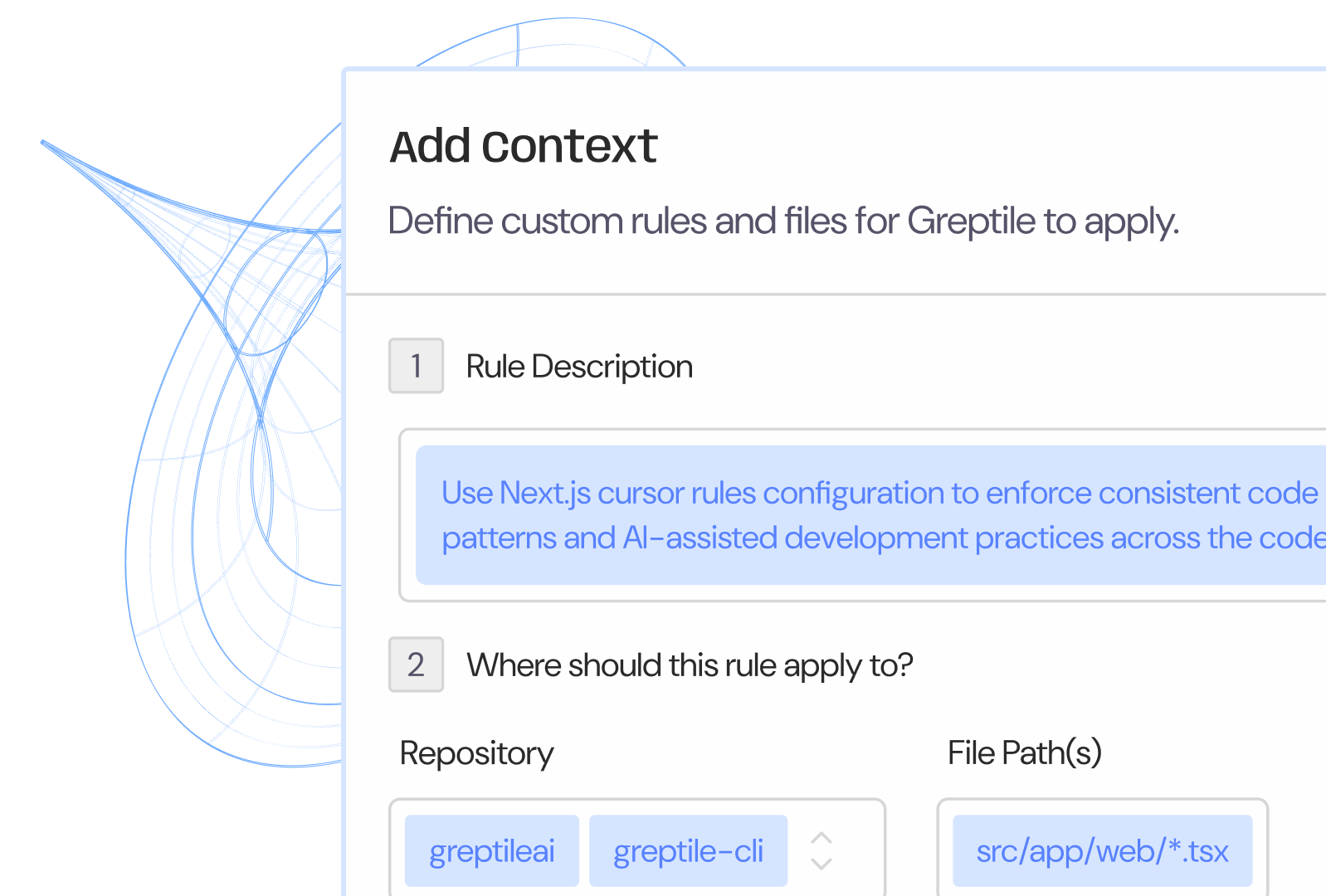
Sentiment is mixed but trending up. Independent benchmarks consistently put Greptile first on bug catch rate at 82% versus CodeRabbit's 44% — but also last on false positives, with one widely-cited test flagging 11 false positives to CodeRabbit's 2. The most upvoted Reddit thread we found summarises it bluntly: "Greptile might catch more bugs, but at what cost? High false positives, slow reviews."
Praise centres on the cross-file insights — "no other tool matches Greptile's depth" on schema migrations and module-boundary breakage. Complaints centre on noise volume forcing teams to learn to ignore the bot. Greptile's own v4 post-mortem acknowledges this directly and reports the comment-addressed rate jumped from 30% to 43% after v4 shipped, with a 74% increase in addressed comments per PR and a 68% bump in positive replies.
Greptile is paid-only — there is no free personal tier as of . Public open-source projects can apply for free usage, and self-hosted / enterprise pricing is available on request.
| Plan | Price | Key Limits |
|---|---|---|
| Free Trial | 14 days | Full Pro features, no card up front |
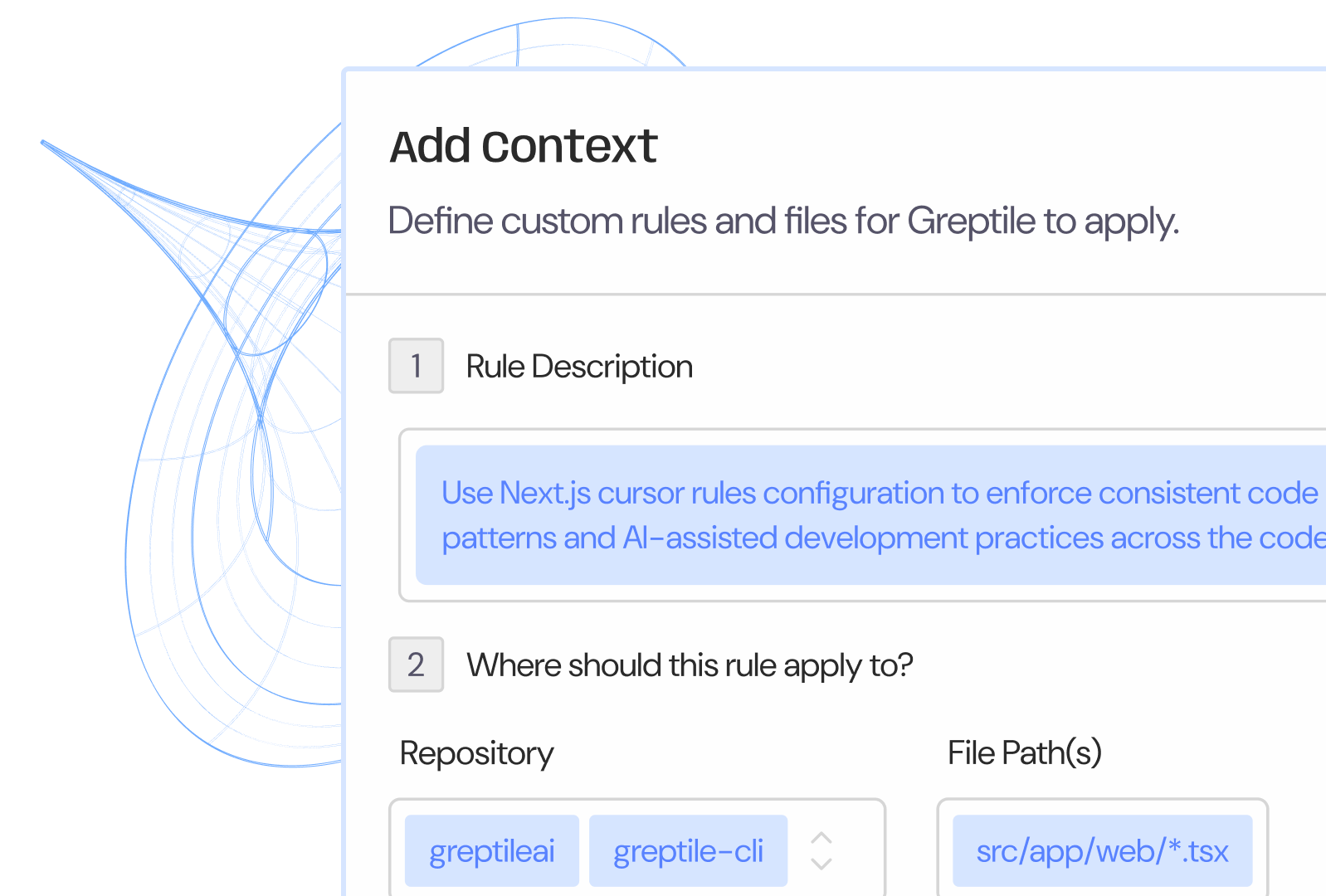
| Pro | $30 / developer / month | Unlimited reviews, GitHub + GitLab, custom rules, Learning |
| Open Source | $0 | Free for qualifying public OSS repos |
| Enterprise / Self-Hosted | Custom | SSO, on-prem deployment, audit logs, priority support |
Best for: mid-size to large engineering teams (15+ developers) shipping into a complex, interconnected codebase — backends with shared schemas, microservice graphs, infra-heavy SaaS — where the cost of a missed cross-file regression dwarfs $30/seat.
Not ideal for: two-person startups, hobby projects and teams that already feel review-fatigued. The lack of a free hobby tier rules out solo developers, and the historically high comment volume punishes teams that won't invest in tuning custom rules.
Pros:
Cons:
Greptile's main rivals are CodeRabbit (cheaper, lower noise, less codebase depth), Cursor Bugbot (tighter integration with the Cursor editor but shallower analysis) and Graphite Reviewer (better stack-of-PRs workflow, weaker on cross-file bugs). For self-hostable, open-source alternatives, look at Aider's review modes or pair with Cline in your editor.
If your team ships into a real codebase — not a 5-file SaaS dashboard — and you have the engineering discipline to tune custom rules and read the comments, Greptile is the deepest AI reviewer on the market in 2026. The 82% bug catch rate is not marketing fluff; the v4 release closed most of the noise gap; and the customer list speaks to durability. If you are a two-person team or you want a free hobby tier, look at CodeRabbit or wait for Greptile to ship a free plan. We rate Greptile 78/100: very good, with the rough edges still warranting honest disclosure.
AI ToolsAI pair programming in your terminal—free, open-source, any LLM
 AI Tools
Open-source Python web crawler for LLMs, RAG and AI agents
 AI Tools
Open-source, extensible AI agent that goes beyond code suggestions — desktop app, CLI, and API for any LLM
 AI Tools
All-in-one open-source AI app to chat with your docs, run agents, and connect any LLM — local-first.
ServiceNow and Accenture Launch Forward Deployed Engineering Program to Scale Agentic AI in the Enterprise (May 6, 2026)
At Knowledge 2026, ServiceNow and Accenture announced a joint forward deployed engineering program that drops co-located engineer pods into customer environments to ship agentic AI workflows natively on the ServiceNow AI Platform — with access to 300+ pre-built agent skills and the AI Control Tower as the governance backbone.
May 7, 2026
ReFiBuy Raises $13.6M Seed to Help Brands Get Recommended by AI Shopping Agents (May 5, 2026)
ReFiBuy, the Raleigh-based agentic commerce platform from ChannelAdvisor founder Scot Wingo, closed an oversubscribed $13.6M seed led by NewRoad Capital Partners on May 5, 2026 — betting that the next billion-dollar e-commerce moat is being chosen by ChatGPT, Claude and Perplexity.
May 7, 2026
OpenAI Replaces ChatGPT's Default Model With GPT-5.5 Instant — 52.5% Fewer Hallucinations, 30% Shorter Answers (May 5, 2026)
OpenAI on May 5 swapped GPT-5.3 Instant for the new GPT-5.5 Instant as ChatGPT's default model, claiming 52.5% fewer hallucinated claims on high-stakes prompts and 30% more concise answers. The model also rolls into the API as chat-latest and adds personalization from Gmail and past chats for Plus and Pro web users.
May 7, 2026
Is this product worth it?
Built With
Compare with other tools
Open Comparison Tool →