
 Developer Tools
Templ
Type-safe HTML templating language for Go with compile-time safety
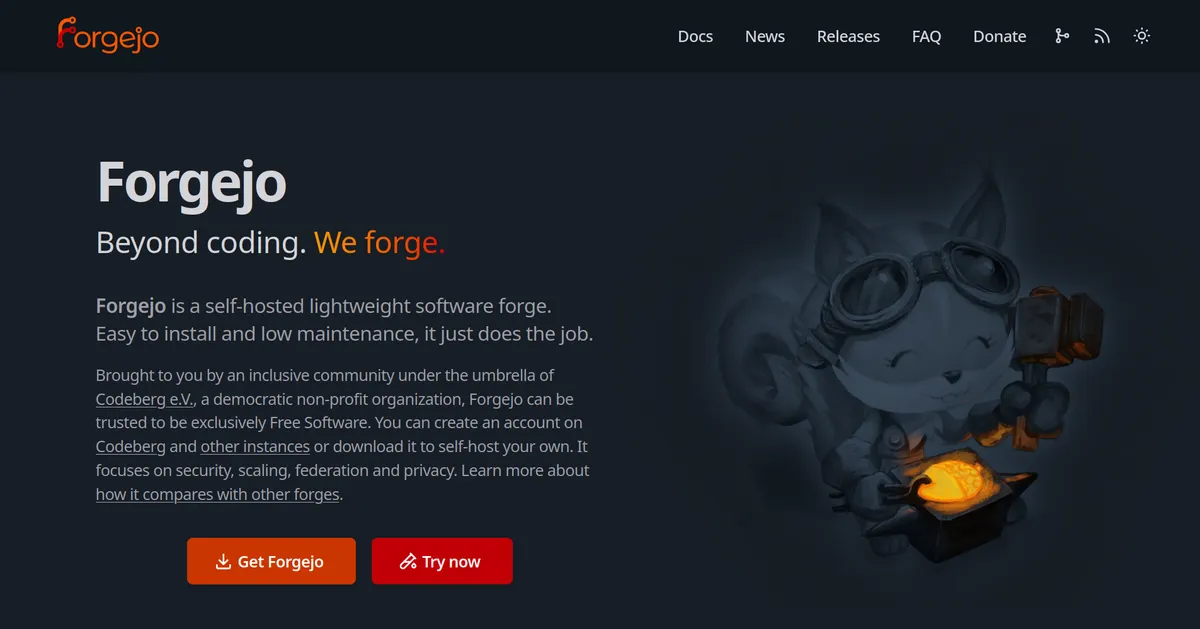
Forgejo is the community-run, GPL-3.0 fork of Gitea — a single-binary self-hosted GitHub alternative with federation, GitHub Actions–compatible CI and Codeberg-backed nonprofit governance. We rate Forgejo v15.0 (April 2026) 91/100 — the safer long-term bet for self-hosted Git in 2026.
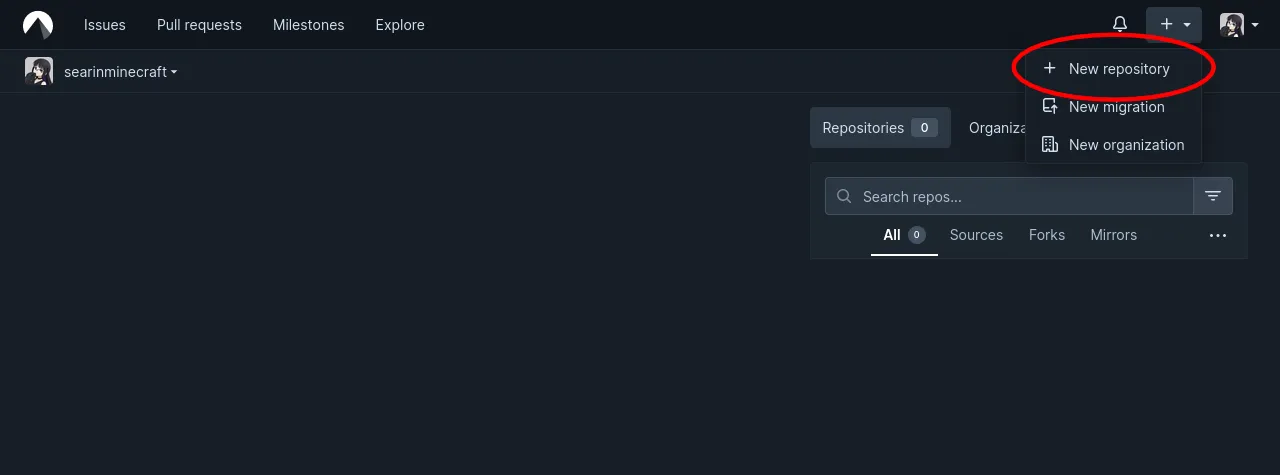
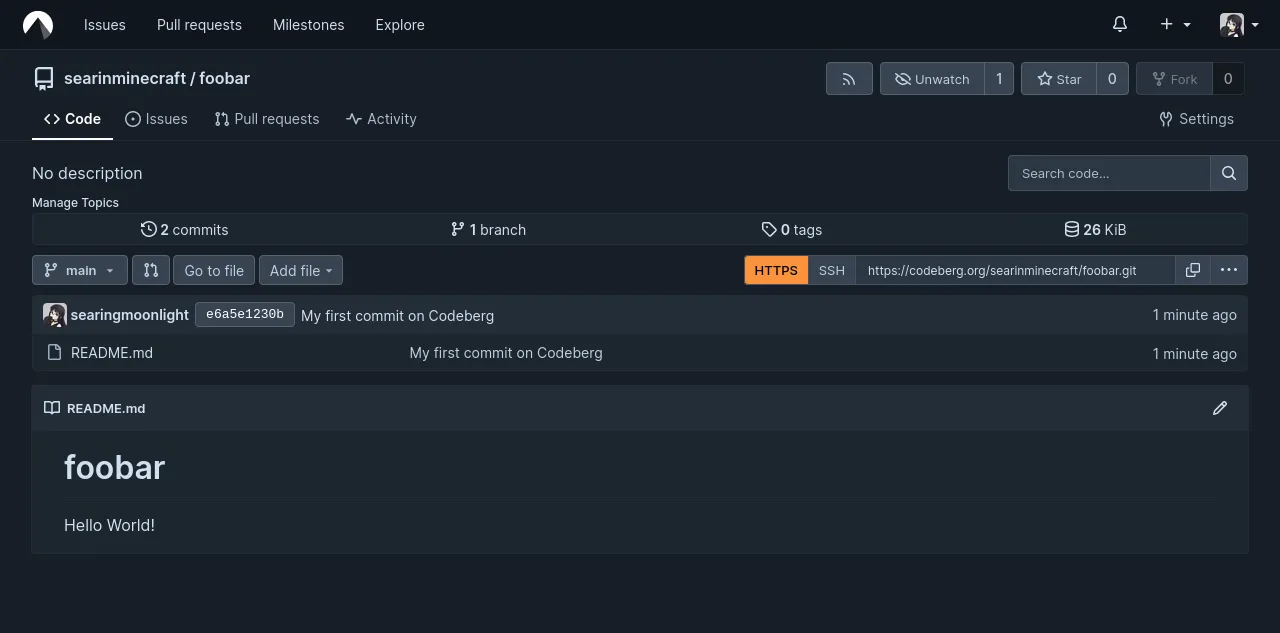
Forgejo is a self-hosted, lightweight Git forge — a community-governed fork of Gitea developed under the umbrella of the Codeberg e.V. nonprofit. It ships as a single ~100 MB Go binary, runs on as little as 512 MB of RAM, and gives you a GitHub-style web UI with pull requests, issues, wiki, packages, ActivityPub-based federation and a GitHub Actions-compatible CI runner — all under GPL-3.0+. We rate Forgejo 91/100 — in 2026, it is the safer long-term bet for self-hosted Git over upstream Gitea, and the right pick for individuals, homelabbers, FOSS communities and small-to-mid teams who want a fast, ethically governed GitHub alternative they fully own.
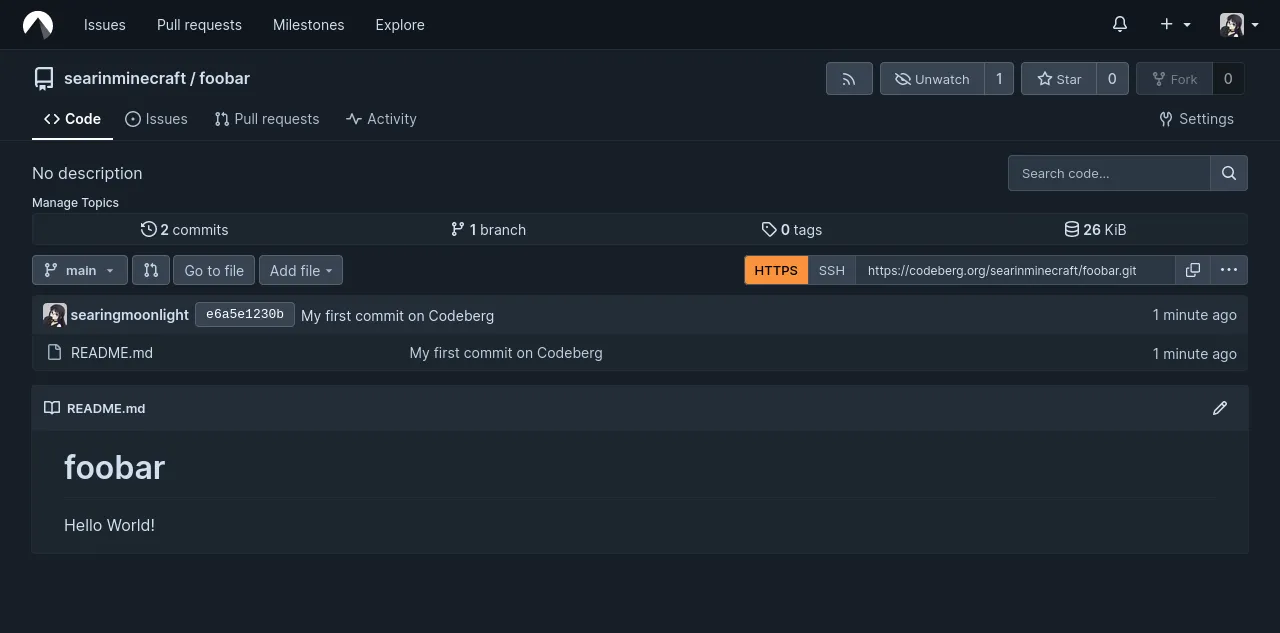
Forgejo is a soft fork of Gitea that was created in after Gitea’s lead maintainer transferred trademark and trademark-adjacent rights to a for-profit company (Gitea Ltd) without prior community consultation. A group of contributors and the team behind Codeberg — the largest free public Forgejo instance — forked the project to keep development under nonprofit, democratic governance. Forgejo now lives at codeberg.org/forgejo/forgejo, is licensed GPL-3.0-or-later, and is stewarded by Codeberg e.V., a German nonprofit association.
The project’s 100th release, Forgejo v15.0, shipped on , with a new web-based registration flow for Forgejo Runner, repo-scoped access tokens, accessibility improvements, and tighter container linking. The previous LTS line, v11.0, is supported with security backports through .
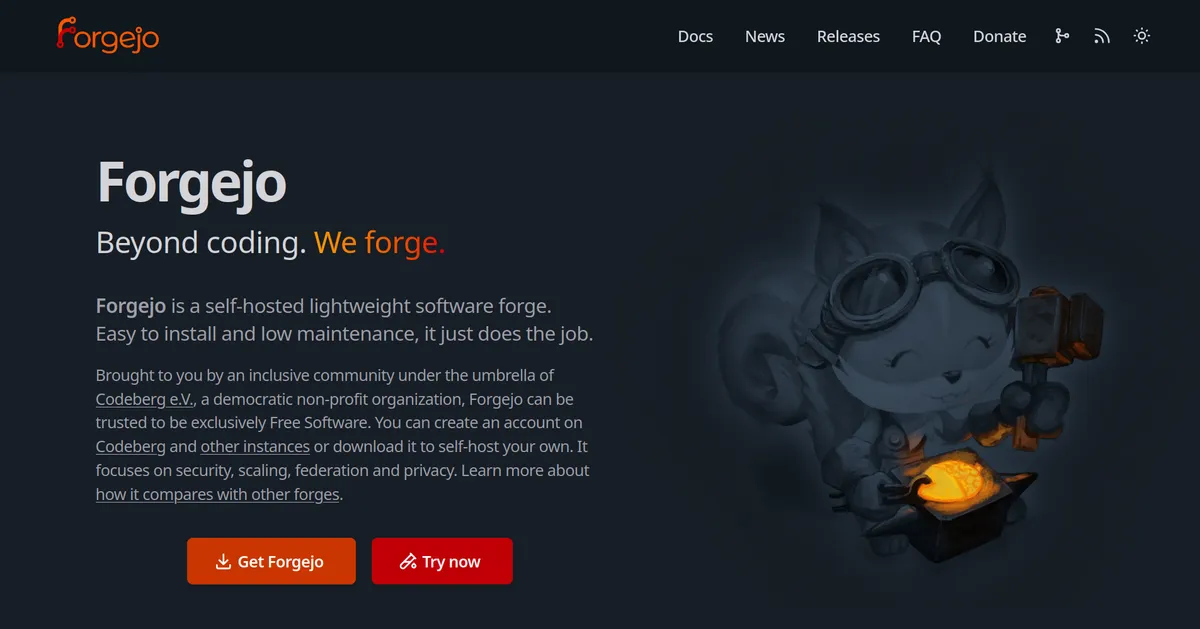
workflow.yml files written for GitHub Actions, supports the same actions/checkout and actions/setup-* ecosystem via mirroring, and shipped to stable a full release cycle ahead of upstream Gitea Actions.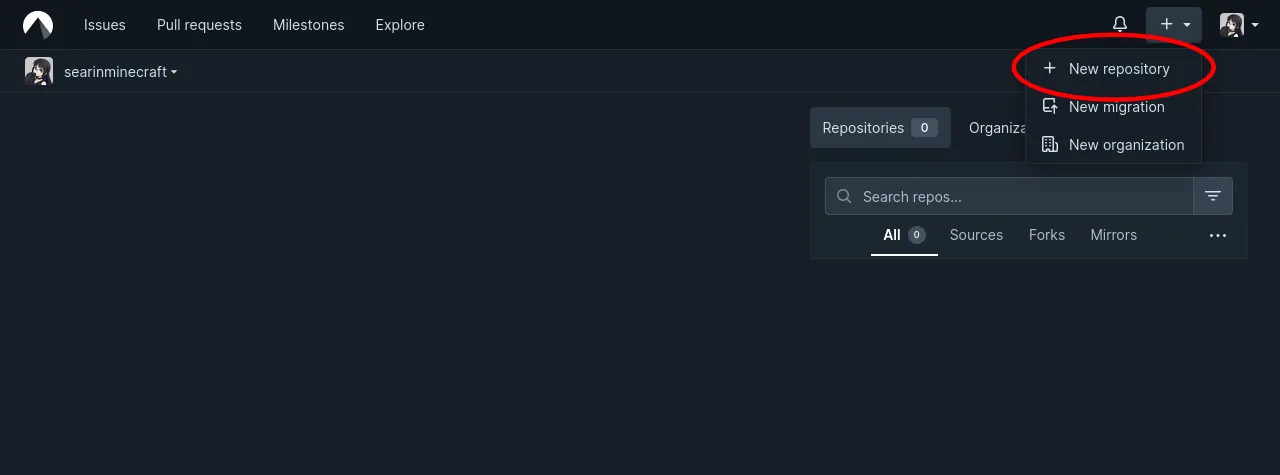
On r/selfhosted the highest-voted threads on self-hosted Git in 2026 routinely land on the same conclusion: pick Forgejo unless you specifically depend on Gitea Enterprise. Users praise the “it just keeps working” upgrade story — in-place upgrades from older Gitea installs are usually painless because the database schema and config are still compatible — and the resource footprint, which makes it the default choice for homelabs running on a Raspberry Pi 4 or a single low-end VPS.
The most common complaints are honest and recurring: the documentation, while improving, still trails GitLab’s in depth; some advanced enterprise features (advanced merge trains, large-org SSO claim mapping, native code-search-as-a-service) are simpler than what GitLab Premium ships; and on Hacker News, several developers have noted that ActivityPub federation, while live, is still rough-around-the-edges for federated PRs across instances. On the praise side, Hacker News threads consistently call out Forgejo’s nonprofit governance, transparent decision-making, and the speed at which security advisories ship — all things GitLab and proprietary Gitea cannot offer in the same form.
Forgejo itself is 100% free and fully open source. There is no commercial “Pro” tier to upsell — every feature is in the GPL-3.0+ binary you download. Your only costs are the server you run it on and (optionally) a donation to Codeberg e.V. via Liberapay.
| Way to run Forgejo | Cost | Notes |
|---|---|---|
| Self-host (Docker, binary, package) | $0 license + your server | Runs on a $4/mo VPS, a Raspberry Pi, or your homelab. SQLite ships in-binary, no extra services needed. |
| Codeberg public instance | Free | Codeberg.org is a free public Forgejo for free / libre and open source projects, run by the Codeberg e.V. nonprofit. |
| Managed Forgejo via third-party | Varies | A handful of MSPs offer managed Forgejo (e.g. as part of broader DevOps hosting). No first-party SaaS. |
Best for: solo developers and homelabbers who want a private GitHub on a Raspberry Pi; FOSS projects that care about license-pure, nonprofit-governed infrastructure; small-to-mid engineering teams (1–200 devs) that need pull requests, CI, and a package registry without a $99/user/year GitLab Premium bill; anyone migrating off Gitea who is uncomfortable with the for-profit governance change.
Not ideal for: large enterprises that need premium features like advanced compliance dashboards, SAML group claim mapping with complex policies, or 24/7 vendor SLA support — that’s still GitLab or GitHub Enterprise territory. Also not ideal if you specifically want managed first-party SaaS with a phone number to call — Forgejo is community-run, not vendor-run.
Pros:
Cons:
Gitea is the upstream Forgejo forked from — almost identical features, but governed by the for-profit Gitea Ltd. and slower to ship federation. GitLab CE is the heavyweight alternative with deeper enterprise features but ~16× the resource footprint. GitHub remains the dominant managed option, but at a per-seat cost and with no self-hosting outside GitHub Enterprise Server. For ultra-minimal needs, Gogs is even lighter than Forgejo but is functionally frozen and far behind on features.
If you want a self-hosted GitHub-like experience in 2026 and you are not contractually locked to Gitea Enterprise or GitLab Premium, Forgejo is the right default choice. The nonprofit governance fixes the single biggest long-term risk in pure-Gitea adoption (a future trademark or licensing change), the resource footprint is the lowest in the category, and the feature set covers 95% of what 95% of teams actually use day to day. We rate it 91/100 — a few points off the perfect 100 because of the still-thin documentation, third-party-only managed hosting, and federation rough edges, but those are fixable issues on a project that is shipping faster than ever.
workflow.yml files and existing actions, with the runner installable as a separate small binary or container. Forgejo Actions hit stable in v15.0’s ecosystem with a new web-based runner registration flow.Developer ToolsType-safe HTML templating language for Go with compile-time safety
 Developer Tools
Open-source API key management and rate limiting platform for modern developers
 Developer Tools
Open-source low-code platform for building internal business applications
 Developer Tools
Git-friendly open-source API client for REST, GraphQL, and gRPC
ServiceNow and Accenture Launch Forward Deployed Engineering Program to Scale Agentic AI in the Enterprise (May 6, 2026)
At Knowledge 2026, ServiceNow and Accenture announced a joint forward deployed engineering program that drops co-located engineer pods into customer environments to ship agentic AI workflows natively on the ServiceNow AI Platform — with access to 300+ pre-built agent skills and the AI Control Tower as the governance backbone.
May 7, 2026
ReFiBuy Raises $13.6M Seed to Help Brands Get Recommended by AI Shopping Agents (May 5, 2026)
ReFiBuy, the Raleigh-based agentic commerce platform from ChannelAdvisor founder Scot Wingo, closed an oversubscribed $13.6M seed led by NewRoad Capital Partners on May 5, 2026 — betting that the next billion-dollar e-commerce moat is being chosen by ChatGPT, Claude and Perplexity.
May 7, 2026
OpenAI Replaces ChatGPT's Default Model With GPT-5.5 Instant — 52.5% Fewer Hallucinations, 30% Shorter Answers (May 5, 2026)
OpenAI on May 5 swapped GPT-5.3 Instant for the new GPT-5.5 Instant as ChatGPT's default model, claiming 52.5% fewer hallucinated claims on high-stakes prompts and 30% more concise answers. The model also rolls into the API as chat-latest and adds personalization from Gmail and past chats for Plus and Pro web users.
May 7, 2026
Is this product worth it?
Built With
Compare with other tools
Open Comparison Tool →