 Hosting & Infrastructure
Pi-hole
Network-wide ad blocker and DNS sinkhole — kills ads on every device on your network without any client software
Dokploy is a free, open-source, self-hosted PaaS that turns any VPS into a Vercel- or Heroku-style deployment platform with Docker Compose, multi-node Swarm, automatic Traefik routing, and one-click templates. We rate it 86/100.
Dokploy is a free, Apache-2.0-licensed, self-hostable Platform as a Service that turns any VPS into a Vercel-, Heroku-, or Netlify-style deployment platform built on Docker, Docker Compose, Docker Swarm, and Traefik. We rate it 86/100 — for solo developers and small teams who want push-to-deploy on a $5 VPS without surrendering ownership to a SaaS, Dokploy is the cleanest, most modern self-hosted PaaS shipping in 2026, and the strongest direct alternative to Coolify.
Dokploy is an open-source PaaS started by Mauricio Siu (@Siumauricio) on . The project crossed its 33,400 GitHub stars, 2,401 forks, and 503 open issues by , with the latest release v0.29.2 shipping the same day. It is hosted at github.com/Dokploy/dokploy under the topics self-hosted, devops, deployment, docker, and vps.
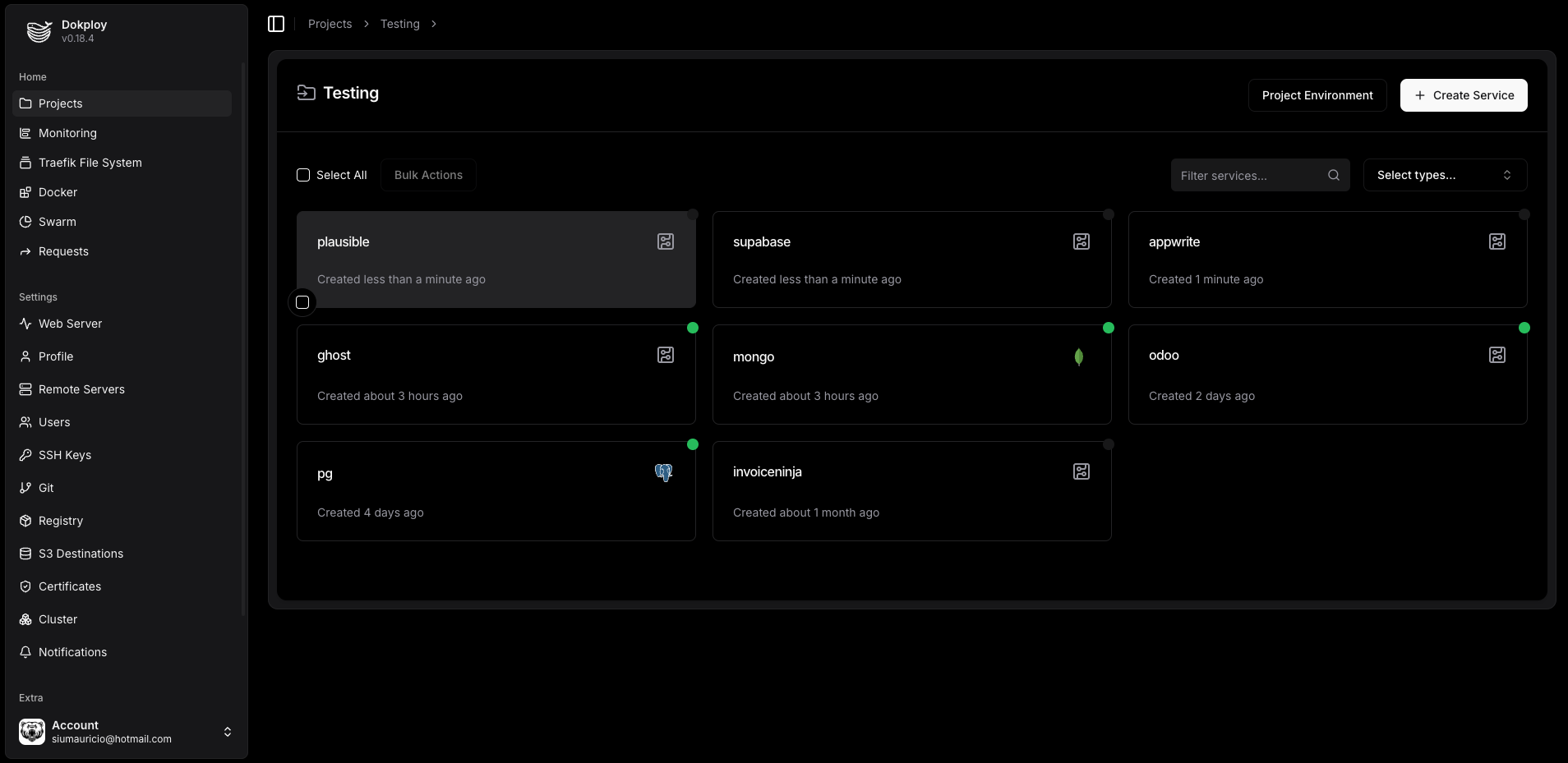
The pitch is simple: instead of paying Vercel, Heroku, or Netlify per seat and per build minute, you run a single install command on a VPS and get a polished web dashboard that wraps Docker, Docker Compose, Docker Swarm, and Traefik into a sane, opinionated workflow. Push a Git repo, point a domain, and Dokploy builds the image, hands it to Traefik, provisions a Let's Encrypt certificate, and starts streaming logs. The same dashboard also provisions managed MySQL, PostgreSQL, MongoDB, MariaDB, libSQL, and Redis databases, schedules backups to S3-compatible storage, and lets you scale across multiple servers with Swarm — all without writing a single Kubernetes manifest.
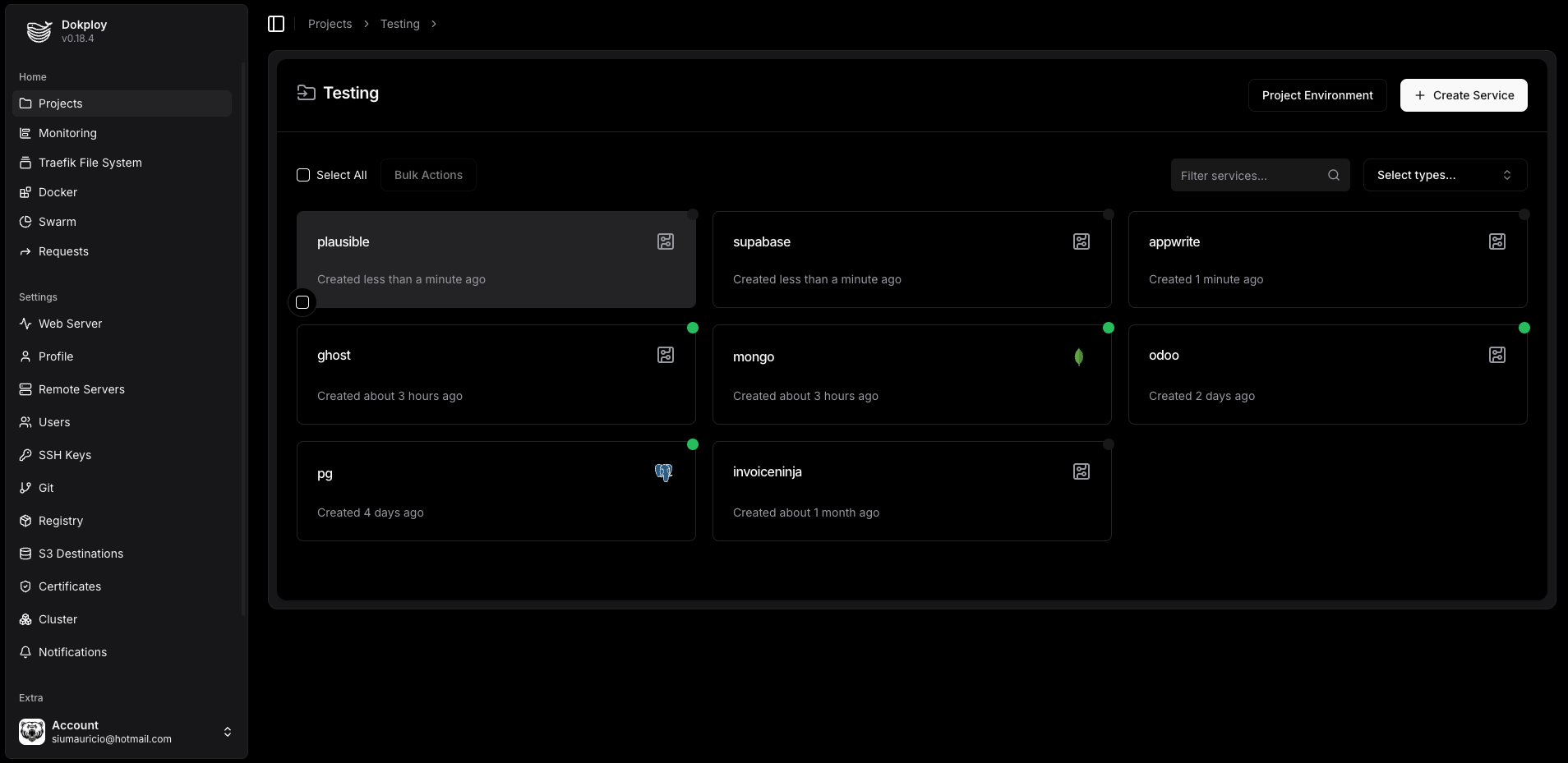
docker-compose.yml from a repo or paste it into the UI and Dokploy treats it as a first-class deployable unit, not a half-supported afterthought. Coolify users repeatedly cite this as Dokploy's single biggest advantage.docker swarm init.pg_dump/mysqldump backups to any S3-compatible bucket (Cloudflare R2, Backblaze B2, Wasabi, MinIO, AWS S3).pr-123.yourdomain.com, then tears it down on merge — the same flow as Vercel, on your own server.
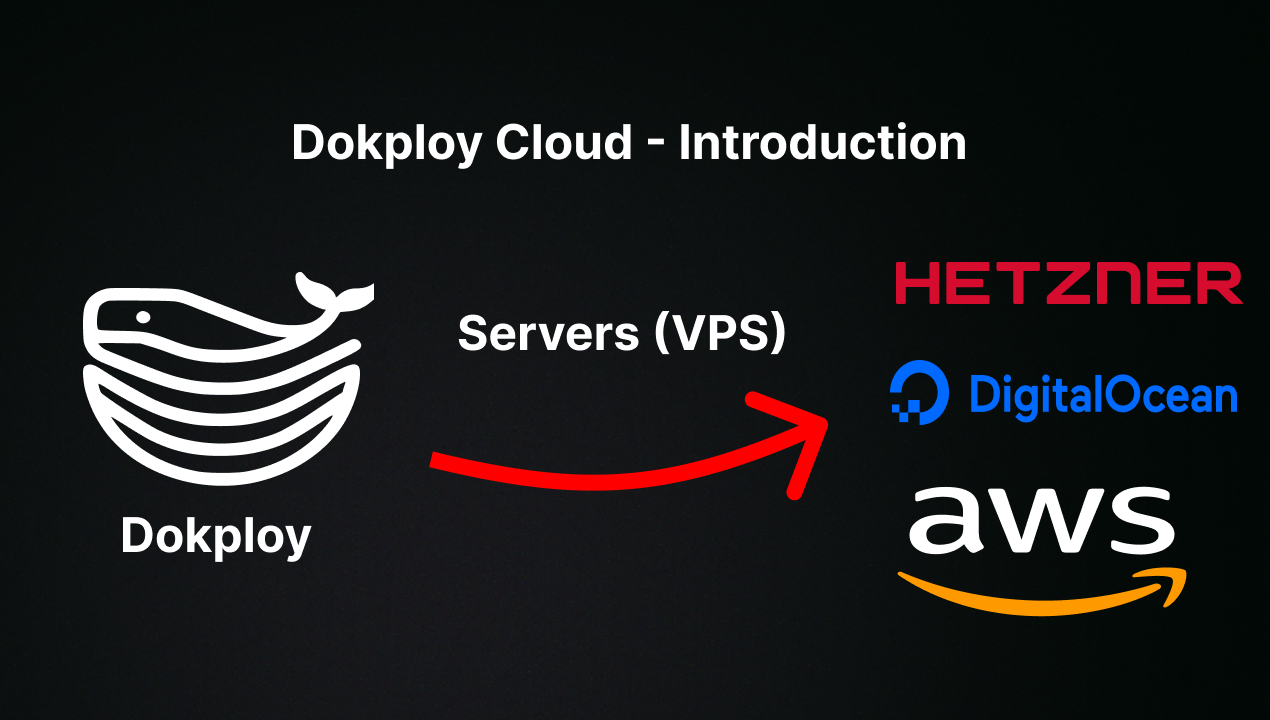
curl -sSL https://dokploy.com/install.sh | bash) provisions Traefik, the Dokploy dashboard, and a Postgres metadata store on any fresh Ubuntu VPS in under five minutes.Sentiment in the self-hosting community is markedly positive — and the comparison reviewers reach for is almost always Coolify. Multiple r/selfhosted threads in 2026 describe Dokploy's UI as "cleaner and more intuitive" than Coolify's, with comments like "Dokploy's UI is more streamlined, focusing on the core workflow of creating a project, adding a service, and deploying." One user on Hetzner reported running Dokploy in production for two months after migrating off DigitalOcean App Platform without major issues. Independent comparison guides at Contabo, Server Compass, and MassiveGRID all conclude that Dokploy is the better fit when native Docker Compose support and multi-node Swarm clustering matter more than Coolify's broader plugin ecosystem.
Recurring complaints: (1) Traefik lock-in — swapping in Caddy, NGINX Proxy Manager, or any other reverse proxy is officially unsupported and several GitHub issues report broken routes after networking changes; (2) occasional template-load failures and "small interface translations" still rough on launch; (3) the Docker network model can be brittle — one user reported that adding a Web Application Firewall by manually creating, removing, and renaming Compose networks broke the entire project and forced a rebuild; (4) the Postgres metadata store can fall into recovery mode on out-of-disk events, taking the dashboard offline. Issue triage by maintainer Mauricio Siu is unusually fast — the v0.29.2 changelog from alone closed 14 PRs including security fixes for cross-org IDORs and authorization checks on scheduled jobs.
Dokploy's source code is free and Apache-2.0 licensed, with no per-subscriber, per-build, or per-deploy fee. The maintainer also runs a managed Dokploy Cloud at app.dokploy.com for teams that want SOC-style RBAC, SSO/SAML, and audit logs without running the control plane themselves.
| Plan | Price | Key Limits |
|---|---|---|
| Self-hosted (Apache 2.0) | $0 | Unlimited apps, databases, deployments, and connected servers. You pay only for the VPS plus your own SMTP / S3 / domain bills. |
| Cloud Hobby | From $4.50 / server / month | One server, unlimited apps and databases per server, basic 2FA, community Discord support. |
| Cloud Startup | From $15 / month | 3 servers and 3 organizations included, additional servers $4.50/mo each, RBAC, scheduled jobs, volume and database backups, unlimited team members. |
| Cloud Enterprise | Contact sales | Unlimited servers and orgs, fine-grained RBAC, SSO/SAML, audit logs, MSA/SLA, white-labeling, priority support. |
Annual billing on the Cloud plans saves 20%. A typical real-world bill: a 2 GB Hetzner CX21 VPS ($6.49/mo) plus self-hosted Dokploy comfortably runs three production Node.js apps, a Postgres database, and a Redis cache — total cost under $7 a month versus roughly $80–$150 a month for the equivalent on Vercel Pro plus a managed database.
Best for: Solo developers, indie hackers, agencies, and small product teams who already understand Docker, want push-to-deploy ergonomics on their own infrastructure, and need to run multiple apps plus a database on the same VPS without standing up Kubernetes. It is also a strong fit for compliance-driven teams that need data residency in a specific region — you pick the VPS provider, the country, and the disk encryption.
Not ideal for: Non-technical founders who have never SSH'd into a server (start with Vercel or Render); enterprise teams that already run Kubernetes (use Argo CD or Flux); or anyone whose workload depends on a non-Docker runtime such as bare-metal GPUs with custom kernels, or proprietary databases like Oracle DB and SQL Server.
Pros:
docker stack deploy.Cons:
Coolify is the closest peer — broader plugin ecosystem, much larger community, and a slightly more cluttered UI. CapRover is older and more battle-tested but feels dated next to either. Hosted alternatives include Fly.io for global edge containers and Modal for AI- and serverless-first workloads. For Kubernetes-native teams, Argo CD or Flux remain the right answer; Dokploy is explicitly not trying to be Kubernetes.
Yes, for the right team. Dokploy is the cleanest self-hosted PaaS shipping in 2026, with an unusually polished UI, the best Docker Compose support of any tool in its class, and pricing that makes Vercel-style ergonomics affordable on a $5 VPS. The two-year-old codebase and Traefik lock-in are the only meaningful caveats — neither is a deal-breaker for the indie hackers and small teams it is built for, but enterprise platform teams already running Kubernetes should keep using Argo CD. Our final score: 86/100.
ServiceNow and Accenture Launch Forward Deployed Engineering Program to Scale Agentic AI in the Enterprise (May 6, 2026)
At Knowledge 2026, ServiceNow and Accenture announced a joint forward deployed engineering program that drops co-located engineer pods into customer environments to ship agentic AI workflows natively on the ServiceNow AI Platform — with access to 300+ pre-built agent skills and the AI Control Tower as the governance backbone.
May 7, 2026
ReFiBuy Raises $13.6M Seed to Help Brands Get Recommended by AI Shopping Agents (May 5, 2026)
ReFiBuy, the Raleigh-based agentic commerce platform from ChannelAdvisor founder Scot Wingo, closed an oversubscribed $13.6M seed led by NewRoad Capital Partners on May 5, 2026 — betting that the next billion-dollar e-commerce moat is being chosen by ChatGPT, Claude and Perplexity.
May 7, 2026
OpenAI Replaces ChatGPT's Default Model With GPT-5.5 Instant — 52.5% Fewer Hallucinations, 30% Shorter Answers (May 5, 2026)
OpenAI on May 5 swapped GPT-5.3 Instant for the new GPT-5.5 Instant as ChatGPT's default model, claiming 52.5% fewer hallucinated claims on high-stakes prompts and 30% more concise answers. The model also rolls into the API as chat-latest and adds personalization from Gmail and past chats for Plus and Pro web users.
May 7, 2026
Is this product worth it?
Built With
Compare with other tools
Open Comparison Tool →