 Developer Tools
Templ
Type-safe HTML templating language for Go with compile-time safety
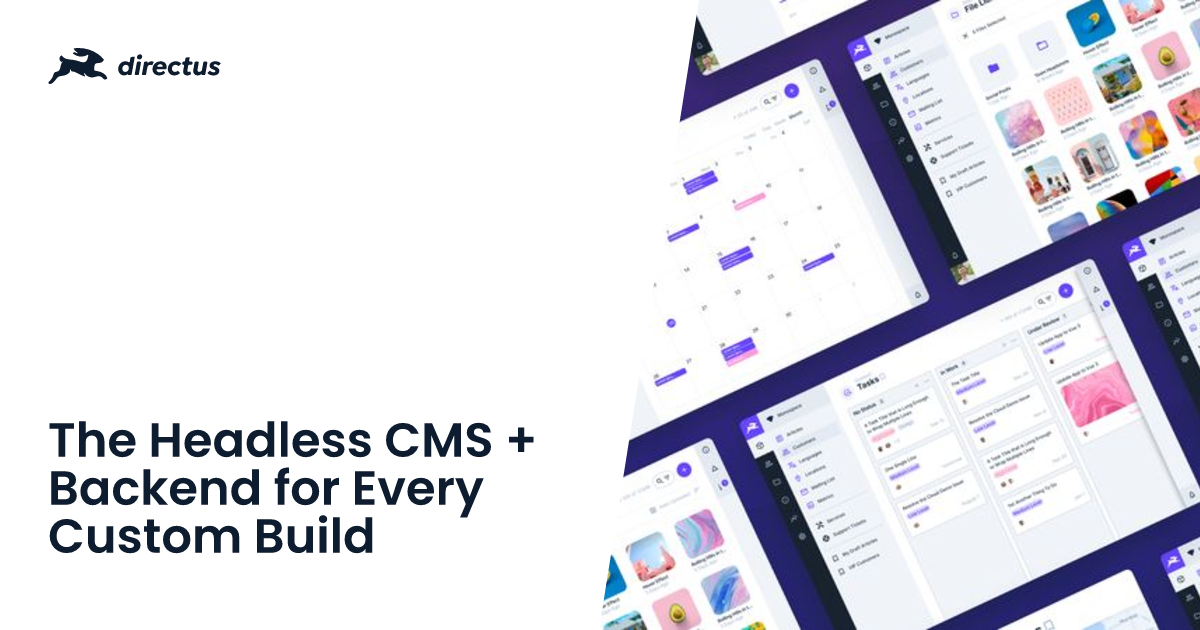
Directus is the open-source headless CMS and instant backend that turns any SQL database into a REST + GraphQL API and a no-code admin Studio. Free to self-host for orgs under $5M revenue.
Directus is the database-first headless CMS and instant backend that turns any SQL database into a REST + GraphQL API and a clean no-code Studio for your editors. We rate it 89/100 — the right pick for product teams that want a single tool for content modeling, admin UI and APIs on top of an existing Postgres or MySQL schema, and the wrong pick only if you need a fully managed SaaS with zero ops or a tightly opinionated marketing CMS.
Directus was started in 2004 as an internal tool at the New York agency RANGER Studio and rewritten as an open-source product over the following decade by founder Ben Haynes. The modern Node.js + Vue rewrite landed in 2020, and the GitHub repo at directus/directus — created on — now sits at 34,921 stars and 4,729 forks. The current stable release is v11.17.3, published on .
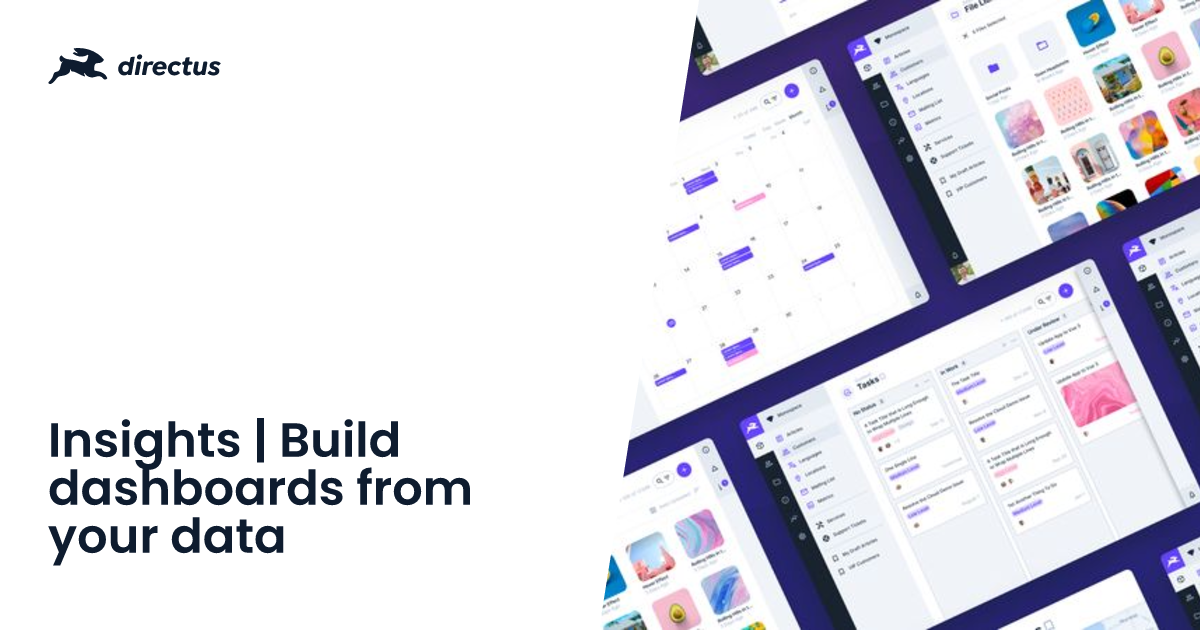
The pitch is unusually concrete: point Directus at any existing Postgres, MySQL, MariaDB, SQLite, MS-SQL, OracleDB or CockroachDB schema and it instantly generates a typed REST API, a GraphQL endpoint, a role-based admin app (the "Data Studio"), a files module, a flows automation engine and a real-time WebSocket layer — without a single migration. Other headless CMSes (Strapi, Payload, Sanity, Contentful) ask you to remodel your data inside their abstractions; Directus assumes your database is the source of truth and stays out of the way.

$CURRENT_USER filters.
Sentiment across r/headlesscms, r/nextjs and r/webdev in 2025 and 2026 is broadly positive, with Directus consistently named alongside Strapi and Payload as the "serious" open-source picks. Across G2, Capterra and SourceForge it sits at roughly 89% user satisfaction over 100+ reviews, with reviewers praising the clean admin UI, the "your DB is the source of truth" philosophy and the breadth of built-in field interfaces. The most common complaint — echoed in multiple Reddit threads and on Hacker News — is that initial setup is heavier than Strapi if you have not designed a SQL schema before, and that the documentation, while extensive, is fragmented across the marketing site and the docs site. The 2023 BSL license change — which gates production use behind a paid commercial license once an organization crosses $5,000,000 in annual revenue or funding — was contentious on launch but has largely been accepted; smaller teams use Directus exactly as before with no cost.
Directus is free to self-host indefinitely for any organization under $5M in combined annual revenue and funding. Above that threshold, a commercial license is required for production. Managed Directus Cloud has the following published tiers:
| Plan | Price | Key Limits |
|---|---|---|
| Self-Hosted (Community) | $0 | Unlimited use under the BSL additional-use grant for orgs under $5M revenue/funding |
| Cloud Professional | $99/month (billed annually) | 5 Studio users included, +$15/user, 75,000 DB entries, 250,000 API requests/month, basic support |
| Cloud Enterprise | Custom | Unlimited users, custom database/API limits, premium support, advanced configurability and SLA |
A premium support add-on for self-hosted users is available at +$300/month.
Best for: Product engineering teams and agencies building custom web or mobile apps on top of an existing SQL database, content-heavy sites that need a multi-role editorial workflow, and any team that wants to ship a typed API plus an admin UI in days instead of weeks. Particularly strong for editorial sites, marketplaces, IoT dashboards and any internal tooling on relational data.
Not ideal for: Solo bloggers who would be better served by Ghost or WordPress, marketing teams that want a fully managed SaaS with zero infrastructure, or organizations over $5M revenue that are not prepared to either pay for a commercial license or lock in to Directus Cloud.
Pros:
Cons:
The closest competitors are Strapi — a Node.js headless CMS that is more opinionated and easier for developers new to SQL but less flexible on existing schemas; Payload — a TypeScript-first code-defined CMS that excels for engineering teams that want everything in their repo; and Sanity — a managed structured content platform with the best real-time collaboration but proprietary storage. We have full reviews of Strapi and Payload that go deeper on each.
For any team building a custom application on top of a SQL database in 2026, Directus is one of the strongest options on the market. The combination of instant APIs, a usable Data Studio, monthly releases and a license that is free for the vast majority of users is hard to beat. We rate it 89/100: it would score higher with cleaner docs and a cheaper Cloud entry tier, but as a self-hosted backend-plus-CMS it is the default recommendation we give engineering teams who already own their database and want to stop building admin panels by hand.
ServiceNow and Accenture Launch Forward Deployed Engineering Program to Scale Agentic AI in the Enterprise (May 6, 2026)
At Knowledge 2026, ServiceNow and Accenture announced a joint forward deployed engineering program that drops co-located engineer pods into customer environments to ship agentic AI workflows natively on the ServiceNow AI Platform — with access to 300+ pre-built agent skills and the AI Control Tower as the governance backbone.
May 7, 2026
ReFiBuy Raises $13.6M Seed to Help Brands Get Recommended by AI Shopping Agents (May 5, 2026)
ReFiBuy, the Raleigh-based agentic commerce platform from ChannelAdvisor founder Scot Wingo, closed an oversubscribed $13.6M seed led by NewRoad Capital Partners on May 5, 2026 — betting that the next billion-dollar e-commerce moat is being chosen by ChatGPT, Claude and Perplexity.
May 7, 2026
OpenAI Replaces ChatGPT's Default Model With GPT-5.5 Instant — 52.5% Fewer Hallucinations, 30% Shorter Answers (May 5, 2026)
OpenAI on May 5 swapped GPT-5.3 Instant for the new GPT-5.5 Instant as ChatGPT's default model, claiming 52.5% fewer hallucinated claims on high-stakes prompts and 30% more concise answers. The model also rolls into the API as chat-latest and adds personalization from Gmail and past chats for Plus and Pro web users.
May 7, 2026
Is this product worth it?
Built With
Compare with other tools
Open Comparison Tool →