 Marketing
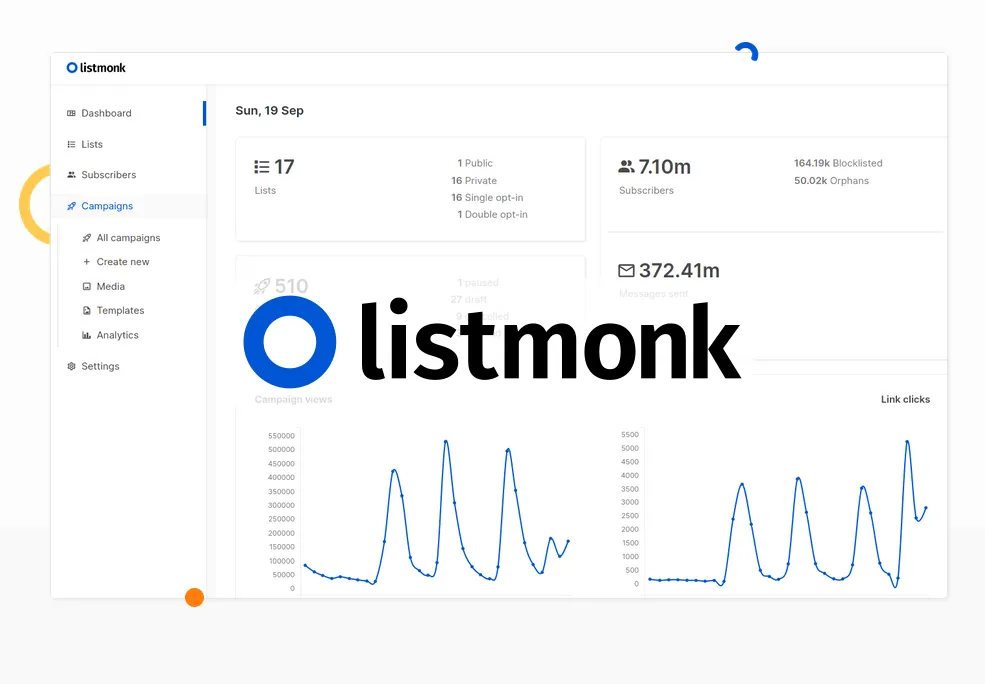
Listmonk
High-performance, self-hosted newsletter and mailing list manager packed into a single Go binary
Buttondown is the writer-respecting newsletter platform — a 0% revenue-cut, Markdown-first email tool with a full REST API and a $9/month entry plan, ideal for creators who already have an audience.
Buttondown is an indie, writer-first newsletter platform that takes 0% of your subscription revenue, starts free for the first 100 subscribers, and is run by a founder-led team of about a dozen people in 2026. We rate it 83/100 — the right pick for writers who already have an audience and just want a fast, no-nonsense email tool, and the wrong pick if you need beehiiv-style growth tools to find readers.
Buttondown was launched by Justin Duke in 2016 as a side project after he got tired of the bugs and dead-end limits of TinyLetter while leading engineering teams at Stripe. He ran it on nights and weekends for roughly five years before going full-time as founder and CEO once revenue covered his salary. Today it's an independent, profitable, bootstrapped SaaS — no VC, no "writer fund" — used by writers, indie makers, software teams, and well-known publications like Hacker Newsletter to deliver email to readers.
Buttondown's distinguishing pitch: every other newsletter platform either skims a percentage off your paid subscriptions (Substack takes 10%, ConvertKit Creator Pro charges per subscriber forever), or bolts on growth gimmicks you don't want (beehiiv ad networks, recommendation walls). Buttondown takes none of your revenue, charges a flat monthly fee that scales with list size, and stays out of your inbox relationship with readers.
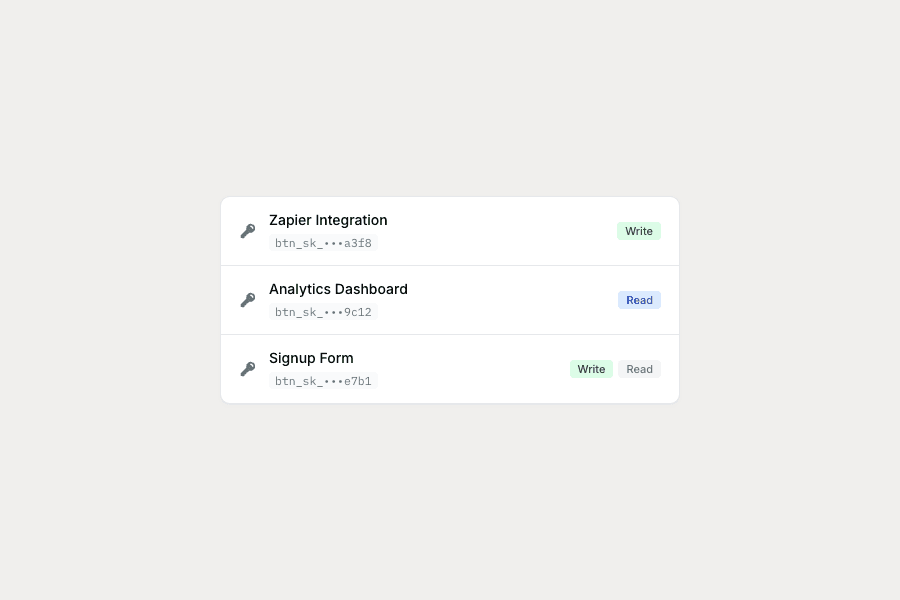
buttondown push / pull) for treating your newsletter like a Git repo of Markdown files.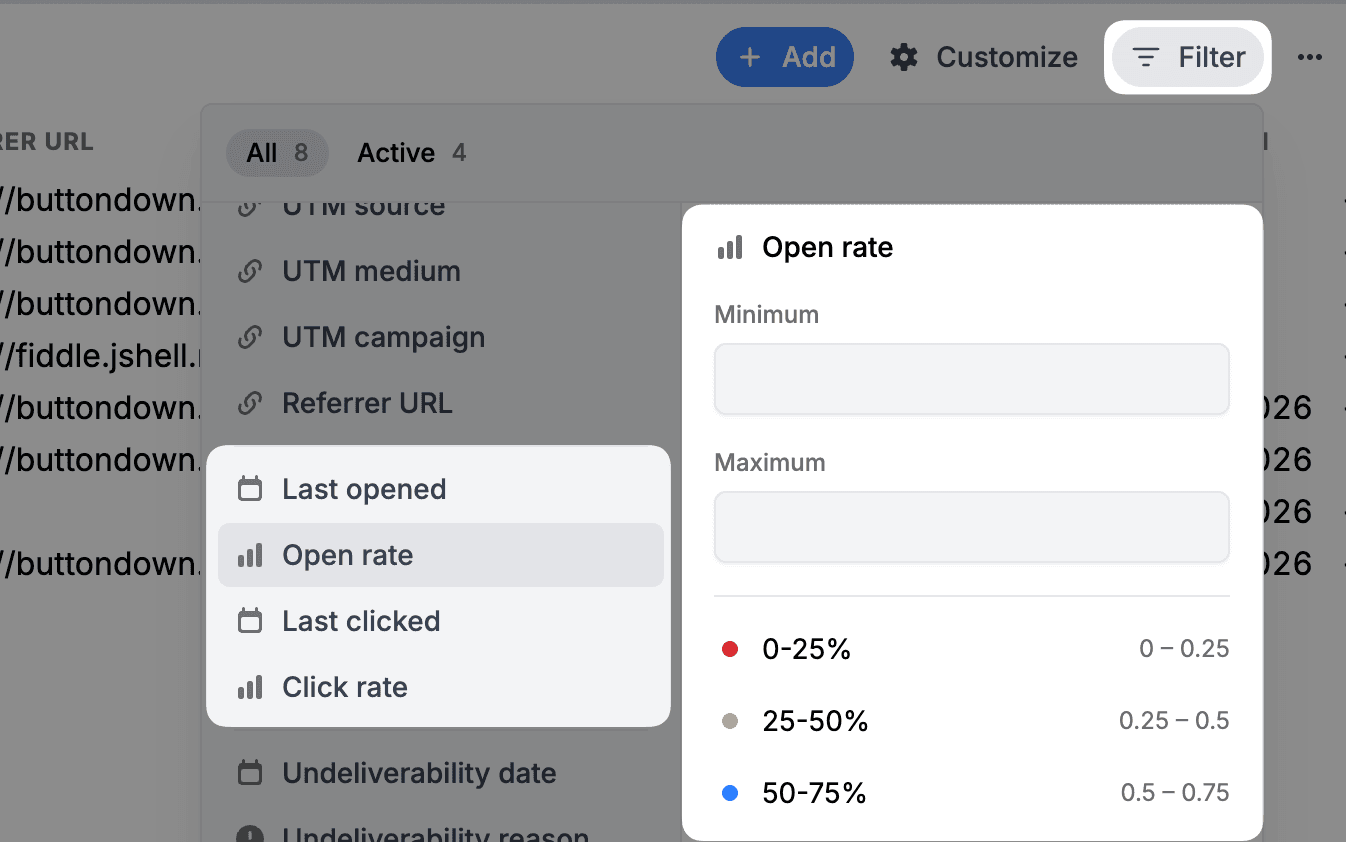
Sentiment is consistently positive among writers who care about ownership and simplicity, and lukewarm among growth-focused operators. Richard MacManus, founder of ReadWriteWeb, publicly migrated from Substack to Buttondown in 2024, citing the absence of an algorithmic feed, no "recommend other newsletters" pop-ups, and predictable pricing. On Hacker News, threads about indie newsletter tools repeatedly surface Buttondown as the writer-friendly alternative to Substack, with founder Justin Duke replying to most critical comments personally — a level of founder presence other platforms have given up on.
The recurring complaint is the missing growth toolkit. Reddit threads in r/Substack and r/newsletters in early 2026 note that Buttondown lacks a beehiiv-style recommendation network, ad marketplace, and built-in referral leaderboard. If you don't already have an audience, Buttondown gives you no help finding one. A second smaller complaint: support is great but slim — there's no 24/7 chat, just async email handled by a team of about a dozen people — so if you hit a problem during a launch weekend, you may wait until Monday.
Buttondown charges a flat monthly fee tied to subscriber count, with no separate cut on paid subscriptions. The full live schedule is at buttondown.com/pricing:
| Plan | Price | Subscriber limit | Notes |
|---|---|---|---|
| Free | $0/month | Up to 100 | Full features, Buttondown branding in footer |
| Basic | $9/month | Up to 1,000 | Custom domain, no Buttondown branding |
| Standard | $29/month | Up to 5,000 | Automations, premium support |
| Professional | $79/month | Up to 10,000 | API priority, multi-newsletter, team seats |
Annual billing knocks roughly 17% off. Above 10,000 subscribers, pricing scales linearly — about $0.008 per subscriber per month — which is materially cheaper than ConvertKit at the same tier.
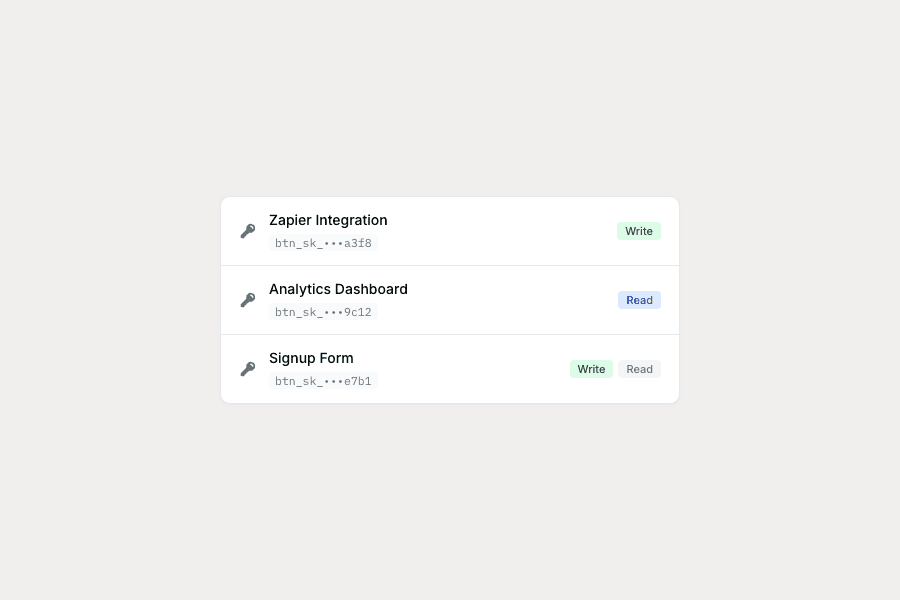
Best for: Independent writers, software developers running technical newsletters, indie SaaS founders shipping product updates, and small editorial teams who already have an audience and want clean, scriptable email without a revenue cut. The Markdown editor and CLI alone make it the obvious pick for engineers.
Not ideal for: Creators starting from zero who need network effects to grow (use beehiiv or Substack), high-volume e-commerce operators who need Klaviyo-style behavioral segmentation, or anyone who insists on a true open-source, self-hostable backend (try Listmonk instead).
Pros:
Cons:
beehiiv wins for creators chasing growth — it ships an ad network, referral program, and recommendations engine Buttondown deliberately avoids. Listmonk wins for self-hosters who want full ownership of the database and zero monthly fee. Substack wins for writers who want Substack's discovery network and don't mind handing over 10% of paid revenue plus the relationship with their readers.
Buttondown is the most writer-respecting newsletter platform on the market in 2026. If you already have readers, want them to stay yours, and want a tool that reads like a developer wrote it for themselves — it almost certainly is worth the $9 to $79 a month. If you're starting from zero with no list and no distribution, you'll be happier somewhere with built-in network effects and accept that 83/100 rating reflects deliberate product choices, not gaps the team failed to fill.
buttondown CLI) for managing drafts and content as Markdown files locally.ServiceNow and Accenture Launch Forward Deployed Engineering Program to Scale Agentic AI in the Enterprise (May 6, 2026)
At Knowledge 2026, ServiceNow and Accenture announced a joint forward deployed engineering program that drops co-located engineer pods into customer environments to ship agentic AI workflows natively on the ServiceNow AI Platform — with access to 300+ pre-built agent skills and the AI Control Tower as the governance backbone.
May 7, 2026
ReFiBuy Raises $13.6M Seed to Help Brands Get Recommended by AI Shopping Agents (May 5, 2026)
ReFiBuy, the Raleigh-based agentic commerce platform from ChannelAdvisor founder Scot Wingo, closed an oversubscribed $13.6M seed led by NewRoad Capital Partners on May 5, 2026 — betting that the next billion-dollar e-commerce moat is being chosen by ChatGPT, Claude and Perplexity.
May 7, 2026
OpenAI Replaces ChatGPT's Default Model With GPT-5.5 Instant — 52.5% Fewer Hallucinations, 30% Shorter Answers (May 5, 2026)
OpenAI on May 5 swapped GPT-5.3 Instant for the new GPT-5.5 Instant as ChatGPT's default model, claiming 52.5% fewer hallucinated claims on high-stakes prompts and 30% more concise answers. The model also rolls into the API as chat-latest and adds personalization from Gmail and past chats for Plus and Pro web users.
May 7, 2026
Is this product worth it?
Built With
Compare with other tools
Open Comparison Tool →