

 Productivity
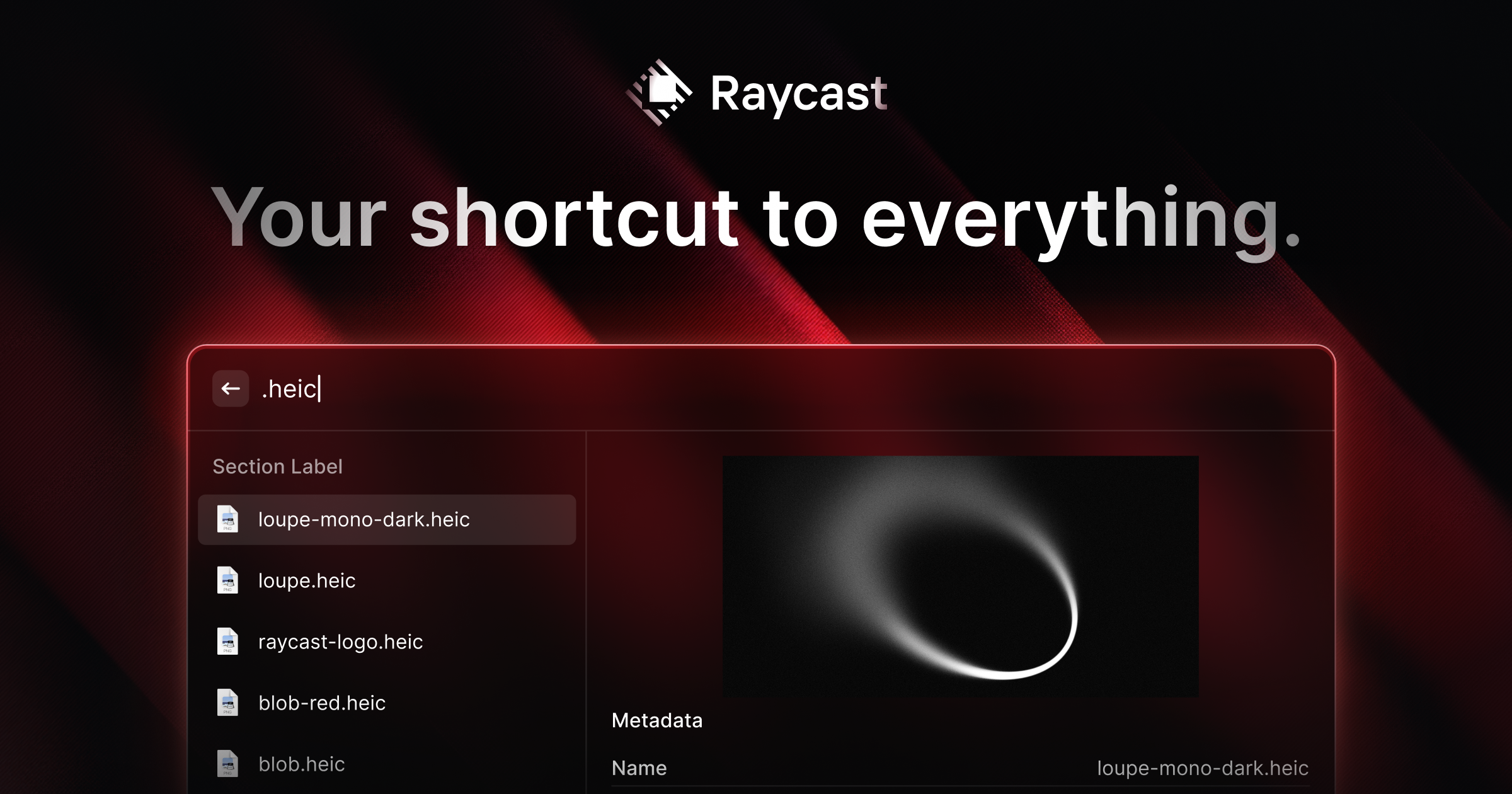
Raycast
Powerful macOS launcher and productivity platform — 7.3K GitHub stars for extensions
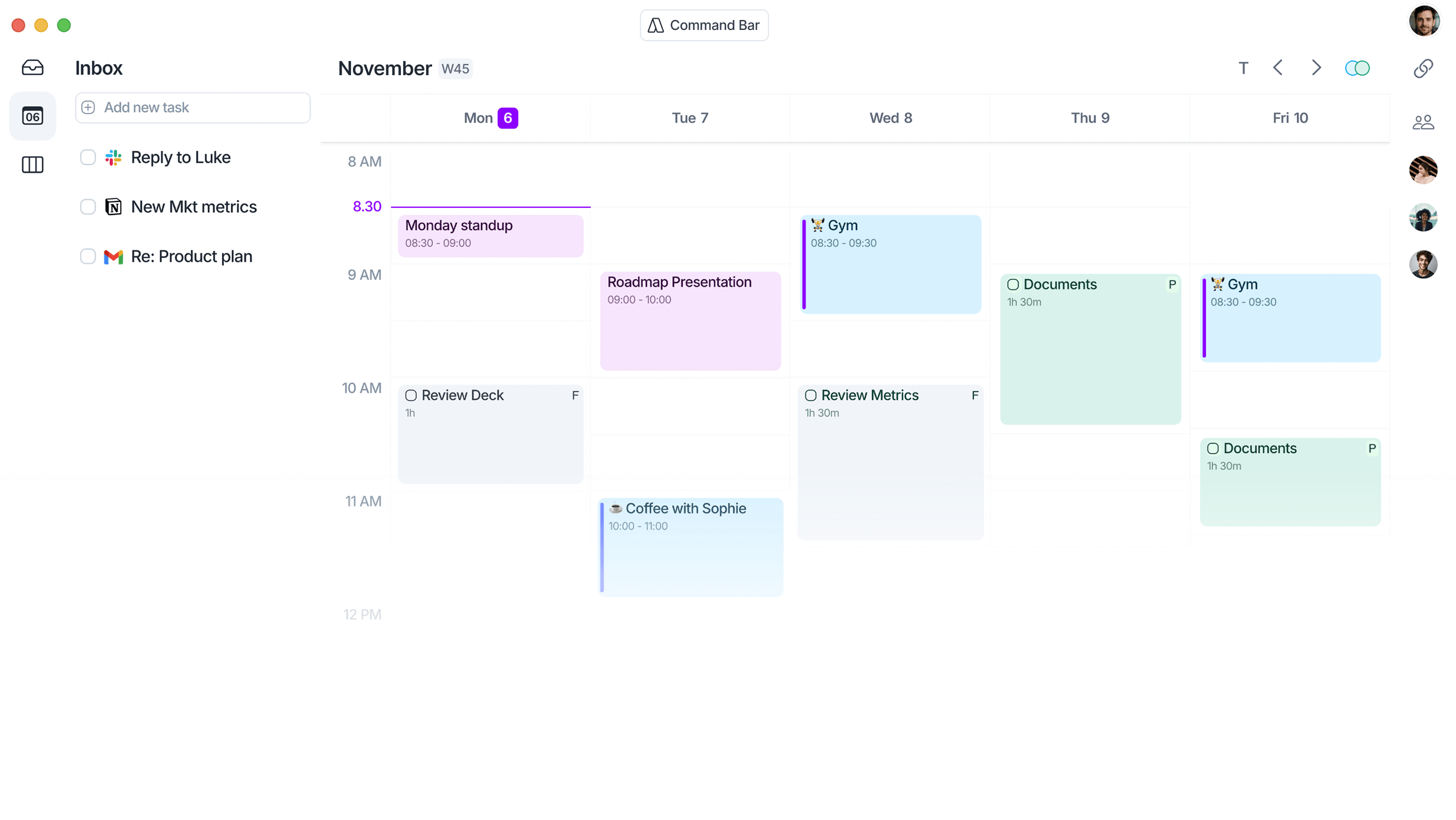
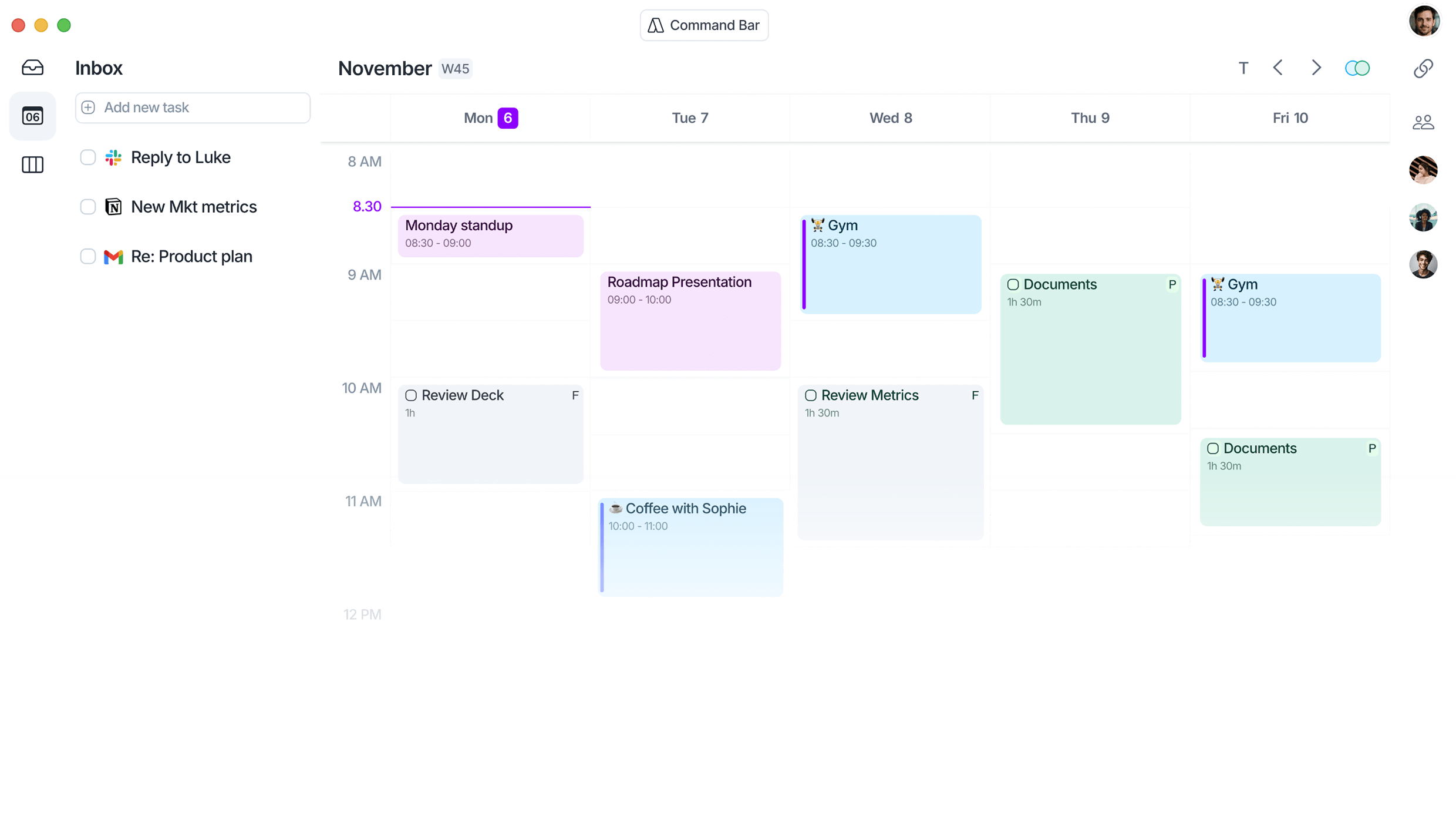
Akiflow is a paid daily planner that pulls Gmail, Slack, Notion, Asana, ClickUp and 30+ other tools into one inbox and lets you time-block them into your calendar with keyboard shortcuts. It is fast and well-built, but at $19/month yearly it is one of the more expensive picks in the time-blocking category.
Akiflow is a paid, keyboard-first daily planner that consolidates tasks from Gmail, Slack, Notion, Asana, ClickUp, Trello, Jira, Todoist and 30+ other tools into one inbox, then lets you drag each item onto a time-blocked calendar in seconds. We rate it 82/100 — an excellent pick for founders, consultants and managers who already plan their day in time blocks and want to do it faster, but a tough sell for casual users at $19/month on the yearly plan.
Akiflow is a cross-platform time-blocking app built by an Italian team led by co-founders Sebastiano and Nicola, who took the company through Y Combinator’s S20 batch — the first-ever fully remote class. The desktop client first shipped in as a keyboard-driven launcher for tasks; today it has grown into a full daily planner with native apps on macOS, Windows, Linux, iOS and Android, plus a web client. Akiflow has raised $1.8M in seed funding led by Benson Oak Ventures with participation from Y Combinator and angels.
The pitch is concrete: stop bouncing between Gmail, Slack, Notion and your calendar. Akiflow listens for new tasks across all of them, drops them into a single inbox, and lets you time-block any of them onto Google or Outlook calendar with one keystroke — Cmd/Ctrl+K opens a launcher that does almost everything in the app without touching the mouse.

Sentiment is strongly positive among professional users and noticeably mixed among casual ones. Akiflow holds a 4.7/5 average on G2 across hundreds of reviews and 4.7/5 on Capterra. The Akiflow Launch HN thread from 2022 is full of YC alumni and founders who described it as the first time-blocker that “survived contact with their calendar” — the recurring praise on Hacker News and r/productivity is the keyboard launcher and the breadth of native integrations rather than Zapier-only triggers.
The recurring complaints are real and consistent. Price comes up first: at $19/month annually it is roughly double Todoist Pro and noticeably above Sunsama’s $20/month, with no free tier to soften the landing — just a 7-day trial. The Android app lags the iOS one on parity (a Reddit thread from early 2026 complains that widgets still feel like a port). And the absence of true team features — shared workloads, assignees, capacity planning — pushes larger teams to Motion or ClickUp instead. Akiflow is unapologetically a single-player productivity tool with light sharing on top.
Akiflow has no free tier. Every paid path runs through the same Pro plan with a 7-day free trial up front and a 30-day money-back guarantee on direct purchases.
| Plan | Price | Key Limits |
|---|---|---|
| Pro Monthly | $34/month | Unlimited integrations, unlimited tasks, unlimited meetings, all power features, Aki AI assistant included |
| Pro Yearly | $19/month ($228/year) | Everything in Pro Monthly, plus a 1:1 onboarding call. Saves 44% versus monthly. |
| Free Trial | $0 for 7 days | Full Pro access. No credit card required to start. Cancel anytime. |
Verified students can apply for a discount of around 50% off Pro through the Akiflow education program.

Best for: Founders, operators, freelance consultants, technical PMs and senior individual contributors who already practice time-blocking, juggle four or more task sources (email, Slack, Notion, ticketing) and want every action to live behind a keyboard shortcut. If you spend more than 90 minutes a day in a calendar app, the price pays back quickly.
Not ideal for: Anyone whose entire workflow already lives inside one tool (Notion-only or Todoist-only users get little extra), teams that need shared workloads or assignee logic, mouse-first users who do not want to learn a command palette, and budget-conscious users who can get most of the value from Sunsama at $20/month or from a Notion Calendar plus a single tasks app for free.
Pros:
Cons:
Sunsama ($20/month): A more meditative, ritual-driven planner with a similar inbox-to-calendar flow, but a slower keyboard story and a read-only mobile app. Better if you want guided planning rather than raw speed.
Motion ($19+/month): AI-first auto-scheduler that places every task on your calendar for you. More automated than Akiflow but harder to overrule when you disagree with its plan.
Notion Calendar (free) + Todoist ($4/month): A budget bundle that covers calendar viewing and task capture for under $5 total, but you lose the universal inbox, the unified shortcut layer and the AI assistant.
For the right user, yes. Akiflow is the most polished and integration-rich keyboard-first daily planner on the market in 2026, and it consistently saves 30–90 minutes a day for professionals who actually time-block. We rate it 82/100 because the core product is excellent but the price gates out anyone who is not already committed to the methodology. If you are a founder, consultant or senior IC and you read about time-blocking and thought “that’s me,” start the 7-day trial. If you are calendar-curious or your tasks already live inside Notion, save your money and try Notion Calendar first.
ServiceNow and Accenture Launch Forward Deployed Engineering Program to Scale Agentic AI in the Enterprise (May 6, 2026)
At Knowledge 2026, ServiceNow and Accenture announced a joint forward deployed engineering program that drops co-located engineer pods into customer environments to ship agentic AI workflows natively on the ServiceNow AI Platform — with access to 300+ pre-built agent skills and the AI Control Tower as the governance backbone.
May 7, 2026
ReFiBuy Raises $13.6M Seed to Help Brands Get Recommended by AI Shopping Agents (May 5, 2026)
ReFiBuy, the Raleigh-based agentic commerce platform from ChannelAdvisor founder Scot Wingo, closed an oversubscribed $13.6M seed led by NewRoad Capital Partners on May 5, 2026 — betting that the next billion-dollar e-commerce moat is being chosen by ChatGPT, Claude and Perplexity.
May 7, 2026
OpenAI Replaces ChatGPT's Default Model With GPT-5.5 Instant — 52.5% Fewer Hallucinations, 30% Shorter Answers (May 5, 2026)
OpenAI on May 5 swapped GPT-5.3 Instant for the new GPT-5.5 Instant as ChatGPT's default model, claiming 52.5% fewer hallucinated claims on high-stakes prompts and 30% more concise answers. The model also rolls into the API as chat-latest and adds personalization from Gmail and past chats for Plus and Pro web users.
May 7, 2026
Is this product worth it?
Built With
Compare with other tools